Overview
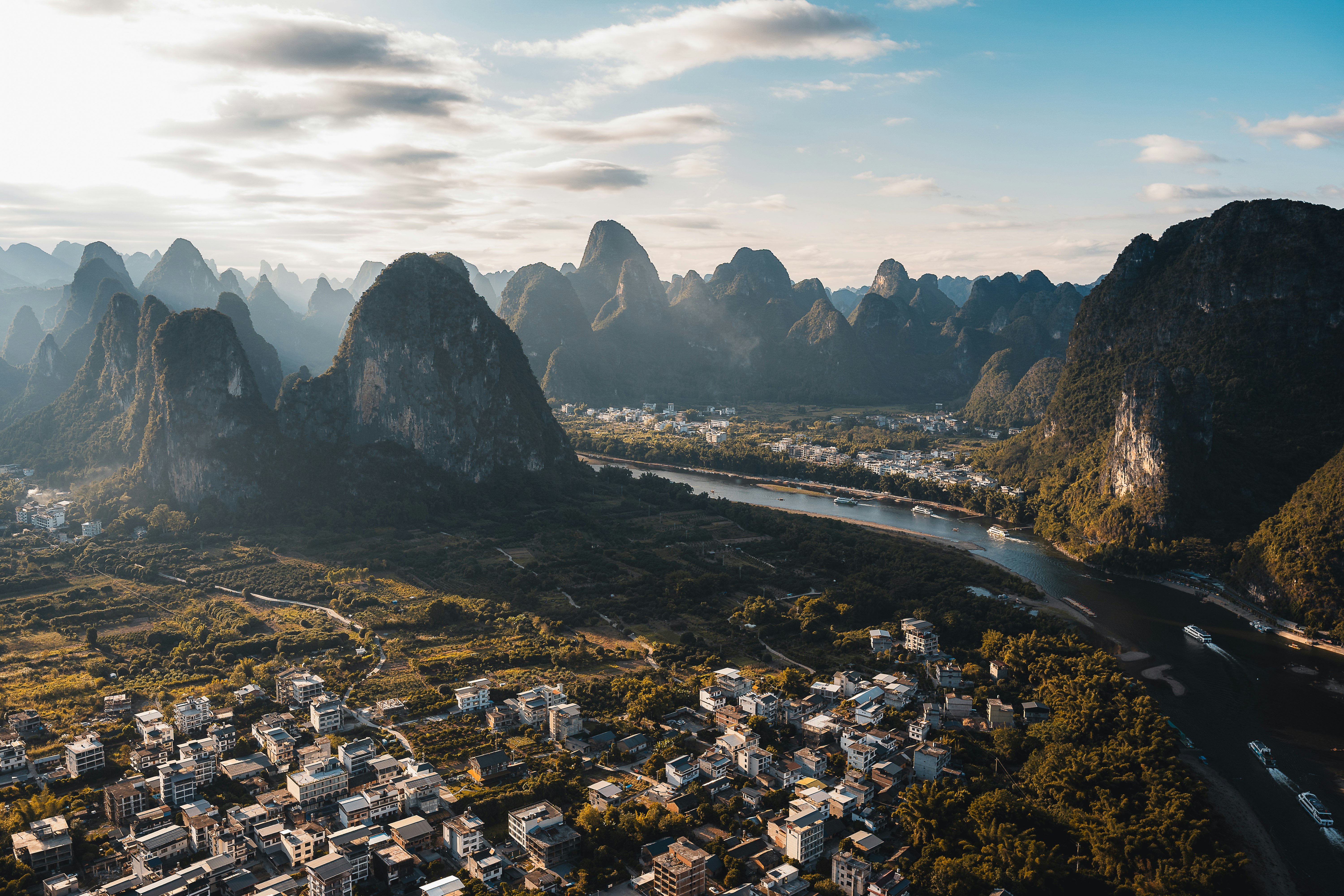
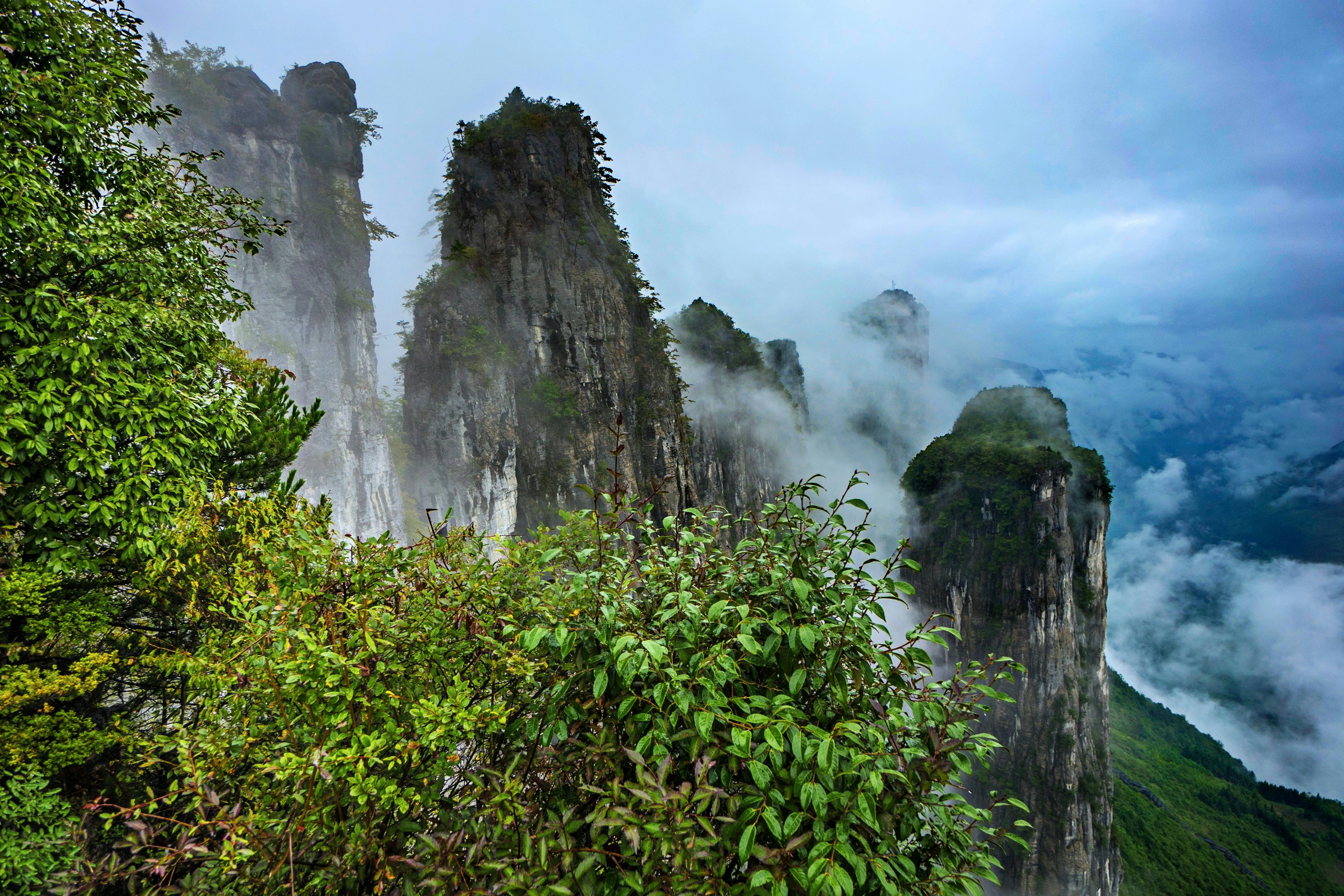
Zhangjiajie — 张家界 — is a mountainous city in Hunan Province, home to one of China's most spectacular natural wonders. The Wulingyuan Scenic Area, a UNESCO World Heritage Site, features over 3,000 quartz sandstone pillars that rise dramatically from the forest floor, often shrouded in mist and clouds, creating an otherworldly landscape.
The area gained global fame when James Cameron cited the pillar formations as visual inspiration for Pandora in the film Avatar. Today, Zhangjiajie is one of China's most visited natural attractions, drawing millions of domestic and international tourists annually.
Top Attractions
Wulingyuan Scenic Area (武陵源风景名胜区)
The main UNESCO site, covering 264 sq km of Hunan's mountainous interior. The core area includes:
Zhangjiajie National Forest Park — The original Zhangjiajie experience, featuring the "First Bridge Under Heaven," Emperor Mountain, and the Gold Crown. The park's 1,000+ bird species and diverse wildlife make it a naturalist's paradise.
Bailong Elevator (百龙电梯) — The world's tallest outdoor elevator (326m) ascends the cliff face in 66 seconds, offering dramatic vertical views. Controversial due to its impact, but undeniably impressive.
Yuanjiajie (袁家界) — Often called the "Avatar Mountains," this area features the pillar formations that inspired Cameron's Pandora. The Hallelujah Mountains viewpoint offers the most iconic photo spots.
Yangjiajie (杨家界) — Quieter area with natural bridges and pristine forests.
Golden Whip Stream (金鞭溪) — A 7.5km hiking trail along a clear mountain stream, one of the most pleasant walks in China.
- Hours: 7:00–18:00 (varies by season)
- Admission: ¥225 (includes park entry + shuttle bus; cable cars/elevator extra)
- Best approach: Take the Wulong Valley Cable Car up, walk Yuanjiajie, descend via Bailong Elevator
Tianmen Mountain (天门山)
A separate mountain famous for its natural arch — a 57m-high hole formed through the limestone — accessible via the world's longest cable car (7,455m). The Skywalk glass walkway along the cliff edge and the 999 Steps leading to Heaven's Gate are thrilling experiences.
- Admission: ¥278 (includes cable car)
- Tip: Book early morning tickets to avoid queues
Huanglongdong (黄龙洞)
One of China's largest cave systems, featuring underground rivers, stalactite formations, and the world's tallest cave column (19.2m). The cave is navigated by boat and walkways.
- Admission: ¥121
Zhangjiajie Grand Canyon Glass Bridge
The world's longest and highest glass-bottomed bridge (430m long, 300m above the canyon). Not for the faint-hearted, though the bridge itself is impressively stable.
- Admission: ¥138 (bridge); ¥259 (all attractions)
Best Time to Visit
| Season | Pros | Cons |
|---|---|---|
| Spring (Apr–May) | Flowers bloom, mild weather | Peak crowds |
| Autumn (Sep–Nov) | Golden foliage, clear skies | Best overall |
| Summer (Jun–Aug) | Green forests, water activities | Hot, crowded |
| Winter (Dec–Feb) | Snow on peaks, fewer crowds | Some paths icy, cable cars may pause |
Travel Tips
- Altitude: Zhangjiajie sits at 300–1,200m. No altitude sickness risk, but the humidity can be intense.
- Weather: Mist is common and can obscure views. Visit in the morning and check weather forecasts. Sunny days after rain often produce the best "sea of clouds" views.
- Footwear: Wear sturdy, non-slip hiking shoes. Steps and stone paths can be wet and slippery.
- English signage: Limited outside major attractions. Download offline maps and consider hiring a guide.
- Altitude sickness: Not a concern at these elevations, but the stair climbs can be strenuous for unfit visitors.
Getting There
By Air: Zhangjiajie Hehua Airport (DYG) has direct flights from Beijing (3.5h), Shanghai (2.5h), Guangzhou (1.5h), and several international routes.
By Train: Zhangjiajie Railway Station connects to Changsha (3h), Beijing (16h), Shanghai (18h).
Getting around: Shuttle buses connect the airport, train station, and scenic areas. Local buses (#1, #5) serve the main areas. Taxis are metered.
Accommodation
Wulingyuan area: Best for early park access. Options range from budget hostels to international chain hotels.
Zhangjiajie city: More hotel variety and dining options. Most visitors stay here and commute to the parks.
Unique stays: Some boutique homestays in Tujia villages outside the main tourist areas offer authentic local experiences.
Cultural Notes
The Zhangjiajie area is home to the Tujia and Miao ethnic minorities. Their traditional villages, stilted houses, and distinctive customs add cultural depth to the natural scenery. The Tujia "Nuo Opera" and Miao silver craftsmanship are notable cultural traditions.