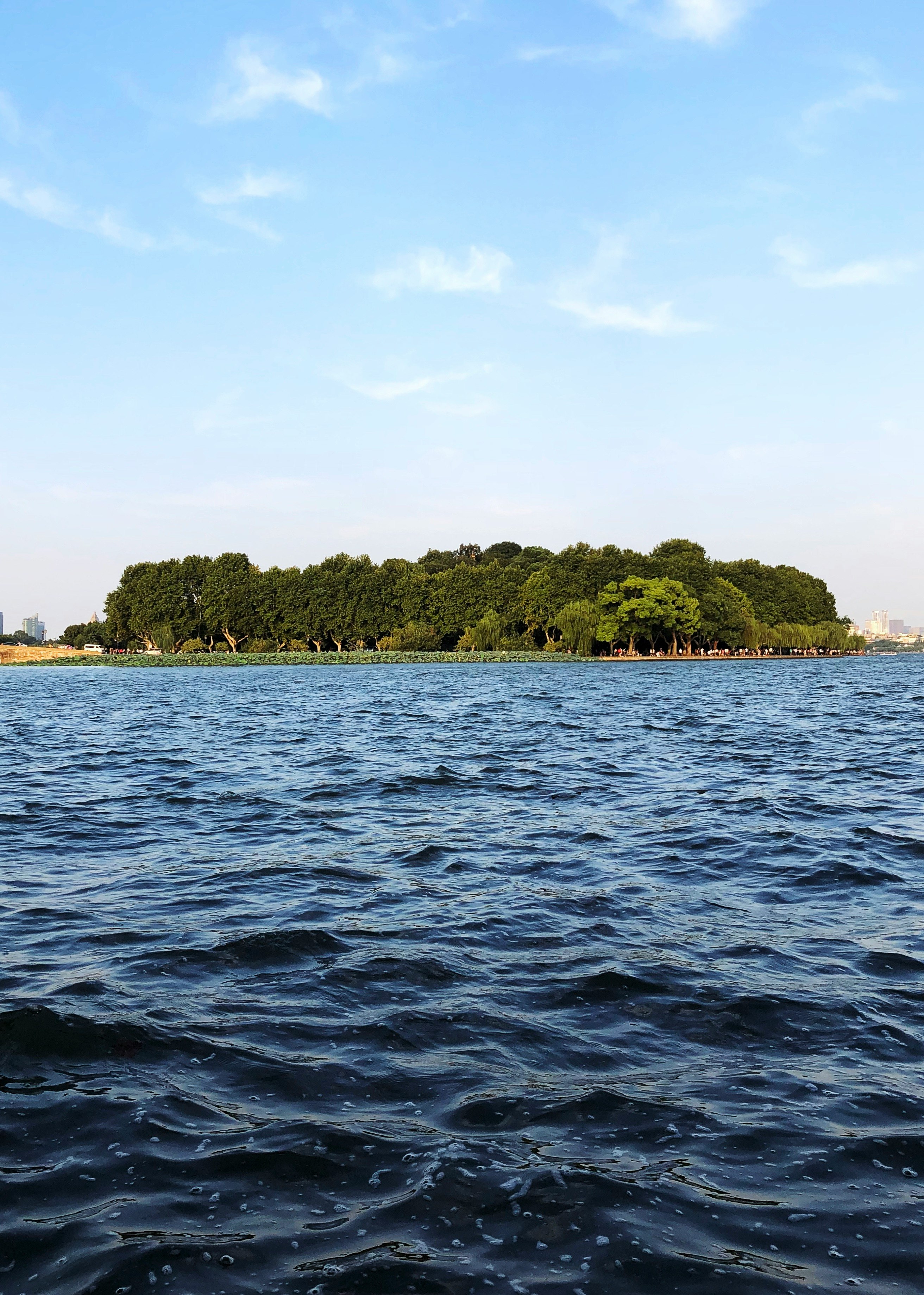
Yangzhou Travel Guide

FAQ
What is Yangzhou known for?
Yangzhou is renowned as the birthplace of Huaiyang cuisine, one of China's four great culinary traditions. The city is famous for its elegant canal-side scenery, classical gardens, rich poetic heritage, and historical significance as a major hub along the Grand Canal.
How many days do I need in Yangzhou?
A 2-3 day visit is ideal for exploring Yangzhou's main attractions, enjoying its cuisine, and experiencing the relaxed canal city atmosphere.
Is Yangzhou expensive to visit?
Yangzhou is relatively affordable compared to major Chinese cities. Accommodation, food, and attractions offer good value, with budget options available throughout the city.
When is the best time to visit Yangzhou?
Spring (April-May) and autumn (September-October) offer the most pleasant weather, with mild temperatures and beautiful scenery around Slender West Lake.
Do I need a visa to visit Yangzhou?
Foreign visitors need a valid Chinese visa. Yangzhou is in Jiangsu Province and is accessible from major international airports in Nanjing and Shanghai.
Overview
Yangzhou, a city of over 4.4 million people in Jiangsu Province, stands as one of China's most historically significant and culturally rich destinations. Located along the ancient Grand Canal, this canal city has been a center of trade, culture, and gastronomy for over 2,500 years.
The city's name literally means "Rising Prefecture," and it served as the southern capital during multiple dynasties. Yangzhou reached its zenith during the Tang and Song dynasties as a thriving commercial center, earning the nickname "the first city on the Yangtze River."
Today, visitors are drawn to Yangzhou for its exceptional Huaiyang cuisine, considered the pinnacle of Chinese culinary art, its serene Slender West Lake, and its meticulously preserved classical gardens that showcase the finest elements of Chinese garden design. The city's Old Street preserves ancient merchant neighborhoods, while Daming Temple connects visitors to Tang Dynasty poet Li Bai's legendary visit.
Whether you're a food enthusiast seeking authentic Huaiyang dishes, a culture lover exploring gardens and temples, or simply a traveler seeking an authentic Chinese experience away from the crowds, Yangzhou delivers an unforgettable journey through history and tradition.
Top Attractions
| Attraction | Type | Highlights | Estimated Visit Time |
|---|---|---|---|
| Slender West Lake | Lake & Garden | Lotus flowers, willow-lined bridges, Twenty-Four Bridge, boat cruises | 2-3 hours |
| He Garden (He Yuan) | Classical Garden | Exquisite rockeries, Qing Dynasty architecture, famous for its "window of four scenes" | 1-2 hours |
| Old Street (Gu Street) | Historic District | Preserved Ming-Qing architecture, local snacks, traditional shops | 1-2 hours |
| Daming Temple | Buddhist Temple | Twin pagodas, Li Bai's poetry connection, serene atmosphere | 1-2 hours |
| Ge Garden | Classical Garden | Unique bamboo groves, rockery masterpieces, elegant pavilions | 1-2 hours |
Slender West Lake (Xihu Yangzhou)
The crown jewel of Yangzhou, Slender West Lake is an artificial lake created during the Sui Dynasty and later expanded into a scenic wonderland during the Qing Dynasty. The lake's name comes from its narrow, winding shape—only about 600 meters wide but stretching nearly 5 kilometers in length.
Must-see features:
- Twenty-Four Bridge (Ershisi Qiao): An elegant white marble bridge with 24 steps and 24 pillars, famously described in poetry
- Five Pavilion Bridge (Wuting Qiao): The oldest bridge in Yangzhou, featuring five pavilions
- Lotus Flower Hill: A man-made island covered in lotus flowers during summer
- Willow Trees: Thousands of willow trees line the banks, creating the signature misty scenery
Tip: Take an early morning boat cruise to experience the lake's tranquility before crowds arrive.
He Garden (He Yuan)
Built in 1880 during the Qing Dynasty by a salt merchant named He Zhidao, this garden represents the pinnacle of Yangzhou's garden art. Unlike Suzhou's gardens which focus on concealment, He Garden embraces an open, expansive design.
Highlights:
- The "Window of Four Scenes" (Si Jing Chuang) frames different views of the garden through each season
- The "Corridor of Eight Hundred Meters" is one of the longest corridors in Jiangnan gardens
- Exquisite rockeries featuring the famous "Jiayan Stones"
Old Street (Gu Street)
This 1,100-meter-long street dates back to the Tang Dynasty and served as the main commercial artery of ancient Yangzhou. Today, it preserves the architectural style of the Ming and Qing dynasties while housing traditional shops and local food vendors.
What to experience:
- Browse traditional Chinese medicine shops
- Sample local snacks from street vendors
- Visit the Yangzhou Cultural Museum
- Admire the preserved merchant residences
Daming Temple
One of the most significant Buddhist temples in Chinese history, Daming Temple was founded in 457 AD during the Liu Song Dynasty. The temple gained nationwide fame when Tang Dynasty poet Li Bai wrote his famous poem "Staying at Daming Temple in Yangzhou" here.
Key features:
- Twin Pagodas: Two 70-meter-tall brick pagodas dating from the Tang Dynasty
- Jianzhen Memorial Hall: Commemorates the Japanese monk who studied here
- Ancient Buddhist structures and peaceful meditation gardens
Ge Garden
Built in the late Qing Dynasty by a wealthy salt merchant, Ge Garden is smaller than He Garden but equally impressive in its design. The garden is famous for its bamboo groves—over 60 varieties create a serene, rustling atmosphere.
Notable elements:
- The main rockery, considered one of China's finest
- Moon gates framed by bamboo
- The "Mr. Du's Hall" with its elegant woodwork
Local Food
Yangzhou is the birthplace of Huaiyang cuisine (淮扬菜), celebrated for its delicate flavors, meticulous preparation, and beautiful presentation. As one of China's four major culinary schools, Huaiyang cuisine emphasizes freshness, tender textures, and refined cooking techniques.
| Dish | Description | Must-Try Factor |
|---|---|---|
| Yangzhou Fried Rice (扬州炒饭) | Fluffy rice stir-fried with eggs, shrimp, vegetables, and char siu | The gold standard of Chinese fried rice; UNESCO recognized as intangible cultural heritage |
| Lion Head Meatballs (狮子头) | Large, tender pork meatballs braised in broth, often with crab meat | Silky smooth texture; represents Huaiyang cuisine's mastery of "red cooking" |
| Crystal Dumplings (水晶包) | Delicate translucent dumplings filled with pork and crab meat | Delicate wrapper showcases chef's skill; bursting with umami |
| Yangzhou Braised Duck (扬州卤鸭) | Duck slowly braised in aromatic broth until tender | Fall-off-the-bone tender; the city's signature dish |
| Three Delectable Snacks (三丁包) | Steamed buns filled with pork, chicken, and bamboo shoots | Classic Yangzhou breakfast; perfect balance of flavors |
Where to Eat
For Huaiyang Cuisine:
- Fucheng Restaurant (富春茶社): Established in 1885, the birthplace of Yangzhou fried rice
- Jinghua Restaurant (京华大酒店): Renowned for authentic Huaiyang cuisine
- Squirrel Sand Fish (松鼠鳜鱼): Another famous Huaiyang dish available at specialty restaurants
For Street Food:
- Old Street (Gu Street): Numerous food stalls offering local snacks
- Dongguan Street: Evening food market with grilled specialties
Best Time to Visit
| Season | Weather | Highlights | Travel Tips |
|---|---|---|---|
| Spring (Mar-May) | 10-25°C (50-77°F), mild and pleasant | Willow trees in bloom, comfortable temperatures, less rain | Peak season; book accommodations early |
| Summer (Jun-Aug) | 25-35°C (77-95°C), hot and humid | Lotus season at Slender West Lake, evening boat rides | Bring sunscreen;高温 heat can be intense |
| Autumn (Sep-Nov) | 15-28°C (59-82°F), crisp and clear | Fall foliage, comfortable weather, Mid-Autumn Festival | Best time to visit; ideal for photography |
| Winter (Dec-Feb) | 0-10°C (32-50°F), cold but dry | Less crowds, unique winter scenery, warm soups | Check attraction hours; some seasonal closures |
Recommended Visit: Late April to early June or September to October for the best weather and scenic conditions.
Getting There
By Air
The nearest major airport is Nanjing Lukou International Airport (NKG), approximately 90 minutes by train or bus from Yangzhou. Shanghai Pudong International Airport (PVG) is also accessible via high-speed train.
By Train
Yangzhou has two main railway stations:
- Yangzhou Railway Station: High-speed services from Nanjing (30 minutes), Shanghai (2 hours), Suzhou (1.5 hours), and Beijing (4 hours)
- Yangzhou East Railway Station: Services to additional destinations
From Nanjing: Take the high-speed train from Nanjing South Railway Station—journey takes 25-45 minutes.
By Bus
Long-distance bus services connect Yangzhou to major cities in Jiangsu, Shanghai, and neighboring provinces. The Yangzhou Bus Station is located near the city center.
By Boat
For a unique arrival, passenger ferries run along the Yangtze River and Grand Canal, connecting Yangzhou to other canal cities.
Getting Around
Public Transportation
- Bus: Extensive network covering all major attractions; fare: ¥2-3
- Taxi: Affordable; starting fare around ¥8; most rides within city center under ¥20
- Rideshare: Didi (Chinese Uber) operates widely in Yangzhou
Cycling
Yangzhou is remarkably bicycle-friendly with dedicated bike lanes and bike-sharing stations throughout the city. Cycling is one of the best ways to explore Slender West Lake and the old town areas.
Walking
The compact city center and attractions like Old Street and Slender West Lake are best explored on foot. Wear comfortable shoes for cobblestone streets in historic areas.
Practical Tips
Language
- Mandarin Chinese is the primary language
- English is limited outside tourist areas
- Download a translation app like Pleco or Google Translate
- Learn basic phrases: "谢谢" (xièxie - thank you), "你好" (nǐ hǎo - hello)
Currency
- Chinese Yuan (CNY/RMB)
- Mobile payment (WeChat Pay, Alipay) is widely accepted
- Carry some cash for small vendors and tips
Connectivity
- Purchase a local SIM card or rent a portable WiFi
- WeChat essential for communication and payments
Health
- No special vaccinations required
- Tap water is not potable; drink bottled or filtered water
- Medical facilities are adequate in the city
Etiquette
- Remove shoes when entering temples and homes
- Accept business cards with both hands
- Don't stick chopsticks vertically in rice
- Ask permission before photographing locals
Safety
- Yangzhou is generally very safe
- Standard precautions against petty theft
- Emergency number: 110 (police), 120 (ambulance)
Related Destinations
If you enjoyed Yangzhou, consider visiting these nearby destinations:
| Destination | Distance | Travel Time | Highlights |
|---|---|---|---|
| Nanjing | 80 km | 30-45 min by train | Ancient capital, Ming Xiaoling Tomb, Purple Mountain |
| Suzhou | 150 km | 1.5 hours by train | Classical gardens, canals, silk industry |
| Zhenjiang | 50 km | 30 min by train | Jiaoshan Mountain, Chinese vinegar museum |
| Yangzhou's Canal New Area | Within city | 20 min | Grand Canal Museum, modern canal landscape |
Last updated: April 2026
Have you visited Yangzhou? Share your experiences in the comments below!