```
Xi'an Travel Guide
Xi'an (西安), the ancient capital of Chang'an, stands as one of China's most historically significant cities—with over 3,100 years of continuous habitation. As the eastern terminus of the legendary Silk Road and the capital of 13 Chinese dynasties, Xi'an offers an unparalleled journey through imperial Chinese history. Today, this vibrant city of 13 million people blends its extraordinary heritage with modern urban energy, creating a destination that captivates history enthusiasts, food lovers, and cultural explorers alike.
Overview
Known historically as Chang'an (meaning "Eternal Peace"), Xi'an served as China's imperial capital from the Western Zhou dynasty (1046 BC) through the Tang dynasty (907 AD)—a span of over a millennium. The city reached its zenith during the Tang period, when it was the world's largest metropolitan center, home to over one million inhabitants and a cosmopolitan hub for traders, monks, and diplomats from across Asia.
The Silk Road transformed Xi'an into a cultural crossroads where Chinese silk, porcelain, and paper technology traveled westward while Buddhism, Central Asian music, and foreign goods flowed into China. Today, Xi'an remains a major university city, home to several prestigious institutions, giving it a youthful, energetic atmosphere alongside its ancient monuments.
Top Attractions
Terracotta Army (秦始皇兵马俑)
The Terracotta Army ranks among the most spectacular archaeological discoveries in history. Located approximately 35 kilometers east of Xi'an's city center in Lintong District, this vast army was discovered in 1974 by local farmers digging a well.
What You'll See:
The site comprises three underground pits containing an estimated 8,000 life-sized soldiers, 130 chariots, and 670 horses. The figures were buried around 210 BC with Qin Shi Huang, China's first emperor, to protect him in the afterlife.
| Pit | Description | Highlights |
|---|---|---|
| Pit 1 | Largest pit (230m × 62m) | Main battle formation, 6,000+ soldiers in rectangular rows |
| Pit 2 | Smaller (96m × 84m) | Mixed cavalry and infantry units, archers |
| Pit 3 | Smallest (21m × 17m) | Command headquarters, high-ranking officers |
Practical Information:
- Hours: 8:30 AM – 6:00 PM (summer until 6:30 PM)
- Admission: Y120 peak season / Y80 off-season (includes shuttle bus and audio guide)
- Transport: Bus 306 from Xi'an Railway Station (Y7, ~1 hour); taxi (approximately Y100-120 each way)
- Plan: Allow 2-3 hours; arrive early to beat crowds
The on-site museum also displays two bronze chariots excavated from the site—exquisite examples of Qin dynasty metallurgy.
Xi'an City Wall (西安城墙)
The Xi'an City Wall is the most complete Ming dynasty fortress in China. Constructed in 1370 AD under the Hongwu Emperor, the wall originally stretched 15 kilometers, though today 13.7 kilometers remain intact.
Specifications:
- Height: 12 meters
- Thickness: 12-14 meters at base
- Circumference: 13.7 km
- Features: 98 ramparts, 5,800 battlements, 4 main gates
Experiences:
The wall offers a unique perspective on Xi'an's layout. The best way to explore is by bicycle—rent a bike at any of the main gates and cycle the full circuit (approximately 2 hours). The wall is particularly spectacular at sunset, when the golden light illuminates the ancient bricks and the city below comes alive with evening activity.
Practical Information:
- Hours: 8:00 AM – 9:00 PM (summer), 8:00 AM – 6:00 PM (winter)
- Admission: Y54 with bicycle rental; Y45 walking access
- Best gates: South Gate (Yongning Gate) for main entrance; East Gate for fewer crowds
Giant Wild Goose Pagoda (大雁塔)
This iconic Tang dynasty pagoda was built in 652 AD to house Buddhist scriptures brought from India by the famous monk Xuanzang (the inspiration for Journey to the West). The pagoda originally stood 60 meters tall; today it reaches 45 meters after several reconstructions.
What to Experience:
- Climb the pagoda's interior stairs for panoramic views of Xi'an
- Visit the adjacent North Square for the spectacular Musical Fountain Show (free, runs every 30 minutes in the evening)
- Explore the surrounding temple complex and gardens
- View the massive bronze statue of Xuanzang in the square
Practical Information:
- Hours: 8:00 AM – 6:30 PM
- Admission: Y50 combined (pagoda + North Square); Y30 for pagoda only
- Musical Fountain: 12:00 PM and 2:00 PM (daytime), 7:00 PM and 9:00 PM (evening)
Muslim Quarter and Great Mosque
Xi'an's Muslim Quarter (回民街) is the heart of the city's Hui Muslim community, numbering over 50,000 residents with roots stretching back over 1,000 years. This vibrant district offers a unique blend of Chinese and Central Asian cultures.
The Great Mosque (大皮院清真寺):
One of China's oldest and largest mosques, built during the Tang dynasty and rebuilt in the Ming period. Unlike Middle Eastern mosques, it features traditional Chinese architectural elements—pagodas, pavilions, and carved stone tablets—while remaining an active place of worship.
The Street Scene:
The narrow lanes of the Muslim Quarter burst with energy, especially in the evening. Sample legendary street food, browse traditional crafts, and soak in the atmosphere of this unique cultural enclave.
Must-Try Foods:
- Lamb skewers (羊肉串)
- Biangbiang noodles (裤带面)
- Roujiamo肉夹馍 (flatbread pork sandwich)
Bell and Drum Towers (钟楼 & 鼓楼)
These twin Ming dynasty structures stand at the heart of Xi'an's central business district, marking the old city's meridian.
Bell Tower (钟楼): Built in 1384, houses a massive bronze bell from the Tang dynasty, traditionally used to mark the hours.
Drum Tower (鼓楼): Built in 1380, houses a collection of drums representing the 24 solar terms.
The towers face each other across a busy intersection, connected by a pedestrian shopping street. The best views come from ascending both towers at sunset, watching the city transition from day to night.
Practical Information:
- Hours: 8:30 AM – 8:30 PM
- Admission: Y35 each; Y50 combined ticket
- Tip: Visit in late afternoon to see both daylight and illuminated night views
Shaanxi History Museum (陕西历史博物馆)
One of China's premier provincial museums, the Shaanxi History Museum houses over 370,000 artifacts spanning from the Zhou dynasty through the Tang period. This is essential viewing for understanding the breadth of Shaanxi's—and China's—historical legacy.
Collection Highlights:
- Bronze vessels from the Western Zhou
- Terracotta figures from various periods
- Gold and silver Tang dynasty treasures
- Ancient calligraphy and paintings
- Buddhist sculptures
Practical Information:
- Hours: 8:30 AM – 6:00 PM (closed Mondays)
- Admission: Free, but advance ticket booking required (especially peak season)
- Tip: Book online 3-7 days ahead; limited same-day tickets available
Local Food
Xi'an's cuisine represents the culinary heart of Northwestern China, characterized by bold flavors, hand-pulled noodles, and hearty lamb dishes. The city's position on the Silk Road brought Central Asian influences that remain evident today.
Signature Dishes
| Dish | Chinese | Description |
|---|---|---|
| Biangbiang Noodles | 裤带面 | Wide, chewy hand-pulled noodles dressed with chili oil, garlic, and vegetables. Named for the sound the dough makes when stretched. |
| Roujiamo | 肉夹馍 | Flatbread stuffed with slow-braised pork belly. Often called "Chinese hamburger"—crispy bread with tender, flavorful meat. |
| Yangrou Paomo | 羊肉泡馍 | Crumbled flatbread soaked in rich lamb broth, served with lamb slices. A Xi'an specialty requiring interactive preparation. |
| Liangpi | 凉皮 | Cold rice noodles with sesame sauce, cucumber, and bean sprouts. Refreshing and perfect for summer. |
| Yangrou Chuan | 羊肉串 | Charcoal-grilled lamb skewers with cumin and chili. Ubiquitary in the Muslim Quarter. |
| Qishao Roupao | 歧山肉泡 | Lotus leaf-wrapped sticky rice with pork, steamed. Fragrant and satisfying. |
Food Hotspots:
- Muslim Quarter: Best for lamb skewers, roujiamo, and street food atmosphere
- Luoyang Road (洛阳路): Local favorite for biangbiang noodles and liangpi
- De Fen Zhi Jia (德发长): Historic restaurant for dumplings and traditional Shaanxi cuisine
Best Time to Visit
Xi'an experiences four distinct seasons, each offering different experiences.
| Season | Temperature | Pros | Cons |
|---|---|---|---|
| Spring (Mar-May) | 10-25°C (50-77°F) | Comfortable weather, flowers blooming, pleasant for sightseeing | Peak domestic tourism during May holidays |
| Summer (Jun-Aug) | 25-35°C (77-95°F) | Long days, vibrant nightlife, festivals | Very hot, crowded, occasional rain |
| Autumn (Sep-Nov) | 10-25°C (50-77°F) | Clear skies, comfortable temperatures, harvest season | Golden Week (Oct 1-7) extremely crowded |
| Winter (Dec-Feb) | -5-10°C (23-50°F) | Fewest crowds, atmospheric, discounted prices | Cold, short days, some attractions with reduced hours |
Recommended: Late March through May or September through November for the best balance of weather and crowd levels.
Getting There
By Air
Xianyang International Airport (XIY) serves as Xi'an's aviation hub, located about 25 kilometers northwest of the city center.
- Domestic flights: Direct connections from most major Chinese cities
- International flights: Limited international routes; most travelers connect through Beijing, Shanghai, or Hong Kong
- Transport to city: Metro Line 14 (40 minutes to North Railway Station); airport bus (Y25-35, 1 hour); taxi (Y150-200)
By High-Speed Rail
Xi'an's extensive rail network makes train travel highly convenient:
| From | Duration | Notes |
|---|---|---|
| Beijing | 4.5 hours | G trains from Beijing West; frequent departures |
| Shanghai | 5-6 hours | Via Nanjing or Zhengzhou; scenic route through Central China |
| Chengdu | 3 hours | Direct high-speed connection; convenient for Sichuan combinaton |
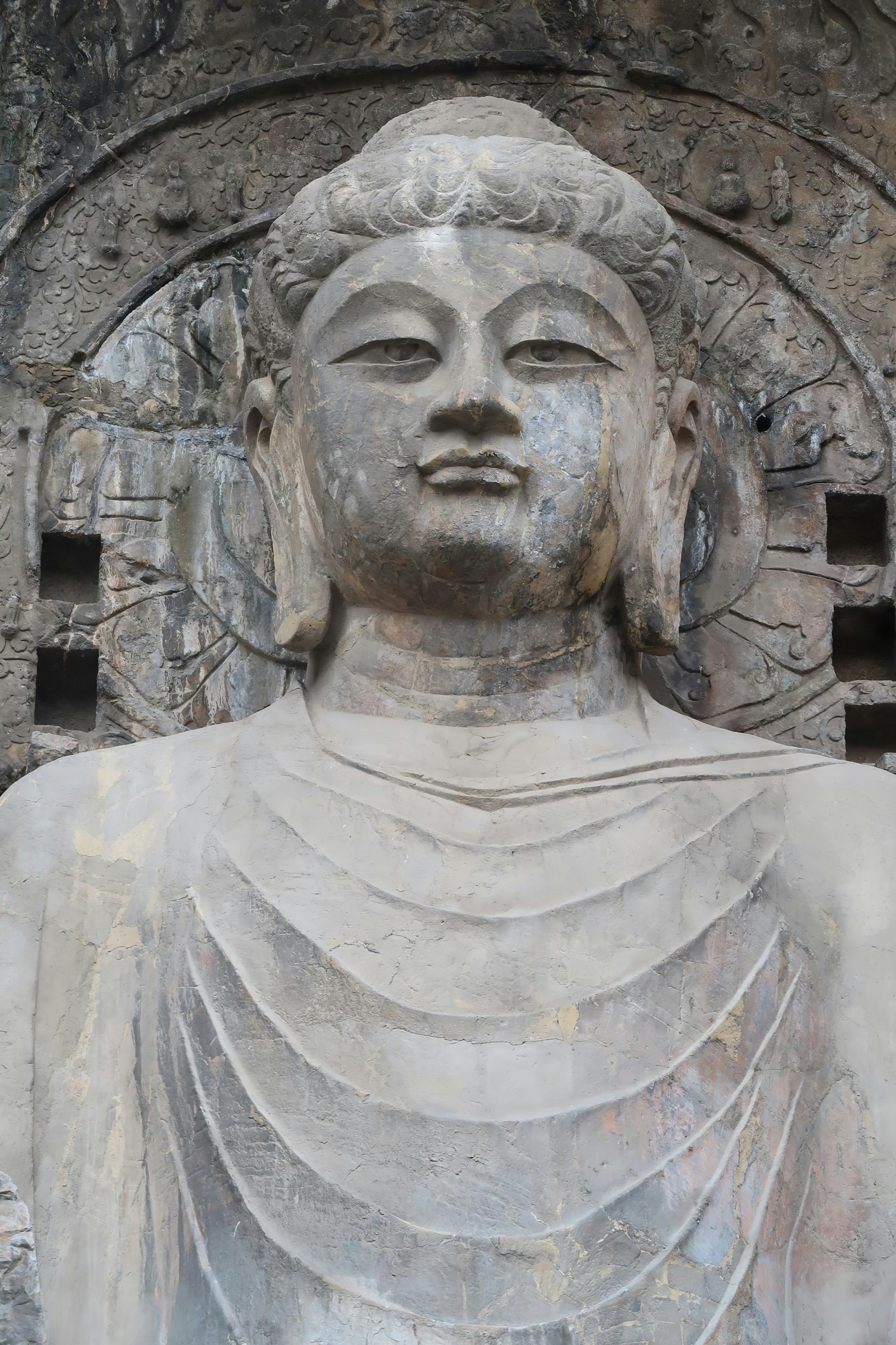
| Luoyang | 1.5 hours | Short trip for Longmen Grottoes day excursion |
Stations: Xi'an North Railway Station (major high-speed hub), Xi'an Railway Station (conventional trains), Xi'an South Station (regional trains)
Getting Around
Metro
Xi'an's metro system comprises 9 lines covering major attractions and neighborhoods. It's the most efficient way to navigate the city, with English signage and announcements.
- Key lines: Line 2 (Bell/Drum Towers, South Gate); Line 3 (Terracotta Army bus); Line 4 (Giant Wild Goose Pagoda)
- Cost: Y2-7 per journey
- Hours: 6:00 AM – 11:00 PM
Taxi & Ride-Hailing
Taxis are abundant and inexpensive:
- Starting fare: Y8-10
- Average short trip: Y15-25
- DiDi app: Available with English interface; preferred for airport transfers
Walking
Xi'an's city center is remarkably walkable. The area inside the City Wall, particularly around the Bell/Drum Towers and Muslim Quarter, is best explored on foot. Allow 20-30 minutes to cross from the South Gate to the Bell Tower.
Practical Tips
-
Book Terracotta Army tickets in advance during peak season (May, October, Chinese New Year). Same-day tickets may sell out by noon.
-
Cycle the City Wall at sunset for the most memorable Xi'an experience. Arrive 1.5 hours before closing to rent a bike and catch the golden hour.
-
Visit the Muslim Quarter twice: once in the evening for the bustling street food atmosphere, and once in the morning to explore the Great Mosque and experience the quieter, more authentic side.
-
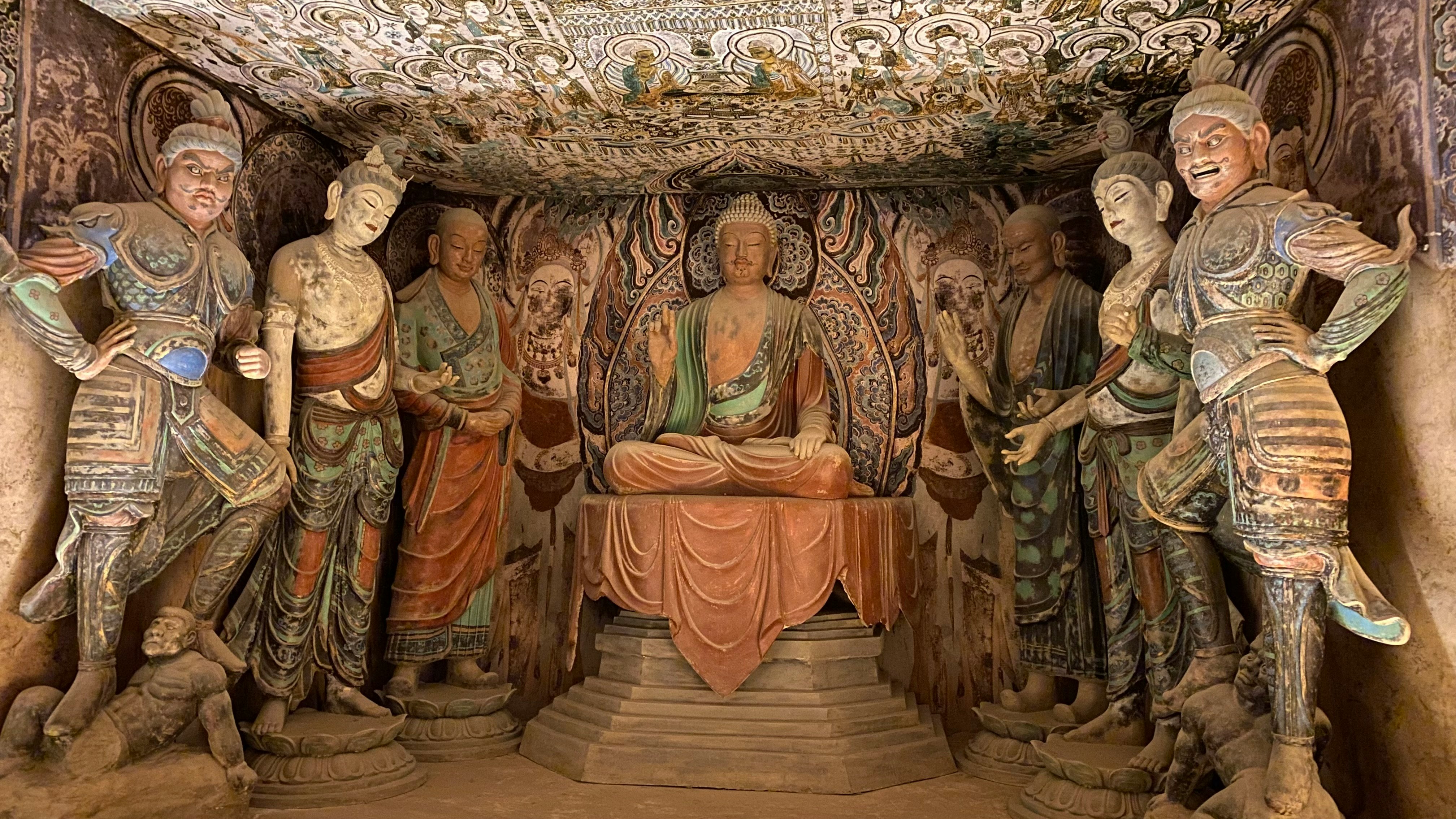
Combine with other Silk Road destinations. Xi'an serves as the perfect starting point for exploring the Silk Road corridor—Dunhuang, Zhangye, and Jiayuguan are all accessible via high-speed rail or flights.
-
Bring cash. While larger restaurants accept mobile payment, many smaller establishments and street vendors only take cash (RMB).
-
Book the Shaanxi History Museum online. Free tickets are in high demand; book 3-7 days in advance via their official WeChat account or website.
Related Destinations
Expand your journey through China's historic heartland:
- Dunhuang (敦煌): Gateway to the Silk Road, famous for the Mogao Caves and singing sand dunes
- Luoyang (洛阳): Ancient capital with the Longmen Grottoes, 1.5 hours by high-speed rail from Xi'an
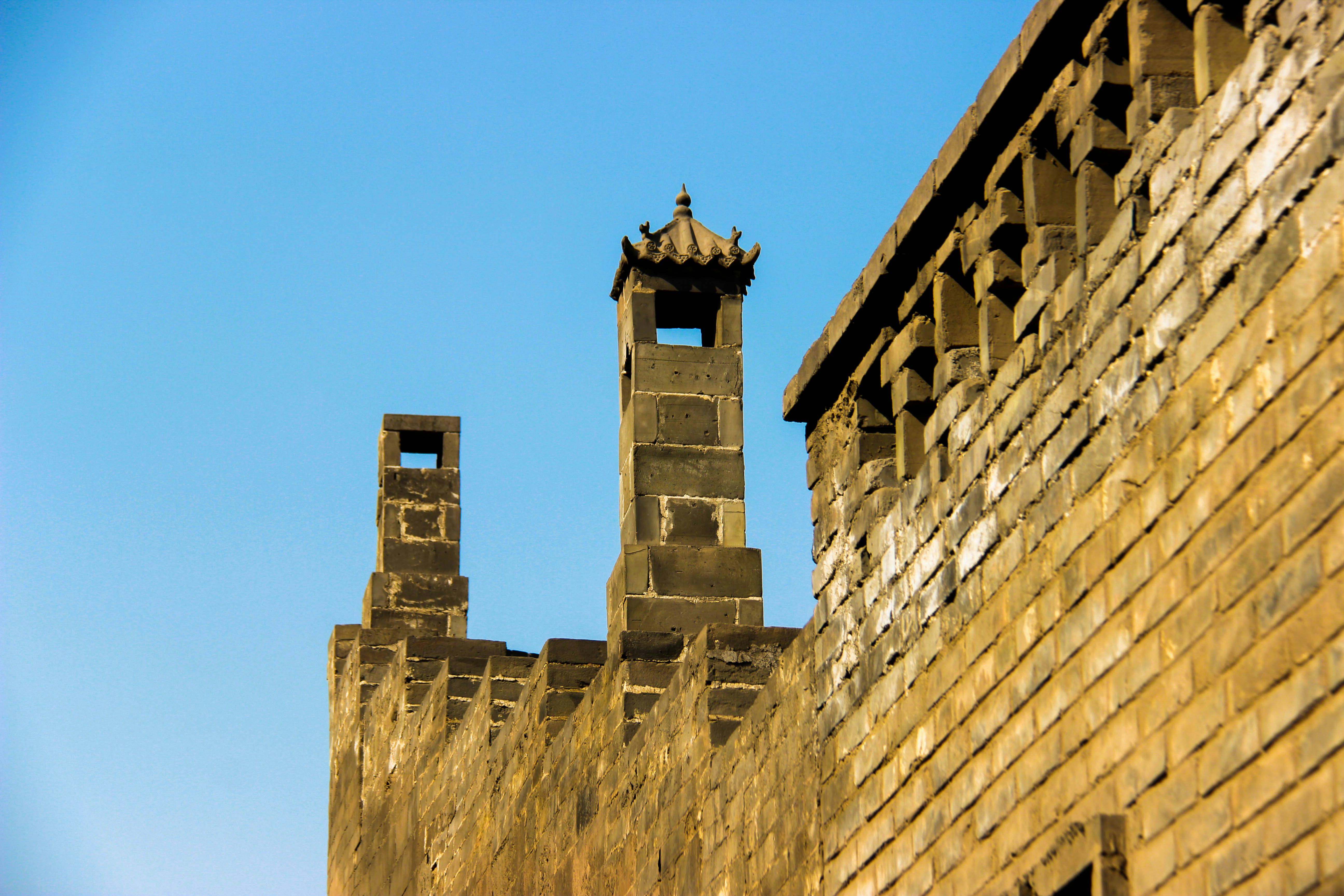
- Pingyao (平遥): Preserved Ming dynasty walled city, 2 hours by train
- Mount Hua (华山): One of China's Five Great Mountains, famous for its dangerous cliff-side hiking trails
Xi'an offers an unforgettable journey through millennia of Chinese history, from the silent ranks of the Terracotta Army to the lively streets of the Muslim Quarter. Whether you're a history enthusiast, a food lover, or simply curious about ancient civilizations, this ancient capital delivers an experience that resonates long after you've left its storied walls.