```
Tengchong Travel Guide
Tengchong (腾冲) sits in the far western corner of Yunnan Province, just a stone's throw from Myanmar and close to the border with缅甸 (Myanmar). This once-sleepy border town has emerged as one of Yunnan most compelling destinations, offering a rare combination of volcanic landscapes, therapeutic hot springs, well-preserved ancient architecture, and a fascinating position at the crossroads of multiple ethnic cultures.
Known historically as "Tengyue" in Chinese, Tengchong was a vital trading post on the Ancient Southern Silk Road, welcoming merchants from across Asia. Today, it retains the charm of a bygone era in Heshun Ancient Town while serving as a gateway to some of China's most unusual geological formations—the result of its location on the Pacific Ring of Fire.
FAQ
When is the best time to visit Tengchong?
The best time to visit Tengchong is April to May for spring weather and the wild mushroom season, or October to November for comfortable temperatures and the ginkgo harvest. Avoid the monsoon season (June to September) when heavy rains can disrupt travel, though the landscape is exceptionally green during this period.
How many days should I spend in Tengchong?
Plan for 3 to 4 days to explore the main attractions. This gives enough time for Heshun Ancient Town, the hot springs, volcano sites, and a day trip to Beihai Wetland. If you want to include border crossings or more extensive hiking, allocate 5-7 days.
Is Tengchong suitable for families?
Yes, Tengchong is family-friendly. The hot springs are particularly suitable for children, and the volcano parks have relatively easy trails. The ancient town offers a safe, walkable environment. However, some rural attractions require uneven walking paths.
Do I need a visa to visit Tengchong?
For most nationalities, no special visa is required for Tengchong as it's an internal Chinese destination. However, if you plan to cross into Myanmar (Ruili or other border crossings), check visa requirements for Myanmar in advance.
Are the hot springs worth visiting?
Absolutely. Tengchong's hot springs are among the best in China, known for their high mineral content and therapeutic properties. The Rehai (热海) scenic area offers dramatic steam vents and hot pools, while luxury resorts provide more refined spa experiences.
How do I get to Tengchong from Kunming?
The most convenient option is a direct flight from Kunming (about 1 hour). Alternatively, you can take a bus (6-8 hours) or train to Baoshan, then transfer to Tengchong (about 1.5 hours by bus).
Overview
Tengchong County is located in western Yunnan Province, approximately 650 kilometers from Kunming. The county seat, also called Tengchong, sits at an elevation of around 1,640 meters, giving it a temperate climate that contrasts with Yunnan's subtropical valleys.
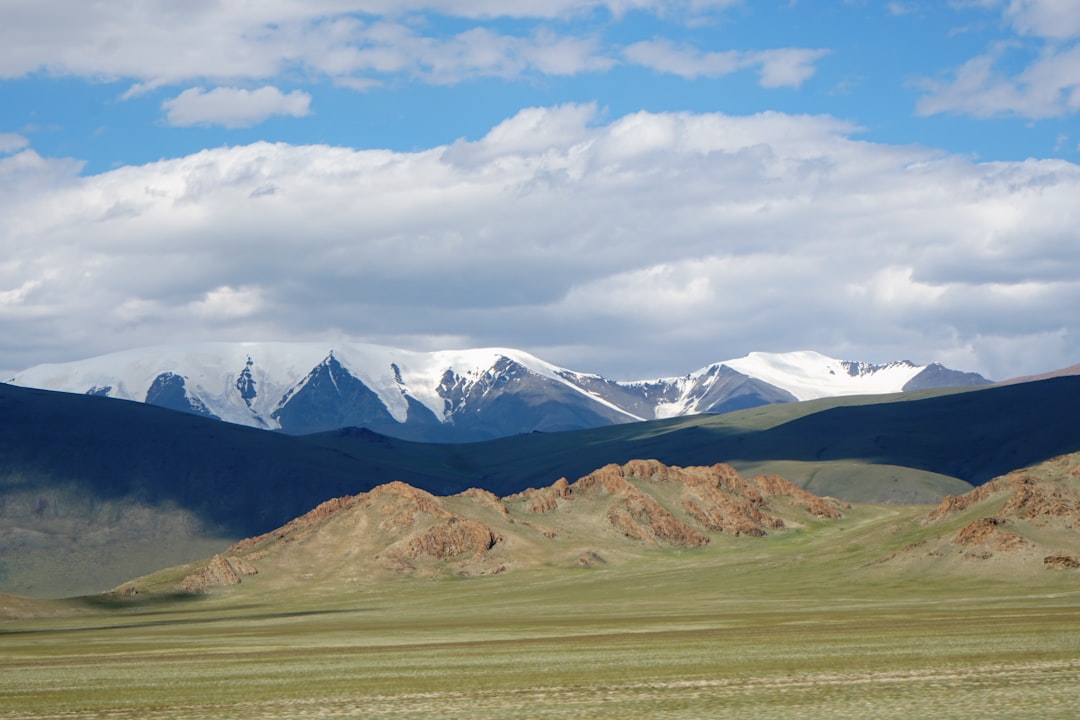
The region is geologically remarkable—it sits on the Pacific Ring of Fire and boasts the most concentrated volcanic activity in China. The Tengchong Volcanic Group includes more than 90 volcanoes, though none are active today. The area also features dramatic geothermal activity, with hot springs and steam vents scattered throughout the landscape.
Culturally, Tengchong is home to diverse ethnic groups, primarily the Han, with significant populations of Dai, Lisu, and other minorities. The town flourished as a trading hub on the Ancient Southern Silk Road, and this heritage is visible in Heshun Ancient Town's architecture, which blends Chinese, Indian, and Southeast Asian influences.
Today, Tengchong attracts visitors seeking:
- Geothermal wonders: Hot springs, steam fields, and volcanic landscapes
- Historical charm: Well-preserved ancient towns and traditional architecture
- Border culture: Proximity to Myanmar and the spice markets of Southeast Asia
- Cuisine: Yunnan's famous wild mushrooms, crossing-the-bridge noodles, and local Pu'er tea
Top Attractions
| Attraction | Type | Highlights | Recommended Visit Time |
|---|---|---|---|
| Heshun Ancient Town | Cultural/Historical | Ming-Qing architecture, ancestral halls, quiet lanes, local life | Half day to full day |
| Tengchong Hot Springs (Rehai) | Nature/Wellness | Geothermal pools, steam vents, "Dadi Wok" thermal area | 3-4 hours |
| Tengchong Volcanoes | Nature/Geological | Crater lakes, volcanic cones, hiking trails, scenic views | Half day |
| Beihai Wetland | Nature/Wildlife | High-altitude marsh, birdwatching, floating peat bogs | Half day |
| Gutengshan (Crouching Tiger Mountain) | Nature/Hiking | Tea plantations, panoramic views, temple, sunrise views | Half day to full day |
Heshun Ancient Town (和顺古镇)
Heshun Ancient Town is arguably the best-preserved ancient town in western Yunnan—and one of the most charming in all of China. Unlike Lijiang or Dali, which can feel overly touristy, Heshun retains an authentic working community where locals go about their daily lives amid centuries-old architecture.
The town is built against a hillside and centered around a scenic lake. Winding stone paths lead past ancestral halls, traditional courtyard homes, small temples, and now-cafés and guesthouses that cater to visitors without destroying the atmosphere.
Key sights include:
- Yongan Temple: A Buddhist temple with origins in the Ming Dynasty
- Zhu Family Garden: An elaborate private garden from the Qing Dynasty
- Aiyi Ancestral Hall: One of the most beautifully decorated halls in town
- The Main Street: Lined with shops selling local tea, handicrafts, and snacks
Wander the back alleys for the most authentic experience—you'll see elders playing traditional games, women doing laundry in the stream, and farmers bringing produce to market.
Tengchong Hot Springs (Rehai Scenic Area)
The Rehai (热海, meaning "Hot Sea") scenic area is Tengchong's most famous attraction and one of the largest geothermal areas in China. Located about 12 kilometers from the county seat, this area features numerous hot springs, steam vents, and bubbling mud pools set in a dramatic mountain valley.
Highlights:
- Dadi Wok (大地锅): A large hot spring pool where eggs can be cooked in the geothermal waters—a unique experience
- Jianghong Hot Spring: A large public bathhouse with various pools at different temperatures
- Zhaoqi Pavilion: A viewing platform overlooking the steam fields, particularly dramatic in the morning mist
- Cliff-side hot springs: Natural pools set into the mountainside
The water is rich in minerals including sulfur, radium, and lithium, believed to have therapeutic benefits for skin conditions, arthritis, and circulation. Several resort hotels in the area offer overnight stays with private hot spring access.
Tengchong Volcanoes
The Tengchong Volcanic Group represents the most recent volcanic activity in China, with the last eruptions occurring around 5,000 years ago. The area contains 97 volcanoes in a 1,000-square-kilometer zone, making it one of the world's few areas where you can safely explore volcanic geology.
Main volcanic sites:
- Laifeng Mountain: The most accessible volcano, with a well-maintained trail to the crater rim
- Daying River Volcano: Features a crater lake at the summit
- Maoshan Mountain: Another climbable volcano with panoramic views
- Penglai Pavilion: A scenic area with multiple volcanic cones
The landscape is striking—dark volcanic rock contrasts with green vegetation, and several craters have filled with water to create beautiful crater lakes. Hiking trails connect several volcanoes, offering a moderate trek through otherworldly terrain.
Beihai Wetland (北海湿地)
Beihai Wetland is a rare high-altitude peat bog and one of the most important wetlands in Yunnan. Located about 25 kilometers north of Tengchong, this protected area sits at 1,730 meters elevation and covers about 16,000 acres.
The wetland features floating peat islands—rafts of vegetation that literally float on the water. These islands support a unique ecosystem with numerous plant and bird species. In spring and summer, the wetland blooms with water lilies and other aquatic flowers.
Activities:
- Walking trails: Wooden boardwalks allow exploration of the wetland
- Boat tours: Rowboats can take you through the reed beds
- Birdwatching: The wetland is home to over 200 bird species, including black-necked cranes in winter
- Photography: The reflection of mountains on the water and the floating islands make for stunning shots
The area is particularly beautiful during the wet season (June-September) when the wetland is at its fullest, though the dry season offers easier walking conditions.
Gutengshan (鼓凳山)
Gutengshan, also known as "Drum Stool Mountain" for its distinctive shape, rises dramatically behind Heshun Ancient Town. The mountain is crowned by a small temple and offers panoramic views of the town, surrounding countryside, and distant mountains.
The climb:
- Difficulty: Moderate; steep stone steps for about 30-40 minutes
- Route: Begins near the back of Heshun Ancient Town
- Summit: A small temple with a viewing platform
The sunrise view from Gutengshan is particularly spectacular, though early morning starts require staying in Heshun the night before. The mountain is also known for its tea plantations—several small tea farms operate on the slopes, and you can stop to sample local varieties.
Local Food
| Dish | Description | Where to Try |
|---|---|---|
| Crossing Bridge Rice Noodles (过桥米线) | Yunnan's signature dish—rice noodles served in a hot broth with raw ingredients added at the table | Heshun Ancient Town restaurants, morning markets |
| Steam Pot Chicken (汽锅鸡) | Chicken slow-cooked in a ceramic pot with ginger, scallions, and medicinal herbs; the broth is intensely flavorful | Traditional restaurants in town |
| Wild Mushroom Hotpot (野生菌火锅) | Fresh foraged mushrooms cooked in a savory broth; best during monsoon season (June-September) | Specialty mushroom restaurants |
| Ginkgo Nut (银杏果) | Locally grown ginkgo nuts, often served in congee, as a snack, or in savory dishes | Morning markets, local eateries |
| Local Pu'er Tea (腾冲普洱茶) | Regionally produced aged Pu'er tea; Tengchong has its own tea-growing tradition | Tea houses in Heshun, tea plantations |
Food Highlights
Crossing Bridge Rice Noodles (过桥米线): This iconic Yunnan dish is said to have originated in Mengzi County, but Tengchong has its own variation. The dish arrives in stages: first a piping hot bowl of broth, then raw ingredients (thinly sliced meat, vegetables, eggs, tofu), and finally the rice noodles. The trick is to add the ingredients quickly while the broth is at its hottest, cooking everything in seconds.
Steam Pot Chicken (汽锅鸡): This dish uses a unique ceramic pot with a hollow handle that acts as a steamer. The pot is placed over a wok of boiling water, and the chicken inside cooks slowly in its own juices, producing an intensely flavorful, silky broth. It's considered a health dish, often prepared with Chinese medicinal herbs.
Wild Mushroom Hotpot (野生菌火锅): Yunnan is famous for its wild mushrooms, and Tengchong is one of the best places to enjoy them. During the rainy season (roughly June to September), locals forage for dozens of varieties—including matsutake, chanterelles, and porcinis—which are served in a communal hotpot. Non-mushroom seasons offer dried or cultivated varieties.
Ginkgo Nuts (银杏果): Tengchong's climate is ideal for ginkgo trees, and the nuts are a local specialty. They're often served boiled and salted as a snack, mixed into congee, or added to savory dishes. The nuts have a subtle, slightly sweet flavor and are believed to have health benefits.
Local Pu'er Tea: While Pu'er is typically associated with Xishuangbanna and other parts of Yunnan, Tengchong has its own tea tradition. The region's high elevation and climate produce teas with distinctive character. Visit a local tea house in Heshun to sample aged cakes and learn about the tea production process.
Best Time to Visit
| Season | Months | Weather | Pros | Cons |
|---|---|---|---|---|
| Spring | March-May | Mild (15-25°C / 59-77°F); occasional rain | Wild mushrooms appear; comfortable temperatures; flowers in bloom | Peak tourism in April-May; prices higher |
| Summer | June-August | Warm (20-28°C / 68-82°F); heavy monsoon rains | Lush green landscapes; best for photography; festival season | Travel disruptions due to rain; some roads may close |
| Autumn | September-November | Mild and dry (15-24°C / 59-75°F) | Clear skies; comfortable; harvest season; ginkgo nuts | Can be crowded during National Day (October 1-7) |
| Winter | December-February | Cool (8-18°C / 46-64°F); dry | Fewest tourists; hot springs especially enjoyable; lower prices | Cold mornings; some attractions have reduced hours |
Getting There
By Air
Tengchong Tuofeng Airport (腾冲驼峰机场) serves domestic flights from several Chinese cities:
- Kunming: 1 hour (multiple daily flights)
- Beijing: 3.5 hours (via Kunming or direct seasonal)
- Shanghai: 3 hours (via Kunming)
- Chengdu: 2 hours (seasonal)
The airport is located about 30 minutes from the county seat. Taxis and airport shuttles are available. Book flights well in advance during peak seasons (Chinese New Year, National Day, summer).
By Bus
Long-distance buses connect Tengchong with major destinations:
- Kunming: 6-8 hours (departures throughout the day)
- Baoshan: 1.5 hours (for train connections)
- Ruili: 3-4 hours (for Myanmar border crossing)
- Lijiang: 8-9 hours
The bus station is located in the county seat. Buses are generally comfortable but journeys can be long. Book tickets in advance during peak periods.
By Train
Tengchong does not have a train station, but you can take a train to Baoshan (宝山) and then continue by bus:
- Kunming to Baoshan: 4-6 hours by high-speed train
- Baoshan to Tengchong: 1.5 hours by bus
This option is convenient if coming from Kunming and wanting to break up the journey.
From Surrounding Countries
If traveling from Myanmar, the most common crossing is at Ruili (瑞丽), a border town about 3-4 hours from Tengchong. You'll need a valid visa for China. Note that border crossings can be slow and subject to closures—check current regulations before planning.
Getting Around
Within Tengchong County
- Taxis: Readily available in the county seat. For attractions outside town, hire a taxi for the day (negotiate in advance) or use the local bus system.
- Local Buses: Cheap and cover major attractions. Routes to Rehai Hot Springs, Beihai Wetland, and the volcano areas operate from the main bus station. Frequency varies—morning departures are most reliable.
- Tuk-tuks: Available for short trips within town and to nearby attractions. Negotiate the price before setting off.
- Rental Car: Self-driving is an option if you have an international driving permit and are comfortable with Chinese road conditions. Car rental agencies are limited; most visitors hire a driver for day trips.
Between Heshun and Tengchong Town
Heshun Ancient Town is located about 4 kilometers from the county seat. Options include:
- Taxi: 10-15 minutes, approximately ¥20-30
- Tuk-tuk: Similar cost, more atmospheric
- Walking: Pleasant 45-minute walk through the countryside
Practical Tips
Health & Safety
- Altitude: Tengchong sits at 1,640 meters—most visitors experience no issues, but take it easy on first day
- Hot springs: Don't stay in hot pools too long; alternate with cool showers
- Mushrooms: Only eat wild mushrooms at reputable restaurants—poisonous varieties can be fatal
- Mosquitoes: Present year-round; bring repellent, especially for evening walks
Money
- ATMs: Widely available in Tengchong town; limited in Heshun (bring cash)
- Mobile payment: WeChat Pay and Alipay are standard; have some cash for small vendors and tips
Language
- Mandarin Chinese is the primary language
- English is limited outside tourist hotels and some restaurants in Heshun
- Learning a few basic Chinese phrases will greatly enhance your experience
What to Pack
- Comfortable walking shoes: Essential for exploring the ancient town and volcanic trails
- Layers: Weather can change quickly; mornings are cool
- Swimsuit: Required for hot spring access
- Sunscreen: High altitude means stronger UV rays
- Rain gear: Even in dry season, brief afternoon showers are common
Cultural Notes
- Remove shoes when entering homes and some traditional buildings
- Ask permission before photographing locals, especially in ethnic minority villages
- Tipping is not customary but appreciated in upscale restaurants
- Bargaining is expected at markets but not in restaurants or shops with posted prices
Related Destinations
If you're planning a broader Yunnan itinerary, consider combining Tengchong with these nearby destinations:
| Destination | Distance | Highlights | Travel Time |
|---|---|---|---|
| Ruili | 170 km / 105 mi | Myanmar border market, jade trade, cross-border culture | 3-4 hours by bus |
| Baoshan | 100 km / 62 mi | Ancient Silk Road history, Nanzhao heritage | 1.5 hours by bus |
| Dali | 400 km / 250 mi | Erhai Lake, Cangshan Mountains, Dali Old Town | 8-9 hours by bus/train |
| Lijiang | 500 km / 310 mi | Old Town, Naxi culture, Tiger Leaping Gorge | 9-10 hours by bus |
| Xishuangbanna | 450 km / 280 mi | Tropical climate, Dai culture, wildlife | 8-9 hours by bus |
Recommended Itinerary Additions
For nature lovers: Add 2-3 days in Gaoligong Mountains (高黎贡山), one of China's most biodiverse areas, with protected nature reserves and scenic hiking.
For border culture: Spend a day in Ruili to experience the Myanmar border markets and cross-border atmosphere (visa permitting).
For tea enthusiasts: Visit the Puer tea regions of Xishuangbanna or the Menghai area, famous for aged Pu'er production.
Tengchong offers a rare combination of natural wonders, historical charm, and cultural depth that makes it one of Yunnan's most rewarding destinations. Whether you're soaking in volcanic hot springs, wandering the quiet lanes of Heshun, or sampling wild mushrooms in season, this borderland town provides an experience that feels authentically Chinese while remaining wonderfully off the beaten path.