Qiandongnan Travel Guide
Southeast Guizhou's ethnic heartland
FAQ
What is Qiandongnan known for?
Qiandongnan Miao and Dong Autonomous Prefecture is renowned for its exceptionally well-preserved ethnic minority cultures. Home to the Miao and Dong peoples, this region features the world's largest concentration of Miao people, stunning drum towers, iconic wind and rain bridges, and terraced rice fields that cascade down mountainsides.
How many days do I need in Qiandongnan?
A minimum of 3-4 days is recommended to explore the highlights. For a deeper cultural experience with hiking in rice terraces and visiting remote villages, plan for 5-7 days.
Is Qiandongnan safe for tourists?
Yes, Qiandongnan is very safe for tourists. The local Miao and Dong people are welcoming and friendly. Crime rates are extremely low. As with any travel destination, exercise normal precautions with belongings.
What is the best way to pay?
Cash is essential for smaller villages and local restaurants. Mobile payment (Alipay/WeChat Pay) works in larger towns and hotels. Bring sufficient cash in small denominations.
Do I need a guide?
While independent travel is possible, a local guide greatly enhances the experience, especially for understanding cultural context and navigating villages where English is rarely spoken.
Overview
Nestled in the mountainous southeast of Guizhou Province, Qiandongnan Miao and Dong Autonomous Prefecture (黔东南苗族侗族自治州) represents one of China's most culturally rich and visually stunning regions. This is not merely a tourist destination—it is a living museum where ancient traditions thrive alongside modern life.
The prefecture spans approximately 30,000 square kilometers and is home to over 4 million people, with the Miao and Dong ethnic groups comprising the majority. These communities have preserved their unique traditions, architecture, and customs for centuries, creating an unparalleled cultural corridor that remains remarkably authentic.
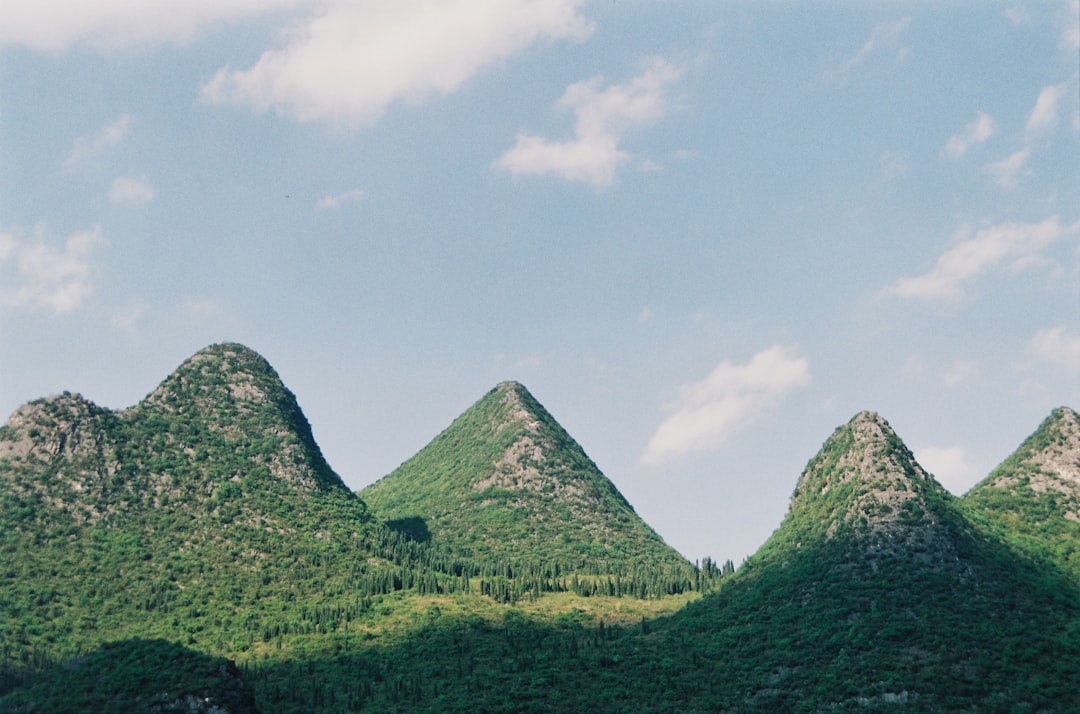
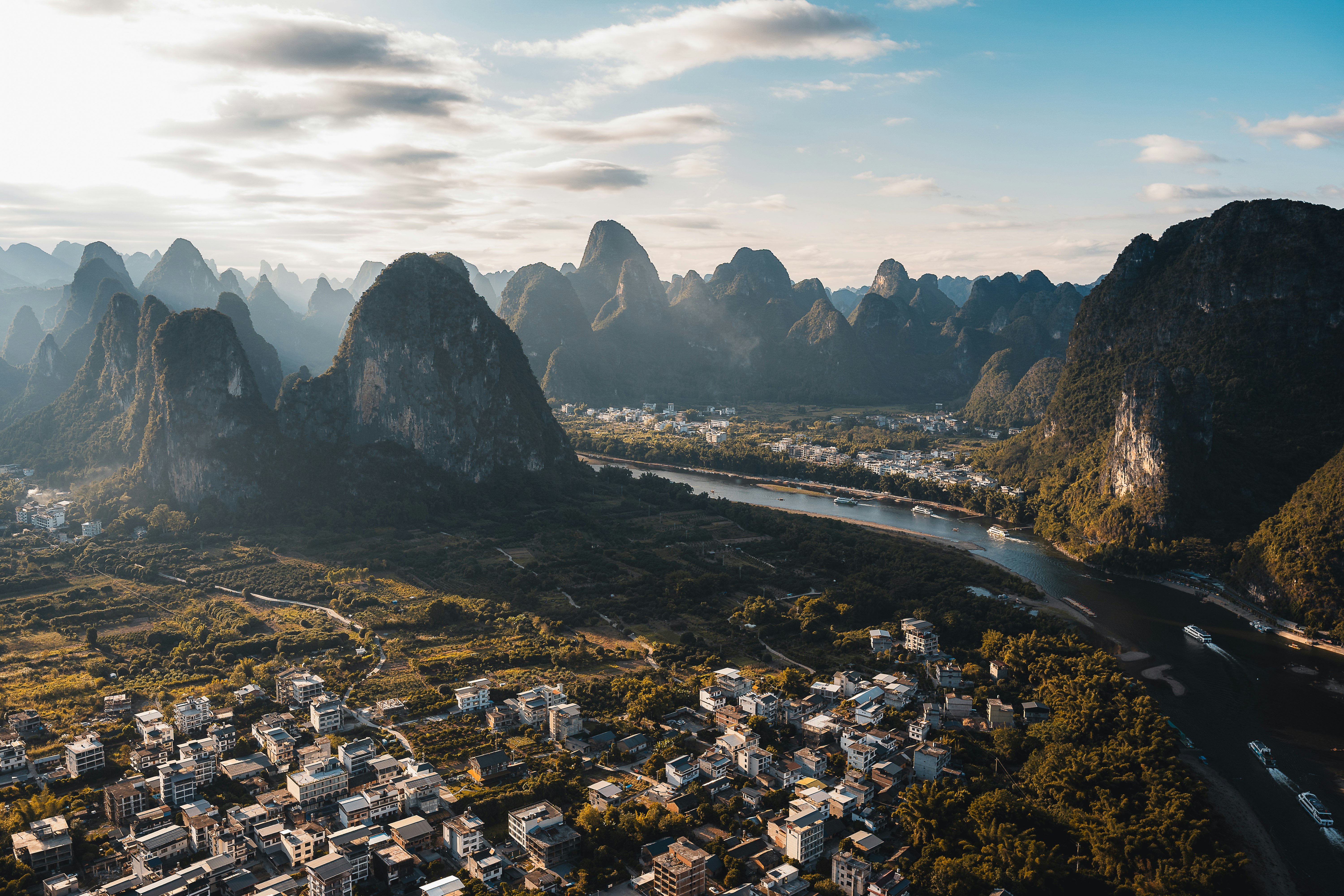
The landscape is equally spectacular—towering karst mountains, cascading terraced rice fields, misty river valleys, and pristine forests create a setting that seems frozen in time. Traditional wooden houses with gray-tiled roofs cluster on hillsides, connected by winding paths and elegant bridges that have stood for generations.
Key highlights include:
- The world's largest Miao village at Xijiang
- The "Three Drum Towers" of Chengyang
- Iconic wind and rain bridges unique to the Dong people
- The vibrant Long Table Banquets and silver jewelry craftsmanship
Qiandongnan offers an immersive experience in traditional Chinese minority culture that cannot be found anywhere else in the world.
Top Attractions
| Attraction | Type | Highlights | Best For |
|---|---|---|---|
| Xijiang Miao Village | Ethnic Village | Largest Miao settlement, 1,000+ households, terraced fields | Culture, photography, hiking |
| Zhaoxing Dong Village | Ethnic Village | Three Drum Towers, wind and rain bridge, traditional architecture | Architecture, cultural immersion |
| Wind and Rain Bridge | Bridge | Iconic covered bridges, Dong architectural masterpiece | Photography, architecture |
| Miao Silver Crown | Craft | Elaborate silver jewelry, traditional headdresses | Shopping, crafts, culture |
| Rongjiang | County | Jiaohu Village, Gaoshan Tea, traditional festivals | Off-the-beaten-path, authenticity |
Xijiang Miao Village (西江千户苗寨)
The largest Miao village in the world sits dramatically on the slopes of Leigong Mountain. This spectacular settlement comprises over 1,000 households housing approximately 5,000 people, earning it the nickname "thousand-household Miao Village."
The village offers a complete immersion into Miao culture. Wander through narrow alleyways lined with traditional wooden stilt houses, watch local women embroidered intricate silver jewelry, and sample homemade rice wine. The landscape is breathtaking—terraced rice fields cascade down the mountainside, often shrouded in morning mist.
Don't miss: The observation deck at sunset for panoramic views of the illuminated village; the Miao Silver Museum; the nightly performance of the "Four Diagonal" dance.
Zhaoxing Dong Village (肇兴侗寨)
One of the most important Dong villages in China, Zhaoxing is famous for its Five Drum Towers (Wutou Gulou)—five distinctive pagoda-style structures that serve as the social heart of the community. Each drum tower represents a different "branch" or clan of the village.
The village also features the iconic Zhaoxing Wind and Rain Bridge, an elaborate covered bridge spanning the river with its characteristic upturned eaves. The surrounding landscape of terraced fields and distant mountains creates a picture-perfect scene.
Zhaoxing remains relatively untouched by mass tourism compared to Xijiang, offering a more authentic glimpse into Dong daily life.
Wind and Rain Bridge (风雨桥)
The wind and rain bridge (Fengyu Qiao) is perhaps the most recognizable symbol of Dong architecture. These distinctive covered bridges—found throughout Qiandongnan—serve both practical and spiritual purposes.
Unlike ordinary bridges, wind and rain bridges feature:
- Wooden structures without nails (using mortise and tenon joints)
- Upturned eaves that resemble flying birds
- Pavilions for rest and social gathering
- Protective spirits believed to shield the bridge from wind and rain
The most photographed examples include the Chengyang Bridge near Sanbao and various bridges in Zhaoxing and Rongjiang.
Miao Silver Crown (苗族银冠)
The Miao silver crown represents the pinnacle of traditional Miao craftsmanship. These elaborate headdresses, worn primarily during festivals and weddings, can weigh several kilograms and feature intricate designs depicting dragons, phoenixes, and mythical creatures.
Each silver piece tells a story—symbols represent wishes for prosperity, happiness, and protection. The craftsmanship involved in hand-forging these pieces has been passed down through generations.
Where to buy: Xijiang's Silver Street, local craft shops in Rongjiang, and the Miao Silver Museum in Xijiang.
Rongjiang (从江县)
A hidden gem in Qiandongnan's northeast, Rongjiang County offers some of the most authentic cultural experiences in the region. This off-the-beaten-path destination is home to:
- Jiaohu Village: Famous for its "牛腿琴" (niutuiqin)—a unique lute made from a water buffalo leg bone
- Bawu Village: Features one of the oldest drum towers in the region
- Gaoshan Tea: High-mountain tea plantations producing premium green tea
Rongjiang sees far fewer tourists than Xijiang or Zhaoxing, making it ideal for travelers seeking genuine cultural exchange.
Local Food
| Dish | Type | Description | Where to Try |
|---|---|---|---|
| Sour Soup Fish (酸汤鱼) | Fish | Signature sour broth with fresh river fish, flavored with local herbs | Throughout Qiandongnan |
| Miao Sticky Rice (苗族糯米饭) | Rice | Glutinous rice steamed in bamboo tubes, often served with grilled meats | Village markets, Xijiang |
| Blood Tofu (血豆腐) | Tofu | Cubed tofu mixed with pig's blood and spices, then smoked | Local restaurants |
| Long Table Banquet (长桌宴) | Feast | Traditional communal feast with dozens of dishes served on long tables | Xijiang, Zhaoxing |
| Chilies Dipped in Wine (酒糟辣子) | Appetizer | Fermented chilies in rice wine, a beloved local snack | Throughout region |
Sour Soup Fish (酸汤鱼)
The unofficial dish of Guizhou, sour soup fish is a must-try specialty. Fresh fish from local rivers is cooked in a tangy broth made from fermented tomatoes and local herbs. The distinctive sour taste comes from wild berries and special fermentation techniques passed down through generations.
Best enjoyed hot from a clay pot, with fresh vegetables and the famous Miao rice noodles (米虾) served alongside.
Miao Sticky Rice (苗族糯米饭)
Glutinous rice is a staple of Miao cuisine, often prepared in traditional bamboo tubes over open flames. The rice absorbs the bamboo's fragrance, creating a unique smoky flavor.
Common accompaniments include:
- Grilled pork (烤猪肉)
- Pickled vegetables (酸菜)
- Chili sauce (辣椒酱)
Look for street vendors selling "bamboo tube rice" (竹筒饭) throughout the villages.
Blood Tofu (血豆腐)
A unique Dong specialty, blood tofu is made by mixing fresh tofu with pig's blood and various spices, then smoking the mixture over open fires. The result is a dense, flavorful cake that can be sliced and fried or added to stir-fries.
This traditional preserved food was historically important for sustenance during winter months.
Long Table Banquet (长桌宴)
The Long Table Banquet is the most festive way to experience Miao and Dong hospitality. Tables are arranged in a long line—sometimes stretching for hundreds of meters—creating a communal dining experience.
The feast typically includes:
- Salted pork and chicken
- Fresh river fish
- Sticky rice
- Homemade rice wine (自酿米酒)
- Various mountain vegetables
Guests are often invited to participate in the "高山流水" (high mountain flow) drinking ritual—where rice wine is poured from bowls held above the head, flowing into the guest's mouth. Participation is expected!
Chilies Dipped in Wine (酒糟辣子)
A beloved local snack and drinking accompaniment, these fermented chilies are preserved in rice wine, creating a spicy, tangy treat. They're sold at markets throughout Qiandongnan and make excellent souvenirs.
Best Time to Visit
| Season | Months | Weather | Pros | Cons |
|---|---|---|---|---|
| Spring | March-May | Mild, 15-25°C | Flowers bloom, terraced fields green, fewer tourists | Unpredictable rain |
| Summer | June-August | Warm, 25-35°C | Best for hiking, vibrant festivals | Peak season, hot & humid |
| Autumn | September-November | Cool, 15-25°C | Harvest season, golden rice terraces | Crowds during National Day |
| Winter | December-February | Cold, 5-15°C | Fewest tourists, atmospheric mist | Some attractions closed, cold |
Recommended: Late April to Early June
This period offers the best balance—comfortable temperatures, lush green landscapes from spring rains, and the opportunity to experience local festivals. The Miao Sisters' Festival (姑妈节) typically falls in spring, offering a unique cultural experience.
Avoid: Chinese National Day (October 1-7)
The entire region experiences massive crowds during this national holiday. If possible, plan your visit outside this period.
Getting There
By Air
The most convenient option is flying into Guiyang Longdongbao International Airport (贵阳龙洞堡机场), followed by ground transportation.
- Guiyang → Qiandongnan: 3-4 hours by bus or car
- Direct flights: Limited international connections; most travelers fly via Beijing, Shanghai, or Guangzhou
By Train
High-speed rail has made Qiandongnan much more accessible:
- Guiyang South → Rongjiang: ~2.5 hours (high-speed)
- Guiyang South → Qiandongnan (Kaili): ~1.5 hours
- From other major cities: Overnight trains from Guangzhou (8-10 hours)
The new Guiyang-Guangzhou high-speed rail passes through Qiandongnan, connecting major villages to provincial capitals.
By Bus
Long-distance buses connect Qiandongnan to neighboring provinces, but journeys can be lengthy:
- Guiyang → Kaili: 2-3 hours
- Kaili → Xijiang: 1 hour
- Kaili → Zhaoxing: 2 hours
Tip: Buses to major villages often depart from Kaili, the prefecture capital.
Getting Around
Within Qiandongnan
| Transport | Best For | Cost | Notes |
|---|---|---|---|
| Bus | Budget travelers | ¥20-50 | Frequent, but slow; good for main routes |
| Taxi/Private Car | Comfort & flexibility | ¥200-500/day | Negotiate price in advance; available in Kaili |
| Motorbike | Adventure seekers | ¥100-150/day | Rent in villages; requires experience |
| Local minibuses | Village-to-village | ¥5-20 | Frequent on popular routes |
Recommended: Private Car with Driver
For groups of 2 or more, hiring a private car with driver is highly recommended. It provides:
- Flexibility to stop at viewpoints
- Door-to-door service
- Local knowledge
- Comfortable transportation
Typical costs: ¥300-500 per day for a car that seats 4-6 passengers.
Practical Tips
Language
- Mandarin is widely understood in tourist areas
- English is rarely spoken outside major hotels
- Learning a few basic Mandarin phrases is essential
- Download an offline translation app
What to Pack
- Comfortable walking shoes (village paths are uneven)
- Rain gear (sudden showers are common)
- Layers (mornings and evenings can be cool)
- Insect repellent (mosquitoes in summer)
- Sunscreen (high altitude = strong sun)
- Small gifts (pens, candy for children—always welcome)
Cultural Etiquette
- Remove shoes when entering homes and temples
- Ask permission before photographing people, especially elders
- Accept offerings of tea or rice wine graciously (refusing can be offensive)
- Dress modestly (shoulders and knees covered, especially at festivals)
- Don't point feet at altar tables or at people
Health & Safety
- Tap water is not potable; buy bottled water
- Altitude is generally low (500-1,500m), but mountain roads can be winding
- Bring any necessary medications; pharmacies in villages are limited
- Travel insurance is strongly recommended
Accommodation
- Xijiang: Range from budget hostels (¥100) to boutique hotels (¥500+)
- Zhaoxing: Mostly family-run guesthouses (¥150-300)
- Rongjiang: Basic hotels and homestays (¥80-200)
- Book in advance during peak season and festivals
Related Destinations
| Destination | Distance from Qiandongnan | Specialty |
|---|---|---|
| Kaili | Prefecture capital | Gateway city, ethnic museums |
| Libo | 150km | Karst landscapes, Zhangjiang River |
| Rongjiang | 70km | Authentic Dong culture, off-the-beaten-path |
| Sandu | 60km | Water villages, boat rides |
| Danzhai | 50km | Hemudu (painted drum) culture |
Kaili — The Gateway
As the capital of Qiandongnan Prefecture, Kaili serves as the main transportation hub. While less visually striking than the villages, it offers excellent museums:
- Qiandongnan Museum (黔东南博物馆): Excellent ethnic culture exhibits
- Nationalities Museum: Traditional costumes and artifacts
Libo — Karst Wonderland
For nature lovers, Libo County in southern Guizhou offers stunning karst formations, the Zhangjiang River, and the famous Daxiagu (Big Cypress Gorge). Combine with Qiandongnan for a 7-10 day itinerary.
Discover the soul of China's ethnic minority heritage in Qiandongnan—where ancient traditions thrive against a backdrop of misty mountains and timeless villages.