FAQ
Why is Pingyao considered the best-preserved ancient city in China?
Pingyao is a UNESCO World Heritage Site recognized for its exceptional preservation of the Ming and Qing dynasty urban planning, architecture, and cultural heritage. Unlike other ancient Chinese cities that underwent extensive modernization, Pingyao retained its original grid layout, city walls, and traditional courtyard houses, offering visitors an authentic glimpse into imperial China.
What is Rishengchang and why is it significant?
Rishengchang (日升昌) was China's first bank, founded in 1823 during the Qing dynasty. Located in Pingyao, it pioneered the concept of draft notes and inter-regional financial transactions, establishing the foundations of modern Chinese banking. Today, it operates as a museum showcasing the history of Chinese finance and original accounting records.
How many days do I need in Pingyao?
One to two days are sufficient to explore Pingyao's main attractions. The ancient city is compact and walkable, allowing you to cover the key sites, enjoy the local cuisine, and experience the evening lantern-lit atmosphere within a short visit.
Is Pingyao less crowded than Xi'an?
Yes, significantly. Pingyao receives far fewer tourists than Xi'an, making it ideal for travelers seeking an authentic, uncrowded ancient Chinese city experience. Even during peak season, you can enjoy the streets and attractions without the overwhelming crowds found at more famous destinations.
Overview
Nestled in the heart of Shanxi Province, Pingyao (平遥古城) stands as one of China's most remarkable preserved ancient cities, offering an extraordinary journey back to the Ming and Qing dynasties. With over 2,700 years of history, this UNESCO World Heritage Site boasts the most complete ancient city walls, traditional architecture, and cultural heritage in all of China.
The 6-kilometer Ming-era city wall, built in 1370, encircles the old town in a perfectly preserved rectangle, rising 12 meters high with 72 watchtowers and 3,000 crenellations. Beyond its architectural significance, Pingyao holds a special place in Chinese financial history as the birthplace of the nation's banking system. The city's prosperity during the Qing dynasty, driven by its thriving banking industry, is still evident in the grand courtyard houses and merchant mansions that line its narrow streets.
Unlike the bustling tourist centers of Beijing or Xi'an, Pingyao retains a tranquil, authentic atmosphere where locals go about their daily lives amid centuries-old temples, traditional shophouses, and atmospheric lanes lit by red lanterns at night. The city offers a rare opportunity to experience traditional Chinese culture, cuisine, and hospitality in a setting that has changed remarkably little over the past 600 years.
Top Attractions
Pingyao City Wall
The crowning jewel of Pingyao, the ancient city wall dates to 1370 during the Ming dynasty and remains remarkably intact. The 6-kilometer perimeter encloses the old town in a perfect rectangle, with walls standing 12 meters tall and 5-6 meters wide at the top. Visitors can walk the entire circuit along the ramparts, passing 72 watchtowers and 3,000 crenellations that once defended against invaders. The six gates, each with its own name and historical significance, feature imposing gatehouses. Climbing to the top at sunset offers spectacular views over the red-tiled rooftops and rolling Shanxi countryside beyond. Allow 2-3 hours to fully explore the wall on foot.
Rishengchang (First Bank of China)
This historic site marks the birthplace of Chinese banking. Founded in 1823 by雷履泰 (Lei Lvtai), Rishengchang pioneered the use of draft notes (piaoju), allowing merchants to conduct business across China without transporting silver. The museum occupies a series of beautifully preserved courtyard buildings, displaying original ledgers, silver ingots, antique furniture, and the elaborate wooden vaults where fortune was stored. Guided tours in English explain the innovative financial systems developed here and their impact on Chinese commerce. Don't miss the intricate woodcarvings and traditional merchant decor throughout the complex.
Pingyao Government Office (Yamen)
The ancient administrative center of Pingyao County offers fascinating insights into imperial Chinese governance. This well-preserved complex includes the courthouse, magistrate's residence, detention center, and ceremonial halls. Visitors can explore the grim detention cells, view displays of ancient legal documents and torture instruments, and imagine the daily proceedings of county administration. The compound features traditional garden landscapes, ornate gatehouses, and detailed architectural woodwork. Plan for at least one hour to wander through the various halls and courtyards.
Zhenguo Temple
One of Pingyao's oldest and most significant religious sites, Zhenguo Temple (镇国寺) dates back to the 11th century and is a separate UNESCO World Heritage Site located just outside the city walls. The temple complex features magnificent Song dynasty wooden architecture, including the 万佛殿 (Ten Thousand Buddha Hall) with its original 11th-century beams and columns. The temple houses a remarkable collection of ancient Buddhist statues, murals, and cultural relics. The tranquil gardens and ancient cypress trees create a meditative atmosphere far from the tourist crowds. Allow 1-2 hours for a thorough visit.
Local Food
Pingyao Braised Beef (平遥牛肉)
The signature dish of Pingyao, this tender braised beef has been prepared using a secret recipe passed down for generations. The meat is slow-cooked in a broth of spices, soy sauce, and rock sugar, resulting in a melt-in-your-mouth texture with a savory-sweet flavor. Best enjoyed hot from the pot at local restaurants, it's often served sliced with the cooking sauce as a dipping accompaniment. Many shops along Ming Street sell vacuum-packed versions to take home.
Dao Xiao Noodles (刀削面)
Shanxi is famous for its knife-cut noodles, and Pingyao offers excellent examples of this beloved staple. The noodles are hand-cut from dough using a special technique, creating thick, chewy strips that absorb sauce beautifully. In Pingyao, they typically come topped with a savory tomato-based sauce, braised meat, or simple fried vegetables. Head to small noodle shops on West Street for an authentic, inexpensive bowl—watch the chefs skillfully slice the dough directly into boiling water.
Shanxi Acetic Noodles (酸汤面)
A local favorite, this tangy noodle soup features a sour broth made from fermented wheat bran water, giving it a distinctive sour-salty flavor unique to Shanxi cuisine. The thin noodles are typically served with shredded potatoes, bean sprouts, and sometimes meat. It's particularly satisfying on cooler days and can be found at casual eateries throughout the old town.
Walnut Cake (核桃饼)
A traditional Pingyao snack, these small cakes are filled with caramelized walnuts and honey, offering a sweet, nutty flavor. They make excellent souvenirs and can be found at bakeries and street vendors throughout the city. Best eaten fresh and warm.
Best Time to Visit
The ideal seasons for visiting Pingyao are spring (April-May) and autumn (September-October), when temperatures are comfortable and the city is adorned with seasonal colors. Spring brings mild weather and blooming flowers around the ancient streets, while autumn offers crisp air, golden foliage, and the famous Pingyao International Photography Festival in September.
Summer (June-August) brings hot temperatures and the peak domestic tourist season, though the old town's narrow streets and shaded courtyards provide some relief. Winter (November-March) sees fewer visitors, creating a peaceful atmosphere, but temperatures can drop below freezing, and some attractions have reduced hours.
For the best experience, aim for weekdays and avoid Chinese national holidays when domestic tourism surges. Early morning and late evening offer the most atmospheric views, with lantern-lit streets creating a magical setting.
Getting There
By High-Speed Rail
The most convenient way to reach Pingyao is via Pingyao Ancient City Station (平遥古城站), served by high-speed trains from major cities. From Taiyuan, the journey takes approximately 30-40 minutes; from Xi'an, about 3-4 hours. Trains also connect from Beijing, Shanghai, and Zhengzhou. The station is located about 8 kilometers from the old town, with shuttle buses and taxis available at the exit.
By Regular Train
Pingyao Railway Station (平遥站) serves regular (non-high-speed) trains and is located closer to the old town, about 2 kilometers from the South Gate. This station has connections to Beijing, Taiyuan, and other northern cities.
By Bus
Long-distance buses connect Pingyao with Taiyuan (approximately 1.5 hours), Xi'an, and other regional cities. Buses arrive at the Pingyao Bus Station near the South Gate.
Getting Around
The old town is entirely pedestrian-friendly and best explored on foot. Rickshaws and electric carts are available for those with mobility concerns or heavy luggage. Within the ancient city, everything is within walking distance—most attractions are located along the main four streets forming the grid layout.
Practical Tips
- Stay overnight in a traditional courtyard hotel to fully experience Pingyao's magic. The old town transforms in the evening when lanterns illuminate the streets and most day-trippers leave, creating a romantic, atmospheric setting.
- Purchase the integrated ticket (130 yuan) which covers entry to most attractions within the old town, including the city wall, Rishengchang, Government Office, and various temples and museums. It's valid for three days.
- Visit attractions early morning to avoid crowds, especially the city wall and Rishengchang.
- Negotiate prices at shops and for rickshaw rides outside tourist areas.
- Bring comfortable walking shoes—the cobblestone streets and city wall require good footwear.
- Learn basic Mandarin or download a translation app, as English signage is limited outside main attractions.
- Respect local customs when visiting temples—dress modestly and ask permission before photographing residents.
Related Destinations
- Taiyuan (1.5 hours by high-speed rail) — Capital of Shanxi Province, featuring the Shanxi Museum, Jinyuan Temple, and excellent Shanxi cuisine
- Xi'an (4 hours by high-speed rail) — Ancient capital with the Terracotta Warriors, city walls, and vibrant Muslim Quarter
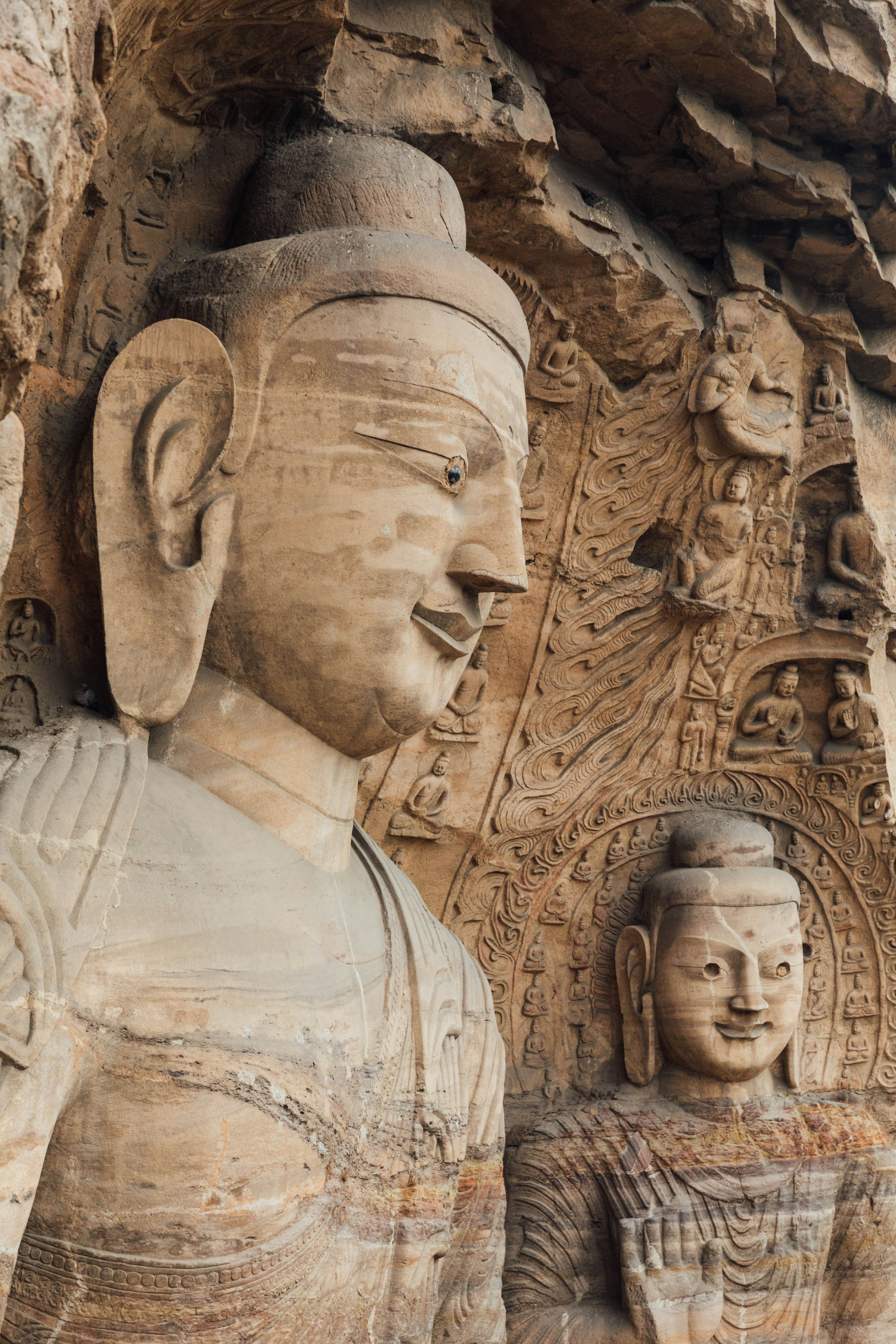
- Datong — Home to the stunning Yungang Grottoes and the ancient悬空寺 (Hanging Monastery)
- Pingyao Ancient City Station — Gateway to your exploration of this remarkable UNESCO World Heritage city