```
Mohe Travel Guide: China's Arctic Frontier
Overview
Welcome to Mohe (漠河), China's northernmost city and the gateway to the Arctic. Located in the far north of Heilongjiang Province, bordering Russia, Mohe is often referred to as the "Arctic Capital of China" (中国的北极城). This remote frontier region offers visitors an extraordinary combination of natural wonders, extreme weather experiences, and unique cultural encounters.
The area sits at latitudes between 52°10' and 53°33' north—further north than most of Europe—and experiences some of the most extreme temperatures in China, with winter lows reaching -50°C (-58°F). Despite (or perhaps because of) these harsh conditions, Mohe attracts travelers from across China and beyond who come to witness the Northern Lights (极光), explore vast taiga forests, and experience authentic Arctic village life.
Beyond its natural attractions, Mohe holds significant cultural importance as the home of China's northernmost postal service, power station, and hospital. The region is also traditionally inhabited by the Ewenki and Daur ethnic groups, whose reindeer-herding traditions add a fascinating cultural dimension to any visit.
FAQ
When is the best time to see the Northern Lights in Mohe?
The Northern Lights are most visible from September to March, with peak season occurring between November and February. The long winter nights and clear skies create optimal viewing conditions. However, temperatures during this period can drop to -40°C or lower.
How cold does it really get in Mohe?
Mohe is one of the coldest places in China. Winter temperatures regularly drop to -30°C to -50°C (-22°F to -58°F). Summer is relatively mild, with temperatures ranging from 15°C to 25°C (59°F to 77°F).
Do I need a visa to visit Mohe?
No special visa is required for visiting Mohe as it's entirely within China. However, if you wish to cross into Russia from Mohe, you would need an appropriate visa. The Russian border town of Blagoveshchensk is visible from certain viewpoints.
Is Mohe suitable for families with children?
Mohe can be challenging for young children due to extreme cold in winter. The best time for families is summer (June-August) when temperatures are moderate and outdoor activities are more accessible.
How many days do I need in Mohe?
A minimum of 3-4 days is recommended to explore the main attractions. For a more relaxed experience with aurora hunting, plan for 5-7 days.
Can I see the midnight sun in Mohe?
Yes! During summer (around June 21st), Mohe experiences nearly 17 hours of daylight, with the sun visible from around 3:30 AM to 8:30 PM.
Top Attractions
| Attraction | Chinese Name | Description | Best Time to Visit |
|---|---|---|---|
| Arctic Village | 北极村 | The flagship tourist destination, China's northernmost village. Offers excellent aurora viewing opportunities, iconic "North Pole" monuments, and traditional northern architecture. | Sep-Mar (aurora), Jun-Aug (comfort) |
| Beiji Village | 北极村 | Often used interchangeably with Arctic Village, this area encompasses multiple viewing spots for the Northern Lights and the famous "Beiji Guangchang" (Arctic Square). | Year-round |
| Mohe Forest | 漠河森林 | Vast expanse of pristine taiga forest featuring ancient pines, birches, and diverse wildlife. Includes forest hiking trails and the famous "No. 1 Forest Park." | Jun-Oct |
| Wuerkali | 五大连池 | A group of five interconnected volcanic lakes formed around 2 million years ago. Offers unique geological formations, mineral springs, and scenic beauty. | May-Oct |
| Longzin Bridge | 龙津桥 | An iconic railway bridge with historical significance. The red iron bridge contrasts beautifully with the snowy landscape in winter. | Year-round |
Arctic Village (北极村)
The crown jewel of Mohe's tourism, Arctic Village is China's northernmost inhabited area and the most popular destination for aurora hunters. The village sits on the banks of the Amur River (Heilongjiang), directly across from Russia's Blagoveshchensk.
Highlights include:
- The "North Pole Monument" (北极标志)—an enormous compass pointing to the North Pole
- Arctic Square (北极广场)—the gathering point for New Year's Eve celebrations
- Traditional wooden houses with heated kang beds
- Reindeer farms where you can interact with domesticated reindeer
- The northernmost post office in China, where you can send unique Arctic-themed postcards
Beiji Village
While often considered part of the same area as Arctic Village, Beiji Village refers specifically to the northernmost residential area and offers several dedicated aurora viewing platforms away from light pollution. The name literally means "Northern Extremity," and standing here, you're as far north as you can get within China's borders.
Mohe Forest
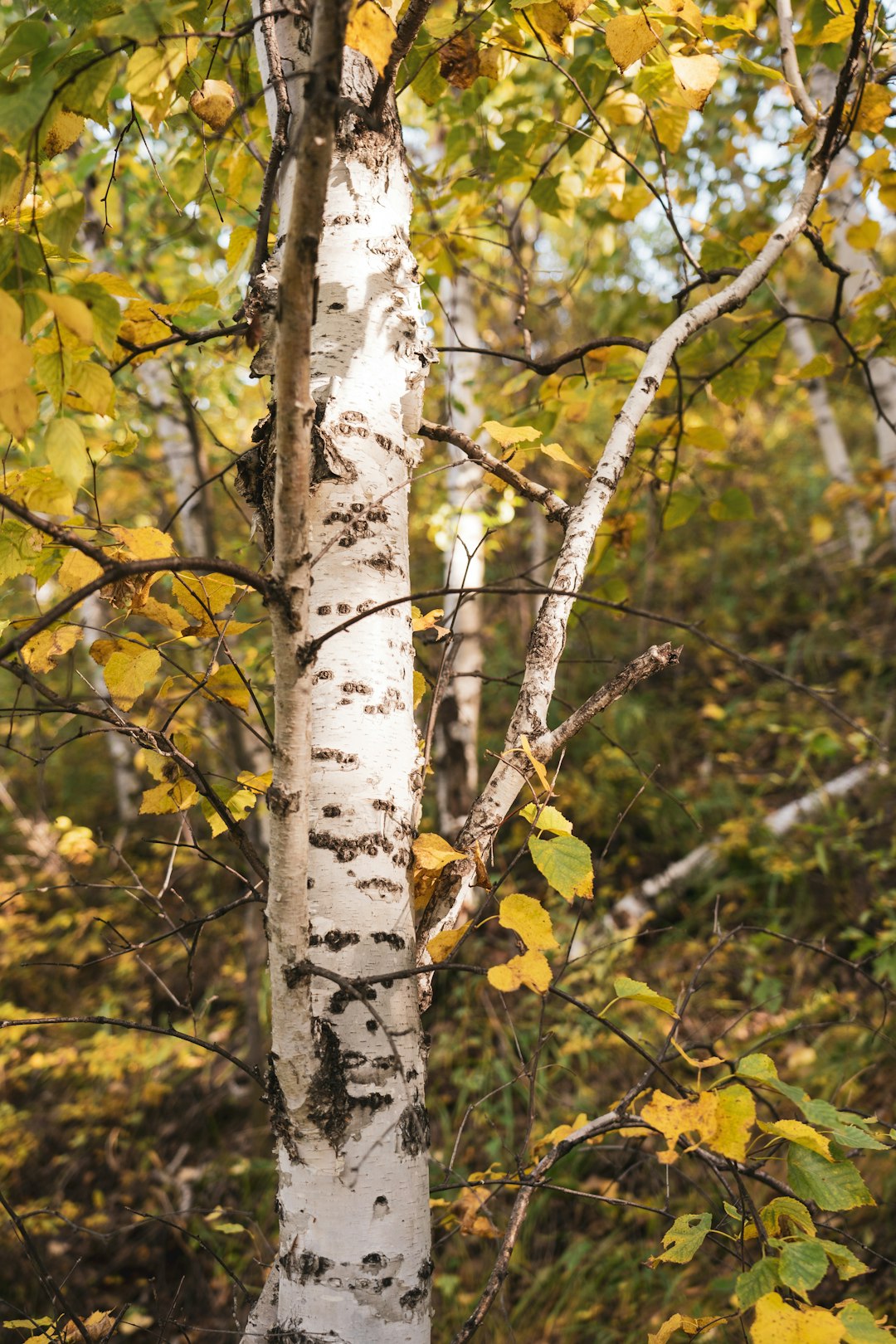
The Mohe Forest region encompasses thousands of square kilometers of untouched taiga forest—the largest remaining pristine forest in China. The forest is home to rare species including the Siberian tiger, sika deer, and black bears.
Popular activities:
- Forest hiking on marked trails
- Photography of ancient trees and wildlife
- Collecting wild berries and mushrooms (in season)
- Winter snowmobile tours through the forest
Wuerkali (Five Dragon Lakes)
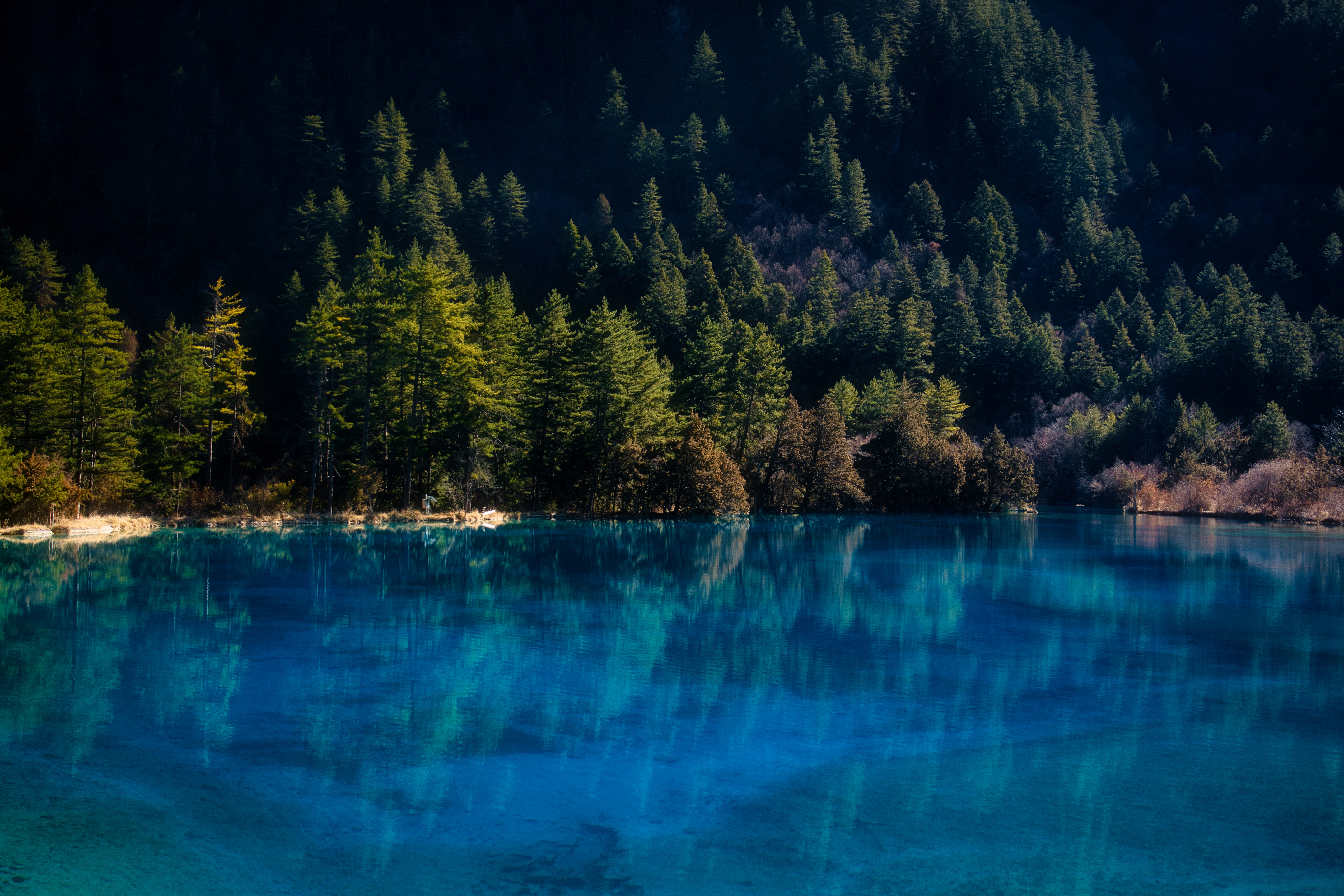
Wuerkali is a geological wonder—a cluster of five volcanic crater lakes connected by small rivers. The area features:
- Unique volcanic topography with lava formations
- Mineral-rich hot springs
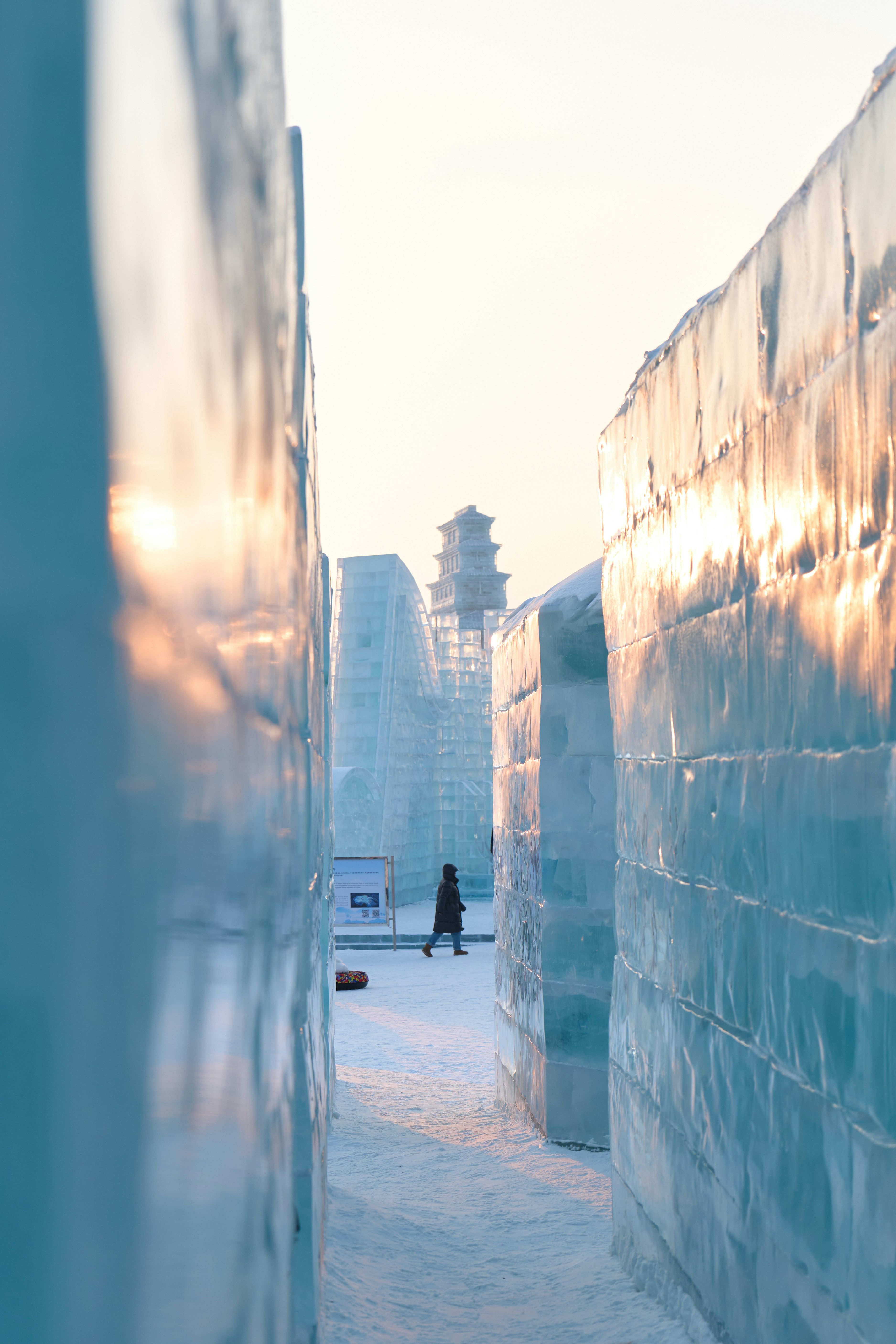
- The famous "Ice and Snow Hot Spring" experience—bathing in hot springs while snow falls around you
- Scenic walking trails around each lake
Longzin Bridge
The Longzin Bridge is an architectural landmark built during the Japanese occupation in the 1930s. The 300-meter red iron bridge spans the Amur River and offers panoramic views of the Russian side. In winter, the frozen river creates a unique cross-border ice road.
Local Food
| Dish | Chinese Name | Description |
|---|---|---|
| Frozen Dumplings | 冻饺子 | Handmade dumplings frozen outdoors in the extreme cold, then boiled and served. A traditional winter food that keeps well in the sub-zero temperatures. |
| Reindeer Meat | 驯鹿肉 | Lean, gamey meat from locally raised reindeer. Often served grilled, in stews, or as jerky. A unique Arctic specialty. |
| Wild Mushroom Stew | 野生蘑菇炖菜 | Hearty stew made with foraged forest mushrooms (shiitake, matsutake, chanterelles) slow-cooked with local vegetables and herbs. |
| Fish Hotpot | 鱼火锅 | Freshwater fish from the Amur River, cooked in a spicy or mild broth with vegetables, tofu, and regional noodles. |
| Birch Juice | 桦树汁 | Refreshing, slightly sweet sap tapped from birch trees in spring. Rich in minerals and vitamins, served chilled. |
Must-Try Experiences
- Ice Wine (冰酒) — Mohe produces unique ice wine from grapes frozen on the vine
- Air-Dried Meat (风干肉) — Beef or game air-dried in the freezing winter air
- Forest Tea (森林茶) — Herbal teas made from foraged berries and leaves
Best Time to Visit
| Season | Months | Avg Temperature | Highlights | Tips |
|---|---|---|---|---|
| Winter | Dec-Feb | -25°C to -40°C | Northern Lights, ice sculptures, snow activities, extreme cold experiences | Book accommodations early; bring extreme cold gear |
| Spring | Mar-May | -10°C to 15°C | Thawing rivers, wildlife awakening, fewer tourists | Unpredictable weather; some attractions may have limited access |
| Summer | Jun-Aug | 15°C to 25°C | Midnight sun, forest hiking, comfortable temperatures, flower blooms | Peak tourist season; book ahead |
| Autumn | Sep-Nov | 0°C to 15°C | Autumn foliage, aurora season begins, harvest season | Best balance of weather and aurora opportunities |
Getting There
By Air
Mohe Gulian Airport (漠河古莲机场) is the main gateway to the region.
- From Harbin: Direct flights take approximately 2 hours. Multiple daily departures.
- From Beijing: Daily flights via Harbin (total travel time ~4-5 hours)
- From other cities: Seasonal connections from Shanghai, Guangzhou, and other major cities
Airport to city center: Taxis and airport shuttles are available (approximately 30 minutes to Mohe city).
By Train
The Mohe Railway Station (漠河站) connects to major northeastern cities.
- From Harbin: Overnight sleeper trains (12-15 hours), departing daily
- From Qiqihar: Approximately 10 hours
- The train journey itself is scenic, passing through vast forests and frozen landscapes
By Road
Long-distance buses connect Mohe to larger cities in Heilongjiang, but travel times are long (8-12 hours from Harbin). Driving is possible but not recommended in winter due to icy conditions.
Getting Around
Within Mohe
- Local buses: Affordable but limited routes; suitable for reaching main attractions
- Taxis: Readily available in Mohe city; negotiate fares for longer trips
- Tour buses: Package tours including transport to attractions are widely available
To Attractions
| Route | Transport Options | Duration |
|---|---|---|
| Mohe City → Arctic Village | Bus/Taxi | 1.5 hours |
| Mohe City → Wuerkali | Bus/Tour | 2 hours |
| Mohe City → Mohe Forest | Taxi/Tour | 30 minutes |
| Arctic Village → Beiji Village | Walk/Taxi | 20 minutes |
Car Rental
Self-driving is possible but requires a 4WD vehicle with winter tires in cold months. Roads can be icy and snow-covered from October to April.
Practical Tips
What to Pack
Winter (November-March):
- Insulated winter boots rated for -40°C
- Thermal base layers (merino wool or synthetic)
- Insulated down jacket
- Fur-lined hat and balaclava
- Insulated gloves (waterproof)
- Hand and foot warmers
- Lip balm and moisturizer (cold air is extremely dry)
- Portable power bank (batteries drain quickly in cold)
Summer (June-August):
- Light layers for variable weather
- Rain jacket
- Comfortable hiking boots
- Sunscreen and insect repellent
- Long sleeves for forest walks
Language
Mandarin Chinese is spoken everywhere. English signage is limited outside major attractions. Consider downloading a translation app or carrying a phrasebook.
Connectivity
- Mobile networks: Coverage is good in populated areas; limited in forests
- WiFi: Available in most hotels and restaurants in Mohe city and Arctic Village
- SIM card: Chinese SIM cards work well; consider purchasing at the airport
Money
- ATM availability: Limited in remote areas; bring sufficient cash
- Mobile payment: Alipay and WeChat Pay are widely accepted in Mohe city and tourist areas
- Credit cards: Not always accepted; cash is essential
Health & Safety
- Frostbite risk: Exposed skin can freeze in minutes during extreme cold
- Altitude: Mohe sits at 300-600m elevation; minimal altitude concerns
- Medical facilities: Basic facilities in Mohe city; serious cases require evacuation to Harbin
- Travel insurance: Highly recommended; ensure coverage for winter sports and cold-related injuries
Cultural Etiquette
- Remove shoes when entering homes and some restaurants
- Accept offerings of tea or food when visiting local homes
- Ask permission before photographing local people, especially ethnic minorities
- Respect reindeer and other animals at farms
Related Destinations
| Destination | Distance from Mohe | Highlights |
|---|---|---|
| Harbin | 700 km south | Famous Ice and Snow World, Russian architecture, Central Street |
| Hulunbuir | 500 km west | Vast grasslands, Genghis Khan's birthplace, Russian border culture |
| Jiayuguan | 3,000 km west | Western terminus of the Great Wall |
| Heihe | 200 km east | Chinese border city across from Russia's Blagoveshchensk |
| Qiqihar | 400 km south | Historical city, Zhalong Nature Reserve for red-crowned cranes |
Conclusion
Mohe offers an experience unlike anywhere else in China—a true Arctic wilderness at the nation's doorstep. Whether you're chasing the Northern Lights across frozen skies, hiking through pristine taiga forests, or simply standing at China's northernmost point, Mohe delivers unforgettable memories of China's last great frontier.
The extreme cold of winter might seem daunting, but for those who embrace it, the rewards are magical: dancing auroras, crystal-clear starry nights, and the profound silence of the northern forests. Summer reveals a gentler side—a land of endless daylight, wildflowers, and outdoor adventure.
Come prepared, respect the elements, and discover why Mohe is truly China's Arctic crown jewel.
Have you visited Mohe? Share your aurora sighting tips or favorite experiences in the comments below!