Luoyang Travel Guide
Thirteen ancient dynasties called this city home. Two thousand years of Buddhist devotion carved into cliff faces. The birthplace of Kung Fu. Welcome to Luoyang.
Frequently Asked Questions
What makes Longmen Grottoes a UNESCO World Heritage Site?
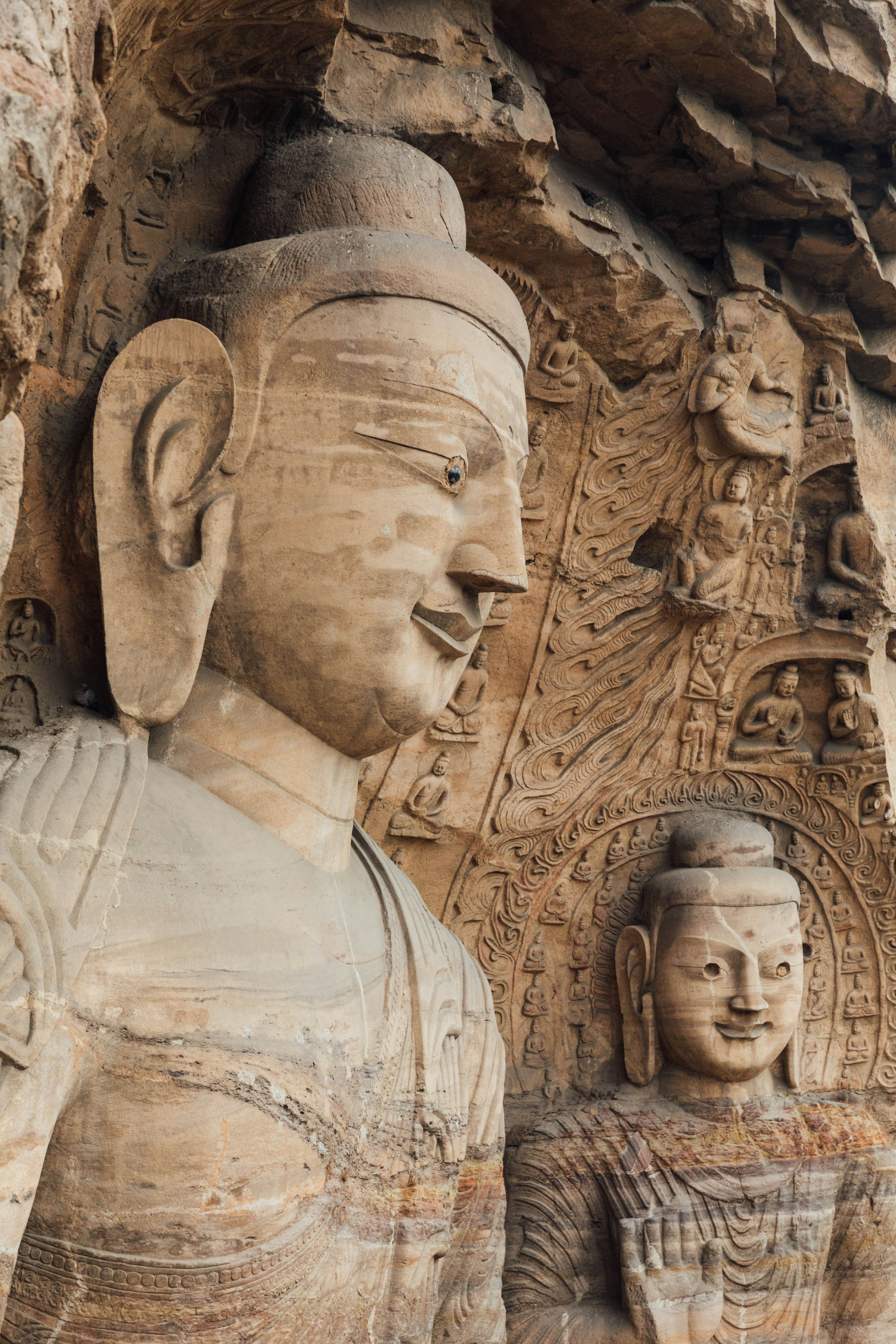
The Longmen Grottoes (龙门石窟) represent one of China's most magnificent artistic achievements. Carved into the limestone cliffs along the Yi River over approximately 400 years, these caves contain over 100,000 Buddhist statues ranging from tiny 2-centimeter figures to the massive 17-meter Vairocana Buddha. The grottoes showcase the pinnacle of Chinese stone carving from the Northern Wei to Tang dynasty periods, with intricate reliefs, inscriptions, and architectural details that earned their UNESCO status in 2000.
How far is Shaolin Temple from Luoyang city center?
The famous Shaolin Temple (少林寺), birthplace of Chinese Kung Fu and Zen Buddhism, is located approximately 90 kilometers (56 miles) southwest of Luoyang. By car or bus, the journey takes about 1.5 hours. Day trips from Luoyang are highly popular, with many tour operators and public buses making the pilgrimage to witness the legendary martial arts demonstrations.
When is the best time to visit Luoyang?
April is the optimal time to visit Luoyang, coinciding with the world-famous Peony Festival (牡丹花会). Held annually during the flowering season, this month-long celebration transforms the city into a sea of color, with millions of peonies blooming in gardens, parks, and throughout the historic areas. The weather is pleasant (15-25°C / 59-77°F), making it ideal for exploring outdoor attractions like the Longmen Grottoes.
Overview
Luoyang (洛阳), the capital of Henan Province with a population of approximately 7 million, stands as one of China's Four Great Ancient Capitals alongside Beijing, Nanjing, and Xi'an. This city bears witness to over 5,000 years of continuous civilization, having served as the capital for thirteen different dynasties—more than any other Chinese city.
Located in the heart of China's Central Plains, Luoyang's strategic position along the ancient Silk Road made it a crucible for cultural exchange, religious diffusion, and artistic development. Today, the city seamlessly blends its extraordinary historical heritage with modern urban life, offering visitors an unparalleled journey through Chinese civilization.
Top Attractions
🗿 Longmen Grottoes (龙门石窟)
The Longmen Grottoes are the crown jewel of Luoyang's attractions and a must-see for any visitor to China. Located about 12 kilometers south of the city center, these cliff-side caves represent one of the world's largest and most significant collections of Buddhist art.
What to see:
- Fengxian Temple (奉先寺): The largest and most magnificent cave, featuring the massive 17-meter tall Vairocana Buddha flanked by弟子 (disciples), bodhisattvas, and protective deities
- Guyang Cave (古阳洞): One of the earliest caves, dating to 509 AD, with exquisite carvings and numerous inscriptions
- Ten Thousand Buddhas Cave (万佛洞): Named for the thousands of small Buddha figures carved throughout
- Lotus Flower Cave (莲花洞): Features a stunning lotus flower carved in the ceiling dome
Visitor tips:
- Allow 2-3 hours for a thorough visit
- Wear comfortable shoes—there's significant walking and some stair climbing
- Visit in the morning to avoid crowds and harsh afternoon sun
- The evening light show (when available) illuminates the caves dramatically
🥋 Shaolin Temple (少林寺)
The Shaolin Temple needs no introduction to Kung Fu enthusiasts worldwide. Founded in 495 AD during the Northern Wei dynasty, this monastery is recognized as the birthplace of Chinese martial arts and the Zen Buddhist tradition.
Highlights:
- Kung Fu Demonstrations: Daily performances (typically at 9:00, 10:30, 14:00, and 15:30) showcase incredible martial arts skills including Shaolin staff, sword, boxing, and qigong
- Pagoda Forest (塔林): A cemetery for eminent monks featuring over 240 stone pagodas of various sizes and styles
- Zhongyue Temple (中岳庙): The temple's location at the foot of Songshan Mountain adds spiritual grandeur
- Mount Song (嵩山): The sacred mountain offers hiking trails and additional historical sites
Getting there: Regular buses depart from Luoyang's bus stations; alternatively, book through your hotel or use a ride-hailing app. The 1.5-hour journey passes through scenic countryside.
🏮 Luoyang Old Town (洛阳老城)
Step back in time in Luoyang's Old Town, a remarkably preserved district featuring Tang Dynasty-era streets, traditional courtyard homes, and lively markets.
Must-see areas:
- Shengmen Gate (丽景门): The grand entrance to the old town, especially beautiful at night when illuminated
- Dongguan Street (东大街): The main thoroughfare lined with traditional architecture, teahouses, and souvenir shops
- Ancient City Night Market: Comes alive in the evenings with street food, performances, and local crafts
Experience: Stroll through narrow alleyways, admire preserved Qing Dynasty courtyard houses, sample local snacks, and soak in the atmosphere of old China. The old town is particularly magical during festivals like Chinese New Year and the Lantern Festival.
🛕 White Horse Temple (白马寺)
Just 12 kilometers east of downtown Luoyang lies White Horse Temple, officially recognized as China's first Buddhist temple, founded in 68 AD during the Eastern Han dynasty.
Historical significance:
According to tradition, Emperor Ming sent envoys to India to learn about Buddhism. Upon their return, they brought Buddhist scriptures on white horses—hence the temple's name. The temple served as the imperial seat of Buddhist translation and study for centuries.
What to explore:
- Qingyan Gate (山门): The original Ming dynasty entrance gate
- Great Tang Laoqian Temple (大唐西苑): A replica of the ancient Indian temple complex
- Korean Buddhist Temple: A gift from Korean Buddhists, showcasing international influence
- Vietnamese Buddhist Temple: Another international addition reflecting Buddhism's global reach
- Ancient Bell Tower: Houses a massive bronze bell dating to the Song dynasty
Local Food
Luoyang's culinary tradition is legendary, offering some of Henan Province's most distinctive dishes.
🍽️ Water Banquet (水席)
The Water Banquet (水席) is Luoyang's most famous culinary tradition—a elaborate 24-course dinner where nearly every dish contains broth or is served in soup. "Water" refers to the soupy nature of the dishes, while "banquet" denotes the formal, multi-course structure.
Traditional sequence:
- Four Farewells (四镇桌): Opening dishes featuring premium ingredients
- Eight Supports (八中四): Main courses alternating between savory and sweet
- Four Endings (四扫尾): Concluding dishes
Signature dishes:
- Luoyang Water Banquet Stewed Chicken (洛阳水席罐鸡): Tender chicken slow-cooked in aromatic broth
- Peony Swallow's Nest (牡丹燕菜): A decorative dish featuring shredded chicken and seaweed
- Suanshi Soup (酸汤): Tangy and refreshing
Where to try: Head to Jia Qian Restaurant (假钱饭店) or Guan Zhong Restaurant (管中饭店) for authentic Water Banquet experiences. Many restaurants offer abbreviated versions if the full 24-course seems overwhelming.
🍜 Dao Xiao Noodles (刀削面)
Dao Xiao Noodles are a Northern Chinese staple, but Luoyang's version carries unique local characteristics. These hand-cut noodles are carved directly from dough into boiling water, creating thick, chewy strips that perfectly absorb savory sauces.
Variations:
- Tomato Egg Dao Xiao (番茄鸡蛋刀削面): A comforting, popular version
- Spicy Beef Dao Xiao (牛肉刀削面): For those who enjoy heat
- Mixed Vegetable Dao Xiao (素什锦刀削面): Light and healthy option
Where to eat: Street stalls and small restaurants throughout the city serve excellent dao xiao. Look for establishments with large pots of boiling water and skilled noodle chefs.
🍡 Additional Local Specialties
- Luoyang Mutton Soup (洛阳羊肉汤): Rich, aromatic breakfast soup
- Peony Peaches (牡丹桃): Peach varieties specific to the region, often enjoyed fresh or in desserts
- Huanghelou Stewed Noodles (烩面): Hearty wheat noodles in thick, savory broth
Best Time to Visit
🌸 April: The Peony Festival
April is unequivocally the best time to visit Luoyang. The city hosts its annual Peony Festival (牡丹花会), a month-long celebration (typically April 1-25) that draws millions of visitors to witness the spectacular bloom of peonies across the city.
Why April is ideal:
- Peak Peony Bloom: Gardens like Wangcheng Park (王城公园), Luoyang National Peony Garden, and China National Peony Garden display millions of peonies in every conceivable color
- Pleasant Weather: Temperatures range from 15-25°C (59-77°F)—perfect for sightseeing
- Cultural Events: Performances, exhibitions, and traditional activities throughout the city
- Photography Opportunities: The combination of ancient architecture and blooming peonies creates stunning visuals
Booking note: Hotels fill quickly during Peony Festival; book well in advance.
Other Seasons
| Season | Pros | Cons |
|---|---|---|
| March-May | Pleasant weather, peonies in April | Peak crowds during festival |
| June-August | Long days, green landscapes | Hot, humid, rain season |
| September-November | Autumn colors, comfortable temps | Fewer flowers, some closures |
| December-February | Fewer tourists, winter scenery | Cold temperatures, short days |
Getting There
✈️ By Air
Luoyang Beijiao Airport (洛阳北郊机场) serves domestic flights from major Chinese cities including Beijing, Shanghai, Guangzhou, and Shenzhen. International connections are limited; most international visitors transit through Beijing, Shanghai, or Zhengzhou.
Airport to city center:
- Taxi/Ride-hailing: 30-40 minutes, approximately ¥80-100
- Airport Bus: Regular buses to city center, approximately ¥15-20, 40-50 minutes
🚄 By High-Speed Rail
Luoyang is well-connected to China's extensive high-speed rail network.
Major routes:
- From Xi'an: Approximately 1 hour (fastest option)
- From Zhengzhou: Approximately 40 minutes
- From Beijing: Approximately 4-5 hours
- From Shanghai: Approximately 6-7 hours
Stations:
- Luoyang Longmen Station (洛阳龙门站): High-speed rail hub, located south of the city
- Luoyang Station (洛阳站): Regular train services
🚌 By Bus
Long-distance buses connect Luoyang with neighboring cities and provinces. Bus stations include:
- Luoyang Bus Station (洛阳汽车站): Major hub for inter-city routes
- Luoyang South Bus Station (洛阳汽车南站): Services to southern destinations
Practical Tips
🎫 Booking Recommendations
- Longmen Grottoes: Book tickets online in advance via official channels or platforms like Ctrip. This saves queuing and ensures entry during peak season. Combined tickets including the grottoes and other attractions are available.
- Shaolin Temple: Same-day tickets usually available, but booking ahead is recommended during weekends and holidays.
- Peony Festival: Reserve accommodation 2-3 weeks in advance for April visits.
💡 Helpful Hints
- Download apps: WeChat and Alipay are essential for payments; Baidu Maps or Gaode Maps for navigation
- Hire a guide: For Longmen Grottoes, consider a local guide to fully appreciate the historical and artistic significance
- Wear modest clothing: When visiting temples, cover shoulders and knees
- Bring water: Long outdoor visits require hydration, especially in summer
- Learn basic Mandarin: English is limited outside tourist sites
- Carry cash: Smaller vendors and some restaurants may not accept mobile payments
📍 Getting Around
- Taxi/Ride-hailing: Affordable and convenient; use Didi (Chinese Uber)
- Bus: Extensive network, but can be crowded and confusing for visitors
- Subway: Luoyang's metro system is expanding; currently covers major tourist areas
- Bicycle: Shared bike services (Mobike, Ofo) available for short trips
Related Destinations
🏯 Xi'an (1 hour by high-speed rail)
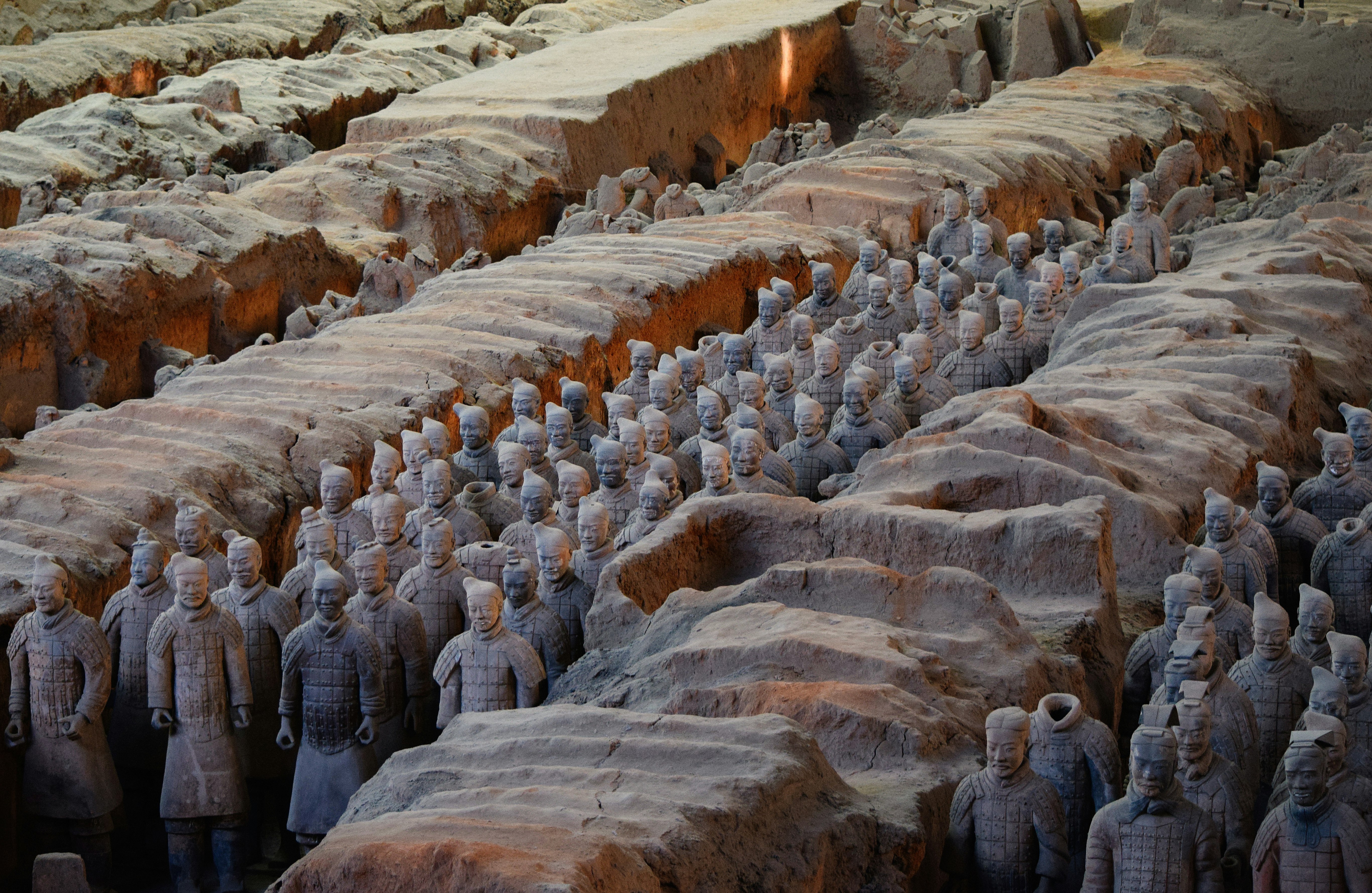
The ancient capital that rivals Luoyang's historical significance. Home to the Terracotta Army, Great Wild Goose Pagoda, and remarkably preserved City Wall. Xi'an makes an excellent combination with Luoyang—many travelers visit both cities in a single trip.
Highlights:
- Terracotta Warriors Museum
- Muslim Quarter food street
- Tang Dynasty shows
🏙️ Zhengzhou (40 minutes by high-speed rail)
The capital of Henan Province and a major transportation hub. While less touristy than Luoyang, Zhengzhou offers insights into modern Chinese urban life and serves as a gateway to other attractions in the province.
Highlights:
- Henan Provincial Museum
- Zongzhou Park
- Shopping and local cuisine
Conclusion
Luoyang offers an extraordinary window into Chinese civilization—from the ancient Buddhist carvings at Longmen Grottoes to the living martial arts tradition at Shaolin Temple, from the imperial elegance of the Peony Festival to the authentic flavors of the Water Banquet. Whether you're a history enthusiast, a martial arts fan, or simply a traveler seeking authentic Chinese culture, Luoyang delivers an unforgettable experience.
This ancient capital, with its 5,000 years of continuous history, remains vibrantly alive—a city where every street corner reveals another chapter of China's remarkable past.
Have you visited Luoyang? Share your experiences in the comments below!