Lijiang Travel Guide
"A living museum of Naxi culture, where ancient waterways still sing beneath cobblestone bridges and the snow-capped Jade Dragon watches over 800 years of history."
Overview
Nestled in the heart of Yunnan Province in southwestern China, Lijiang is a city that seems suspended between centuries. Once the capital of the ancient Naxi Kingdom, this UNESCO World Heritage Site has preserved its architectural grandeur and cultural identity for over 800 years.
At an elevation of approximately 2,400-2,500 meters above sea level, Lijiang enjoys a mild climate year-round, making it an inviting destination for travelers seeking to escape the extremes of China's more crowded tourist hubs. The city serves as the primary gateway to the legendary Shangri-La region and offers access to some of Yunnan Province's most spectacular natural wonders.
The Naxi people, one of China's 56 ethnic groups, have called this region home for centuries. Their unique Dongba religion, matriarchal traditions, and architectural wisdom have earned Lijiang recognition as one of China's most culturally significant destinations.
Why Visit Lijiang?
Lijiang occupies a special place in China's cultural landscape for several compelling reasons:
- UNESCO World Heritage Status: The Old Town of Lijiang was inscribed on the UNESCO World Heritage List in 1997, recognized for its outstanding example of cities built on water infrastructure that has evolved over 1,000 years
- Intact Traditional Architecture: Unlike many ancient Chinese cities, Lijiang's old town escaped the destruction of the Cultural Revolution, preserving its Ming and Qing dynasty-era buildings
- Cultural Diversity: The region is home to not only the Naxi but also Yi, Bai, and Tibetan minorities, creating a rich tapestry of traditions
- Natural Beauty: From the towering Jade Dragon Snow Mountain to the dramatic Tiger Leaping Gorge, Lijiang offers access to some of China's most breathtaking landscapes
Frequently Asked Questions
Why is Lijiang a UNESCO World Heritage Site?
Lijiang's Old Town earned UNESCO World Heritage status primarily for its exceptional water management system and traditional Naxi architecture. The town's unique design features:
- An intricate network of canals and bridges built during the Tang Dynasty (618-907 AD)
- Residential compounds that harmonize with the natural landscape
- The only surviving examples of the Dongba script, one of the world's few pictographic writing systems
- A layout that demonstrates sophisticated understanding of Feng Shui principles
The UNESCO committee specifically noted that Lijiang represents "a traditional urban settlement in a remote mountain area of China" that has "continued to develop and adapt while retaining its original structure, character and sense of identity."
What makes Naxi culture unique?
The Naxi people (纳西族) possess one of China's most distinctive ethnic cultures:
Dongba Religion: The Naxi practice Dongba (东巴), an ancient religion that blends animism, shamanism, and Buddhism. Dongba priests (dongbas) are the custodians of one of the world's few living pictographic writing systems, with manuscripts dating back over 1,000 years.
Matriarchal Traditions: The Naxi are one of the few Chinese ethnic groups with matriarchal influences. Women traditionally hold significant economic power, and the famous "walking marriages" (zou hun) of the Mosuo people—though not practiced by Naxi—demonstrate the region's progressive gender dynamics.
Architecture: Naxi architectural wisdom is evident in their "three courtyards and one screen" (三坊一照壁) house design, which optimizes natural light and ventilation while creating private family spaces.
Music: The Naxi ancient music, known as Baisha Xiyue, is performed by elderly musicians using instruments dating back to the Tang Dynasty and has been recognized as a National Intangible Cultural Heritage.
When is the best time to visit Lijiang?
Spring (March-May) and Autumn (October-November) offer the most pleasant conditions:
| Season | Temperature | Highlights |
|---|---|---|
| Spring (Mar-May) | 10-22°C | Wildflowers in bloom, mild weather, Naxi festivals |
| Summer (Jun-Aug) | 15-25°C | Rainy season, fewer tourists, green landscapes |
| Autumn (Oct-Nov) | 8-20°C | Clear skies, golden foliage, harvest season |
| Winter (Dec-Feb) | 0-12°C | Snow on mountains, fewer crowds, cold nights |
Peak Season: Avoid Chinese National Day (October 1-7) and Chinese New Year if you prefer fewer crowds.
How do I visit Shangri-La from Lijiang?
Shangri-La (香格里拉), the mythical paradise described in James Hilton's novel, is approximately 3-4 hours by bus or 2 hours by car from Lijiang:
- By Bus: Depart from Lijiang Bus Station (丽江客运站) — approximately 60-80 yuan, departures every 30-60 minutes
- By Private Car/Tour: More comfortable option, book through your hotel or at the old town
- By Plane: Daily flights from Lijiang Sanyi Airport (approximately 40 minutes)
Must-see in Shangri-La:
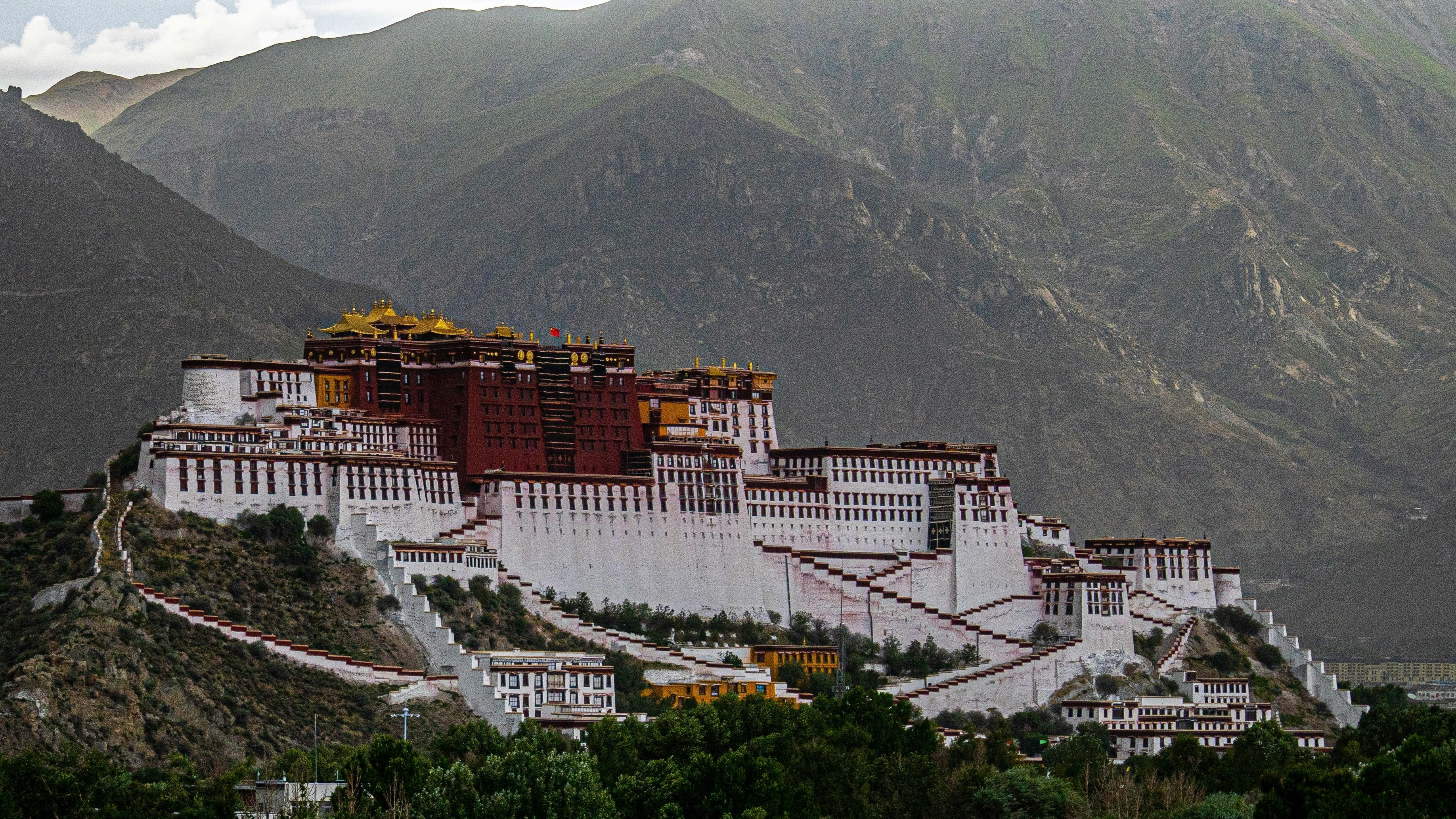
- Songzanlin Monastery (松赞林寺) — the "Little Potala Palace"
- Pudacuo National Park (普达措国家公园)
- The old town of Dukezong (独克宗古城)
Top Attractions
1. Lijiang Old Town (大研古镇)
The crown jewel of Lijiang, this UNESCO World Heritage Site is one of China's best-preserved ancient towns. Unlike other Chinese old towns that have become Disney-fied tourist traps, Lijiang's old town remains remarkably authentic, with actual residents going about their daily lives alongside visitors.
Highights:
- Sifang Street (四方街): The central square, always bustling with activity
- Mufu Palace (木府): The former residence of the Naxi king, often called the "Little Forbidden City"
- Wangu Tower (万古楼): Offers panoramic views of the old town and Jade Dragon Snow Mountain
- Canal System: Wander the web of waterways crossed by 354 stone bridges
Tips:
- Visit early morning (6-8 AM) or evening for the most atmospheric experience
- The old town is built on a hillside, so wear comfortable walking shoes
- Don't miss the nightly torch-lit performances at Sifang Street
2. Jade Dragon Snow Mountain (玉龙雪山)
At 5,596 meters, Jade Dragon Snow Mountain (Yulong Xue Shan) is Yunnan's highest peak visible from Lijiang. The mountain gets its name from its 13 peaks, which resemble a jade dragon in flight.
Experiences:
- Gondola Ride: Take the cable car to 4,506 meters (the highest in Asia)
- Blue Moon Valley (蓝月谷): Stunning turquoise glacial lakes at the mountain's base
- Spruce Meadow (云杉坪): Alpine meadow with views of the glacier
- Impression Lijiang Show: A dramatic outdoor performance directed by Zhang Yimou
Practical Information:
- Altitude sickness is a real concern — take it slow and bring oxygen
- Book tickets in advance, especially during peak season
- Dress warmly — temperatures at the summit can drop to -20°C
- Entrance: 100 yuan, Gondola: 140 yuan
3. Tiger Leaping Gorge (虎跳峡)
One of the world's deepest river canyons, Tiger Leaping Gorge (Hutiáo Xiá) is a must-visit for hikers and nature enthusiasts. The gorge reaches depths of 3,900 meters between the 5,000+ meter peaks of Jade Dragon Snow Mountain and Haba Snow Mountain.
The Hike:
- Upper Trail: Easier, follows the road, suitable for beginners (2-3 hours)
- Middle Trail: The classic route through tea houses and viewpoints (4-6 hours)
- Lower Trail: Most challenging, descends to the river (full circuit 2 days)
Getting There:
- 1.5 hours from Lijiang by bus or taxi
- Buses depart from Lijiang Bus Station (approximately 30 yuan)
Warning: The trail can be dangerous during monsoon season (July-September). Check weather conditions and local advice before hiking.
4. Shuhe Old Town (束河古镇)
Often called "Lijiang's quieter cousin," Shuhe is a smaller, more laid-back alternative to the main old town. Once an important stop on the ancient Tea Horse Road, Shuhe retains its traditional charm without the overwhelming commercialization.
Highlights:
- Shuhe Ancient Street: Paved with cobblestones worn smooth by centuries of foot traffic
- Nine Dragon Pool (九鼎龙潭): A tranquil pond surrounded by cafes and shops
- Tea Horse Road Museum: Learn about the ancient trade routes
- Lesser Crowds: Experience traditional Naxi life without the tourist throngs
Getting There: 15 minutes by taxi from Lijiang Old Town (approximately 20 yuan)
Local Food
Lijiang's cuisine reflects its ethnic diversity, blending Naxi, Tibetan, and Yunnanese culinary traditions. Here are the must-try dishes:
Baba (粑粑)
The quintessential Naxi dish, baba is a hearty flatbread traditionally baked in a clay oven. These disc-shaped breads come in two varieties:
- Sweet: Filled with sugar and walnuts
- Savory: Mixed with pork and vegetables
Where to try: Old Town food stalls, local restaurants — expect to pay 5-15 yuan each
Yak Meat Hotpot (牦牛火锅)
Perfect for cold evenings at altitude, yak meat hotpot features tender slices of yak (耗牛) cooked in a spicy broth with vegetables, tofu, and mushrooms. The meat is lean, flavorful, and unlike anything you'll find in coastal China.
Where to try: Restaurants along Guangyi Street (光义街) in the old town — expect 60-120 yuan per person
Rose Cake (鲜花饼)
A specialty of Yunnan, rose cake (xiāngbǐng) is a delicate pastry filled with fresh rose petal jam. Yunnan's climate is perfect for growing roses, and these sweet treats make excellent souvenirs.
Where to try: Old Town bakeries, Master Lu's Rose Cake (老纳家鲜花饼) — 2-5 yuan each
Other Must-Tries:
- Erkuai (饵块): Rice cakes grilled with toppings
- Jiang果 (Jiangguo): Fermented barley wine
- Yunnan Coffee: The province produces excellent coffee in Pu'er and Xishuangbanna
Getting There
By Air
Lijiang Sanyi Airport (丽江三义机场) is the main gateway, with connections to major Chinese cities:
Airport to City Center:
- Taxi: 40-60 yuan (30 minutes)
- Bus: 20 yuan (50 minutes)
By High-Speed Rail
Lijiang Railway Station connects to several major destinations:
- From Dali: 2 hours (approximately 70 yuan)
- From Kunming: 3.5 hours (approximately 220 yuan)
- From Shenzhen: 8 hours (via Kunming)
By Bus
Long-distance buses are available from:
- Shangri-La: 3-4 hours (60-80 yuan)
- Dali: 2.5 hours (50-60 yuan)
- Kunming: 5-6 hours (120-150 yuan)
Practical Tips
Altitude Considerations
At 2,400 meters elevation, altitude sickness can affect some visitors, especially those arriving from sea-level cities:
- Symptoms: Headache, fatigue, shortness of breath, difficulty sleeping
- Prevention: Take it easy for the first 24 hours, stay hydrated, avoid alcohol
- Remedies: Oxygen cans available at pharmacies (10-20 yuan), coca leaf tea
- Note: Jade Dragon Snow Mountain reaches 5,000m+ — take extra precautions there
Old Town Maintenance Fee
All visitors to Lijiang Old Town must pay a 50 yuan maintenance fee (古城维护费). This is technically required for entry to the old town, though enforcement varies:
- Where to pay: At the old town entrances, or through your hotel
- Exemptions: Children under 1.2m, seniors over 70, hotel guests (sometimes)
- What it covers: Maintenance of ancient buildings, water systems, and cultural preservation
Other Essential Tips
| Category | Recommendation |
|---|---|
| Currency | Cash preferred in old town; ATMs widely available |
| Language | Mandarin is standard; little English outside tourist areas |
| Weather | Bring layers; weather changes quickly in mountains |
| Footwear | Comfortable walking shoes — cobblestones are uneven |
| Internet | VPN recommended for Western apps; WeChat essential |
| Shopping | Bargaining expected in markets; start at 30-40% of asking price |
Related Destinations
Lijiang serves as an ideal base for exploring the surrounding region:
| Destination | Travel Time | Highlights |
|---|---|---|
| Dali | 2 hours by train/bus | Erhai Lake, Cangshan Mountains, Bai culture |
| Shangri-La | 3-4 hours by bus | Songzanlin Monastery, Pudacuo, Tibetan culture |
| Tiger Leaping Gorge | 1.5 hours by bus | World's deepest gorge, world-class hiking |
| Lugu Lake | 4-5 hours by bus | Mosuo people, matriarchal culture |
Conclusion
Lijiang offers a rare glimpse into China's ethnic minority heritage and ancient urban traditions. Whether you're wandering the canals of the old town, gazing up at the Jade Dragon Snow Mountain, or hiking through Tiger Leaping Gorge, this corner of Yunnan Province delivers unforgettable experiences.
The city successfully balances preservation with tourism, maintaining its living culture while welcoming visitors from around the world. As the gateway to Shangri-La and one of China's most culturally significant destinations, Lijiang deserves a place on every traveler's China itinerary.
Ready to explore? Start planning your Lijiang adventure today — and don't forget to slow down. In this ancient Naxi capital, the journey matters just as much as the destination.
Have questions about traveling to Lijiang? Share your thoughts in the comments below!