Libo Travel Guide
Where emerald karst peaks rise from misty valleys and ancient ethnic traditions thrive
FAQ
What is Libo known for?
Libo is renowned for its spectacular South China Karst landscape, a UNESCO World Heritage Site featuring towering limestone peaks, deep valleys, pristine rivers, and the magnificent 68-Button Waterfall. It's also home to Dong and Yao ethnic minorities who have preserved their traditional cultures for centuries.
How many days do you need in Libo?
A minimum of 2-3 days is recommended to explore the main attractions. For a more relaxed experience with hiking and cultural immersion, plan for 3-4 days.
Is Libo suitable for families?
Yes, Libo is family-friendly. The boardwalk trails in Xiaoqikong are easy, and boat rides on the Mengjiang River are suitable for children. However, some hiking trails in Daqikong require moderate fitness.
What is the best way to visit Libo?
Libo is best visited as part of a Guizhou itinerary. Most travelers fly into Guiyang (the provincial capital) and either take a bus or hire a car to Libo (approximately 3-4 hours).
Do I need a visa to visit Libo?
Libo is part of China, so international visitors need a China visa. Libo is not currently open to independent foreign tourists without prior approval—you must travel with a registered tour operator or be part of an approved group.
Overview
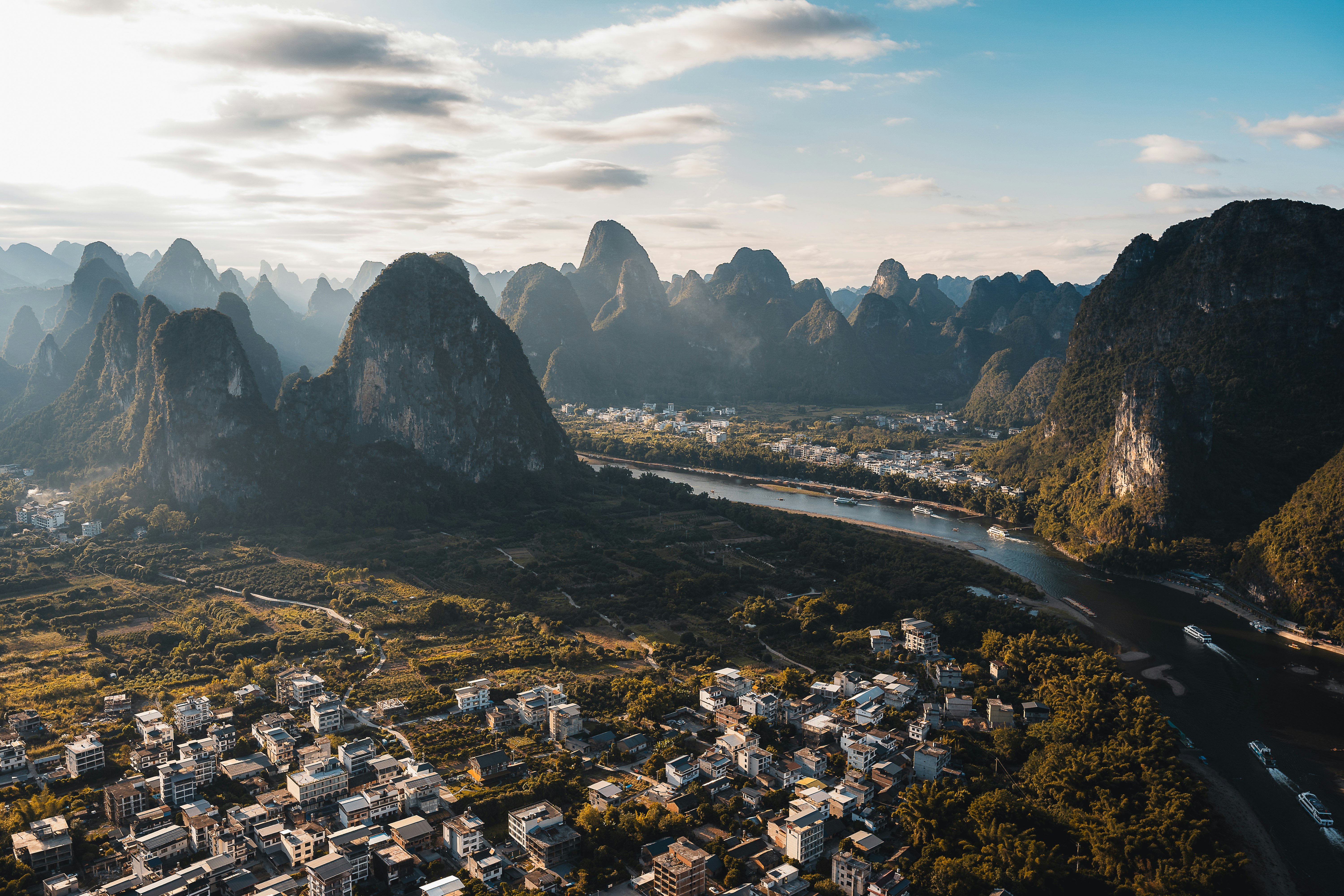
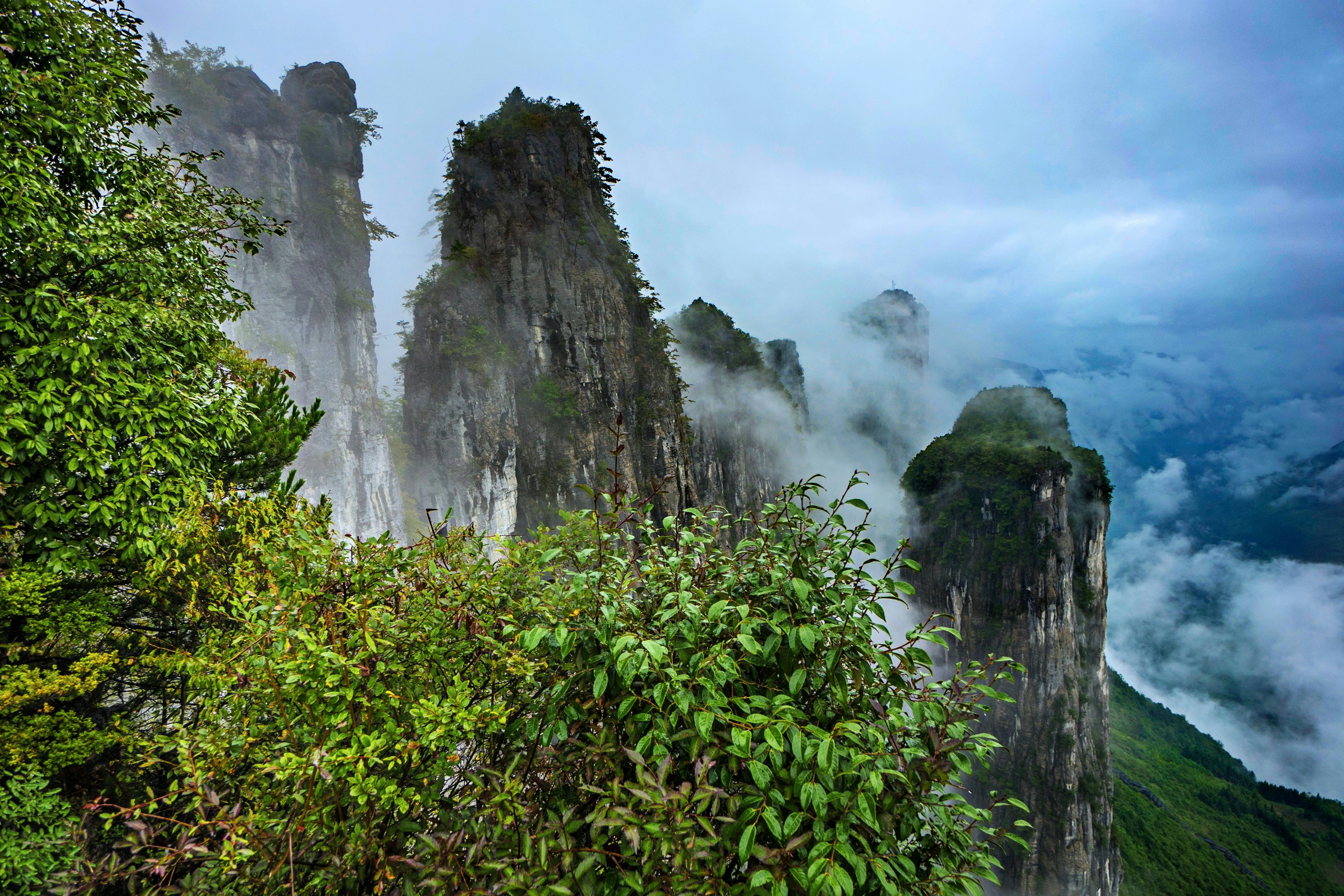
Nestled in the southwestern province of Guizhou, Libo (荔波) is a hidden gem that showcases some of China's most dramatic and unspoiled karst landscapes. Part of the UNESCO World Heritage-listed South China Karst, this region spans over 300 square kilometers of limestone formations, underground caves, cascading waterfalls, and crystal-clear rivers.
The area is not just a natural wonder—it's a cultural mosaic. The indigenous Dong and Yao peoples have inhabited these mountains for generations, maintaining vibrant traditions in architecture, music, and cuisine. The famous "Big Seven Joints" bridges of the Dong people and the long-skirted dresses of Yao women remain integral parts of daily village life.
Libo's two main scenic areas—Xiaoqikong (小七孔) and Daqikong (大七孔)—offer distinct experiences. Xiaoqikong is the more popular destination, featuring the iconic Seven-Arch Bridge and a series of waterfalls connected by wooden boardwalks. Daqikong, slightly farther away, offers deeper exploration into the karst wilderness with fewer crowds.
Beyond the natural beauty, Libo provides a welcome escape from China's crowded tourist hotspots. The air is fresh, the pace is slow, and the hospitality of local ethnic communities makes every visitor feel welcome.
Top Attractions
| Attraction | Type | Highlights | Recommended Visit Time |
|---|---|---|---|
| Xiaoqikong Scenic Area | Nature | Seven-Arch Bridge, Zhangjiang River boardwalk, cascading waterfalls, emerald pools | Half to full day |
| Daqikong Scenic Area | Nature | Heavenly Pit, Demon Gate Gorge, primitive forest trails, fewer crowds | Half day |
| 68-Button Waterfall | Waterfall | 68 consecutive cascades, misty spray, photographic paradise | 2-3 hours |
| Yazhou Ancient City | Culture | 800-year history, Ming Dynasty architecture, ethnic markets, local crafts | 3-4 hours |
| Mengjiang River | Nature | Bamboo rafting, karst canyon views, sunset cruises, fishing villages | Half day |
Xiaoqikong (小七孔景区)
The crown jewel of Libo, Xiaoqikong lives up to its name ("Seven Small Holes") with the iconic Seven-Arch Bridge dating back to the Qing Dynasty. The 12-kilometer scenic area follows the Zhangjiang River through a landscape of waterfalls, deep pools, and karst peaks.
Must-see highlights:
- Seven-Arch Bridge (七孔桥): The photogenic 22-meter bridge with seven arches framed by verdant hills
- Golden Elephant Waterfall (金象瀑布): A 40-meter cascade shaped like an elephant's trunk
- Immortal's Footprint Pool (仙人脚印池): Crystal-clear pools with mysterious circular markings
- Eucalyptus Forest: Fragrant groves perfect for a leisurely walk
Tips: Start early (8:00 AM) to avoid tour groups. Wear water-resistant shoes as you'll be near waterfalls throughout.
Daqikong (大七孔景区)
Less developed but equally stunning, Daqikong offers a wilder experience. The name means "Seven Large Holes," referring to the seven natural bridges spanning the river.
Must-see highlights:
- Heavenly Pit (天生桥): A massive natural bridge rising 70 meters above the river
- Demon Gate Gorge (妖风洞): A dramatic gorge with steep cliffs and mysterious legends
- Forest of a Hundred Peaks: Panoramic views from the hilltop observation deck
Tips: The hiking here is more strenuous than Xiaoqikong. Allow 4-5 hours for a complete visit.
68-Button Waterfall (六十八道拐)
Also known as Liuqiao Waterfall, this extraordinary waterfall features 68 cascading steps that descend a hillside in a dramatic zigzag pattern. The water flows through terraced rice paddies and ancient villages, creating one of China's most photographed natural scenes.
Best views: The waterfall is best photographed from the top of the hill or from the viewing platform midway. Morning light creates magical mist effects.
Yazhou Ancient City (荔波古城)
With over 800 years of history, Yazhou Ancient City offers a window into Guizhou's ethnic heritage. Originally built during the Ming Dynasty, the city features well-preserved walls, ancient streets, and traditional Dong-style architecture.
What to explore:
- Ancient City Wall: Walk the Ming-era walls for panoramic views
- Dong Architecture: Notice the distinctive "Big Seven Joints" bridges and drum towers
- Local Market: Sample fresh produce, dried herbs, and handmade crafts
- Evening Performances: Traditional Dong songs and dances in the town square
Mengjiang River (孟江河)
The Mengjiang River winds through the karst landscape, offering serene boat rides and bamboo rafting experiences. The riverbanks are lined with Yao villages where you can observe traditional life.
Activities:
- Bamboo Rafting: Drift past limestone cliffs and through peaceful villages
- Sunset Cruises: Golden hour illuminates the karst peaks beautifully
- Fishing Trips: Join local fishermen for a traditional experience
Local Food
| Dish | Type | Description | Where to Try |
|---|---|---|---|
| Sour Soup Fish (酸汤鱼) | Fish | Signature dish—tilapia cooked in fermented tomato and chili broth with fresh vegetables | Any local restaurant |
| Miao Rice Noodles (苗家米粉) | Noodles | Hand-pulled rice noodles served with pickled vegetables, peanuts, and spicy broth | Morning markets, small eateries |
| Spicy Chicken (辣子鸡) | Chicken | Tender chicken stir-fried with dried chilies, Sichuan peppercorns, and garlic | Downtown restaurants |
| Bamboo Rice (竹筒饭) | Rice | Glutinous rice steamed inside fresh bamboo tubes with bacon and vegetables | Scenic area vendors, villages |
| Wild Vegetables (野菜) | Vegetables | Foraged mountain greens sautéed with garlic—a healthy, local specialty | Local homestays, family-run restaurants |
Must-Try Experiences
Sour Soup Fish (酸汤鱼): This is Libo's most famous dish. The sour broth is made from fermented tomatoes and locally grown chilies, creating a tangy, warming soup that's perfect after a day of hiking. Fresh river fish (tilapia or carp) is cooked tableside in the bubbling pot.
Miao Rice Noodles (苗家米粉): For breakfast, seek out small roadside stalls serving these hand-pulled noodles. The broth is rich with pork bones, and toppings include pickled bamboo shoots, crispy peanuts, and fresh cilantro.
Bamboo Rice (竹筒饭): A traditional Dong and Yao specialty—glutinous rice is placed inside fresh bamboo tubes with bits of bacon, mushrooms, and spices, then roasted over an open flame. The bamboo imparts a subtle, fragrant taste.
Food Tips
- Vegetarians: While Guizhou cuisine is meat-heavy, wild vegetable dishes are widely available
- Spice Level: Libo food is notably spicier than other Chinese cuisines—ask for "bu la" (not spicy) if needed
- Drinks: Try the local Miao wine (苗酒), a rice wine served warm, or tea from the mountains
Best Time to Visit
| Season | Weather | Pros | Cons |
|---|---|---|---|
| Spring (Mar-May) | 15-25°C (59-77°F), mild | Flowers blooming, comfortable hiking, fewer crowds | Occasional rain, some trails muddy |
| Summer (Jun-Aug) | 25-35°C (77-95°F), warm/hot | Peak water flow for waterfalls, longest daylight | Peak tourist season, hot afternoons |
| Autumn (Sep-Nov) | 15-25°C (59-77°F), cool | Stunning autumn colors, harvest season, comfortable weather | Crowds during National Day (Oct 1-7) |
| Winter (Dec-Feb) | 5-15°C (41-59°F), cold | Fewest tourists, peaceful atmosphere, lower prices | Some attractions reduced hours, cold and damp |
Recommended: Late April to June & September to October
Late April to June offers comfortable temperatures, lush green landscapes, and full-flowing waterfalls without the summer crowds.
September to October brings comfortable weather, harvest scenes in the rice paddies, and beautiful autumn foliage. This is also the season for local festivals.
Getting There
By Air
Libo Airport (LIP) opened in 2023 and now offers direct flights from several Chinese cities:
- From Guiyang: 40 minutes (most frequent service)
- From Guangzhou: 1.5 hours
- From Chengdu: 1.5 hours
- From Beijing/Shanghai: 2-3 hours (with layover in Guiyang)
Note: International visitors typically fly into Guiyang and continue overland.
By Train/High-Speed Rail
The most convenient option is to travel to Guiyang (the provincial capital), then take a bus to Libo:
- Guiyang to Libo: 3-4 hours by bus (departures every 30 minutes from Guiyang Bus Station)
- Train to Guiyang: High-speed rail from Guangzhou (4.5 hours), Chengdu (3 hours), or Shanghai (8 hours)
By Bus
Long-distance buses connect Libo to major cities in Guizhou and neighboring provinces:
- From Guiyang: 3-4 hours, approximately ¥100-120
- From Guilin: 5-6 hours, approximately ¥120-150
- From Kunming: 8-9 hours, approximately ¥180-200
Private Car/Tour
For comfort and flexibility, hiring a private car with a driver is recommended, especially for visiting multiple scenic areas. Expect to pay ¥500-800 per day for a car that seats 4-5 people.
Getting Around
Within Libo
- Tourist Bus: Free shuttle buses connect the three main scenic areas (Xiaoqikong, Daqikong, 68-Button Waterfall) from the central bus station
- Taxis: Readily available in the town center; negotiate or ask for the meter for trips to scenic areas (approximately ¥20-40)
- Electric Scooters: Available for rent near the scenic areas (¥30-50 per day)
Between Scenic Areas
| Route | Distance | Transport Options |
|---|---|---|
| Libo Town → Xiaoqikong | 25 km | Bus (¥10, 30 min), Taxi (¥50) |
| Xiaoqikong → Daqikong | 12 km | Bus (¥5, 20 min), Taxi (¥30) |
| Libo Town → 68-Button Waterfall | 20 km | Bus (¥8, 25 min), Taxi (¥40) |
| Libo Town → Yazhou Ancient City | 3 km | Walk, Taxi (¥10) |
Tips for Getting Around
- Start Early: Buses fill up quickly; arrive at bus stations by 7:30 AM for the best experience
- Book Transportation: For Daqikong, consider joining a tour group or hiring a car as public transport is less frequent
- Rivers: Boat trips on the Mengjiang River can be arranged through your hotel or at the dock
Practical Tips
What to Pack
- Comfortable Walking Shoes: Trails involve wooden boardwalks and uneven surfaces
- Rain Gear: Rain is common year-round; a compact umbrella or rain jacket is essential
- Quick-Dry Clothing: Humidity is high; moisture-wicking fabrics are recommended
- Sunscreen & Hat: Even on cloudy days, UV rays reflect off the limestone
- Insect Repellent: Mosquitoes are present, especially near water
- Camera: The landscapes are spectacular; a wide-angle lens is useful
Money & Payments
- Cash: Carry some cash for small vendors and markets; some rural areas don't accept mobile payments
- ATM: Bank of China and Agricultural Bank have branches in Libo town with international cards
- Mobile Payment: WeChat Pay and Alipay are widely accepted in restaurants and shops
Language
- Mandarin: The primary language; English is rarely spoken outside hotels
- Helpful Phrases:
- "Zai na?" (在哪里?) = Where is...?
- "Duo shao qian?" (多少钱?) = How much?
- "Xie xie" (谢谢) = Thank you
Connectivity
- SIM Card: China Mobile and China Unicom offer tourist SIM cards; data speeds are good in Libo town
- Wi-Fi: Available in most hotels and restaurants
- VPN: Required to access Google, Facebook, YouTube, and other international services
Health & Safety
- Altitude: Libo sits at 300-800 meters; altitude sickness is not a concern
- Water: Drink bottled water; tap water is not recommended
- Medical: Libo has a general hospital; for serious issues, transfer to Guiyang
- Emergency Number: 120 (ambulance), 110 (police)
Cultural Etiquette
- Photography: Always ask permission before photographing ethnic villagers, especially elderly people
- Dress Modestly: When visiting villages and temples, cover shoulders and knees
- Remove Shoes: Remove shoes when entering homes and some restaurants
- Tipping: Not customary in Libo, though appreciated for exceptional service
Related Destinations
If you're traveling to Libo, consider extending your trip to these nearby destinations:
| Destination | Distance from Libo | Highlights | Travel Time |
|---|---|---|---|
| Guiyang | 250 km | Provincial capital, Qianling Park, Qingyan Ancient Town | 3-4 hours |
| Xijiang Miao Village | 200 km | Largest Miao settlement in China, terraced rice fields | 4-5 hours |
| Anshun Huangguoshu Waterfall | 300 km | China's largest waterfall, Dragon's Pearl Pool | 5-6 hours |
| Rongjiang | 150 km | Unspoiled Dong villages, singing festivals | 3 hours |
| Dushan | 80 km | Crystal Cave, Buyei ethnic culture | 1.5 hours |
Recommended Itinerary: 7-Day Guizhou Explorer
Day 1-3: Libo (Xiaoqikong, Daqikong, 68-Button Waterfall)
Day 4: Drive to Xijiang Miao Village (200 km)
Day 5: Xijiang Miao Village exploration
Day 6: Drive to Anshun (200 km), visit Huangguoshu Waterfall
Day 7: Return to Guiyang, departure
Last updated: April 2026
Have questions about traveling to Libo? Share your thoughts in the comments below!