Kaifeng Travel Guide: A Journey Through the Glorious Song Dynasty
Kaifeng (开封), the ancient capital of the Northern Song Dynasty (960-1127), stands as one of China's most historically significant cities and offers travelers an extraordinary window into medieval Chinese civilization. Known historically as Bianliang (汴梁), this magnificent city served as the capital of eight different dynasties over its remarkable 4,000-year history, earning it the prestigious title of "Ancient Capital of Seven Dynasties" (七朝古都). Today, Kaifeng invites visitors to step back in time and experience the grandeur of the Song Dynasty, the golden age of Chinese civilization, when Kaifeng became the world's largest and most cosmopolitan city with a population exceeding one million inhabitants.
The city derives its modern name from the legendary founding of the Zhou Dynasty, when the Duke of Zhou ordered the opening of the Yellow River's dikes to flood the rebellious Guan tribe. When the waters receded, the city was said to have "opened" (开) from beneath the waves, giving rise to the name Kaifeng, meaning "Opening the Sealed." This origin story, whether literal or mythological, sets the tone for a city that has repeatedly risen from destruction and rebuild itself, embodying the resilience and adaptability that characterizes Chinese civilization.
Kaifeng's significance extends far beyond its impressive historical pedigree. The city was the birthplace of numerous Chinese cultural innovations that would transform civilization both within China and across the world. It was here that the world's first paper currency (交子) was issued, revolutionizing commerce and financial systems. The city served as the eastern terminus of the legendary Silk Road, connecting Chinese civilization with the Islamic world, Southeast Asia, and beyond. Kaifeng was also home to the world's first printed newspaper, the Dibao, and was a center of technological innovation in printing, gunpowder weapons, and maritime navigation.
For the modern traveler, Kaifeng offers an unparalleled combination of historical sites, cultural experiences, and culinary delights. The city preserves one of China's largest and most complete ancient city wall complexes, surrounds visitors with the tranquil waters of the Bian River (汴河), and maintains vibrant traditions of street food and night market culture that harken back to the Song Dynasty's legendary commercial繁荣. Whether you're a history enthusiast, a culture lover, a foodie, or simply a curious traveler seeking authentic Chinese experiences, Kaifeng promises an unforgettable journey through time.
Overview
Kaifeng is located in the eastern part of Henan Province (河南省), approximately 500 kilometers south of Beijing and 80 kilometers north of Zhengzhou, the provincial capital. The city sits at the confluence of the Yellow River (黄河), the Bian River (汴河), and the Huang River (黄汴河), placing it at a crucial geographical junction that has both shaped its history and made it vulnerable to the river's devastating floods. The city's elevation is remarkably low—some parts of Kaifeng lie below sea level, making it one of China's few cities with this geographical distinction.
The modern city of Kaifeng encompasses an area of approximately 6,200 square kilometers, with a population of over 5 million residents. The urban area, where most attractions are concentrated, is more manageable for visitors, with a population of approximately 1.5 million people. Despite its large population, Kaifeng maintains a relaxed, provincial atmosphere that distinguishes it from the frenetic energy of nearby Zhengzhou or the overwhelming scale of Beijing and Shanghai.
Historical Significance: The Northern Song Dynasty Capital
The Northern Song Dynasty (960-1127) represents what many historians consider the pinnacle of Chinese civilization. Under the Song emperors, China experienced unprecedented economic growth, technological innovation, cultural flourishing, and urban development. Kaifeng, as the dynasty's capital, stood at the center of this remarkable transformation.
The Song Dynasty is often compared to the Renaissance in Europe or the Golden Age of Athens for its contributions to human civilization. During this period, China invented movable type printing (活字印刷), developed sophisticated gunpowder weapons, perfected magnetic compass navigation, and created the world's first paper currency. The Song also pioneered blue-and-white porcelain production, established the world's first standing navy, and developed sophisticated systems of civil service examinations that selected government officials based on merit rather than birth.
Kaifeng during the Northern Song was a cosmopolitan metropolis that would have astonished medieval visitors from anywhere in the world. The city's population exceeded one million—larger than any European city of the time—and its streets bustled with merchants, craftsmen, scholars, and officials from across the known world. The city's famous markets offered goods from as far away as the Byzantine Empire, the Islamic Caliphates, and the kingdoms of Southeast Asia. Foreign communities, including Arabs, Persians, Koreans, and Japanese, maintained their own quarters within the city, each contributing to Kaifeng's vibrant multicultural atmosphere.
The legendary painting "Riverside Scene at Qingming Festival" (清明上河图), painted by Zhang Zeduan (张择端) during the early Song Dynasty, provides an invaluable window into Kaifeng's magnificent past. This handscroll, now housed in the Palace Museum in Beijing, depicts the bustling life along the Bian River and through the city's streets, capturing the incredible detail of daily life in the Song capital. The painting has become so iconic that it now serves as the blueprint for Kaifeng's primary tourist attraction, the Riverside Scene at Qingming Festival Park (清明上河园), where visitors can literally walk through the painting and experience Song Dynasty life.
The Dragon Boat Festival Connection
Kaifeng holds a special place in Chinese festival traditions, particularly in the origins of the Dragon Boat Festival (端午节, Duanwu Festival). According to legend, the great poet Qu Yuan (屈原, 340-278 BCE) served as a minister in the Chu kingdom during the Warring States period. When the kingdom was betrayed and invaded by the Qin, Qu Yuan threw himself into the Miluo River in despair rather than witness his country's destruction.
Local fishermen reportedly raced out in their boats to try to save him, beating drums and throwing zongzi (sticky rice dumplings) into the river to prevent fish from eating his body. This act of loyalty and patriotism has been commemorated annually for over two millennia through the Dragon Boat Festival.
While Qu Yuan's final act occurred in present-day Hunan Province, Kaifeng played a crucial role in the festival's historical development and spread. During the Northern Song Dynasty, the Dragon Boat Festival became one of the most important holidays in the Kaifeng calendar. The imperial court would organize elaborate dragon boat races on the Bian River, and the entire city would participate in celebrations that lasted for days. The traditions established in Kaifeng during the Song Dynasty helped standardize the Dragon Boat Festival practices that continue throughout Chinese communities worldwide today.
The Bian River: Lifeline of the Ancient Capital
The Bian River (汴河) serves as Kaifeng's most important geographical feature and the heart of the city's historical identity. Originally part of the Grand Canal (大运河) system, the Bian River connected Kaifeng to the Yellow River and, ultimately, to the southern regions of China. This waterway was the lifeblood of the Northern Song capital, transporting grain, goods, and people into the heart of the empire.
During the Song Dynasty, the Bian River was a bustling waterway crowded with merchant vessels, official government boats, and elegant pleasure barges. The riverbanks were lined with warehouses, teahouses, restaurants, and entertainment venues. The famous "Riverside Scene at Qingming Festival" painting depicts the river at the center of Kaifeng's commercial and social life, with boats of various sizes navigating its waters and crowds of people gathered along its banks.
Today, the Bian River has been restored to its Song Dynasty appearance in many areas, and evening cruises along the river have become one of Kaifeng's most popular tourist activities. The night cruise offers visitors the opportunity to experience the illuminated city from the water, just as Song Dynasty merchants and officials did nearly a thousand years ago. The riverbanks are lined with ancient-style buildings, lanterns, and modern lighting that creates a magical atmosphere bridging past and present.
Modern Kaifeng: Preserving the Past
Today's Kaifeng is a city that takes its historical heritage seriously. The government has invested significantly in restoring and reconstructing historical sites, creating a tourist infrastructure that allows visitors to experience the city's Song Dynasty legacy. The old town area, centered around the Dragon Pavilion (龙亭) and the Bian River, has been developed as a pedestrian-friendly zone with traditional architecture, museums, and performance venues.
At the same time, Kaifeng remains a living city with a vibrant contemporary culture. The night markets (夜市) that line the streets offer traditional foods that would be familiar to Song Dynasty residents, while modern shopping centers, universities, and industrial facilities demonstrate that Kaifeng has not become merely a museum piece but continues to evolve as a 21st-century Chinese city.
The people of Kaifeng take particular pride in their city's heritage. Local residents often speak of the "Kaifeng spirit" (开封精神), which they describe as a combination of resilience in the face of adversity, warmth toward visitors, and dedication to preserving traditional culture. This welcoming attitude makes Kaifeng an especially pleasant destination for foreign travelers, who frequently report that local residents go out of their way to help them navigate the city and understand its many historical sites.
Top Attractions
Kaifeng offers visitors an extraordinary concentration of historical and cultural attractions. The following table summarizes the top five must-visit sites, each representing a different aspect of the city's rich heritage.
| Attraction | Chinese Name | Description | Admission (CNY) |
|---|---|---|---|
| Riverside Scene at Qingming Festival Park | 清明上河园 | Full-scale recreation of the famous Song Dynasty painting with daily performances and interactive experiences | 120 (120 for adults, 60 for students) |
| Iron Pagoda Park | 铁塔公园 | Five-story brick pagoda dating to 1049 CE, one of China's oldest surviving brick structures | 50 (includes Iron Pagoda and surrounding park) |
| Dragon Pavilion Park | 龙亭公园 | Imperial palace complex built on the site of the Northern Song's main palace, featuring the Dragon Pavilion itself | 45 |
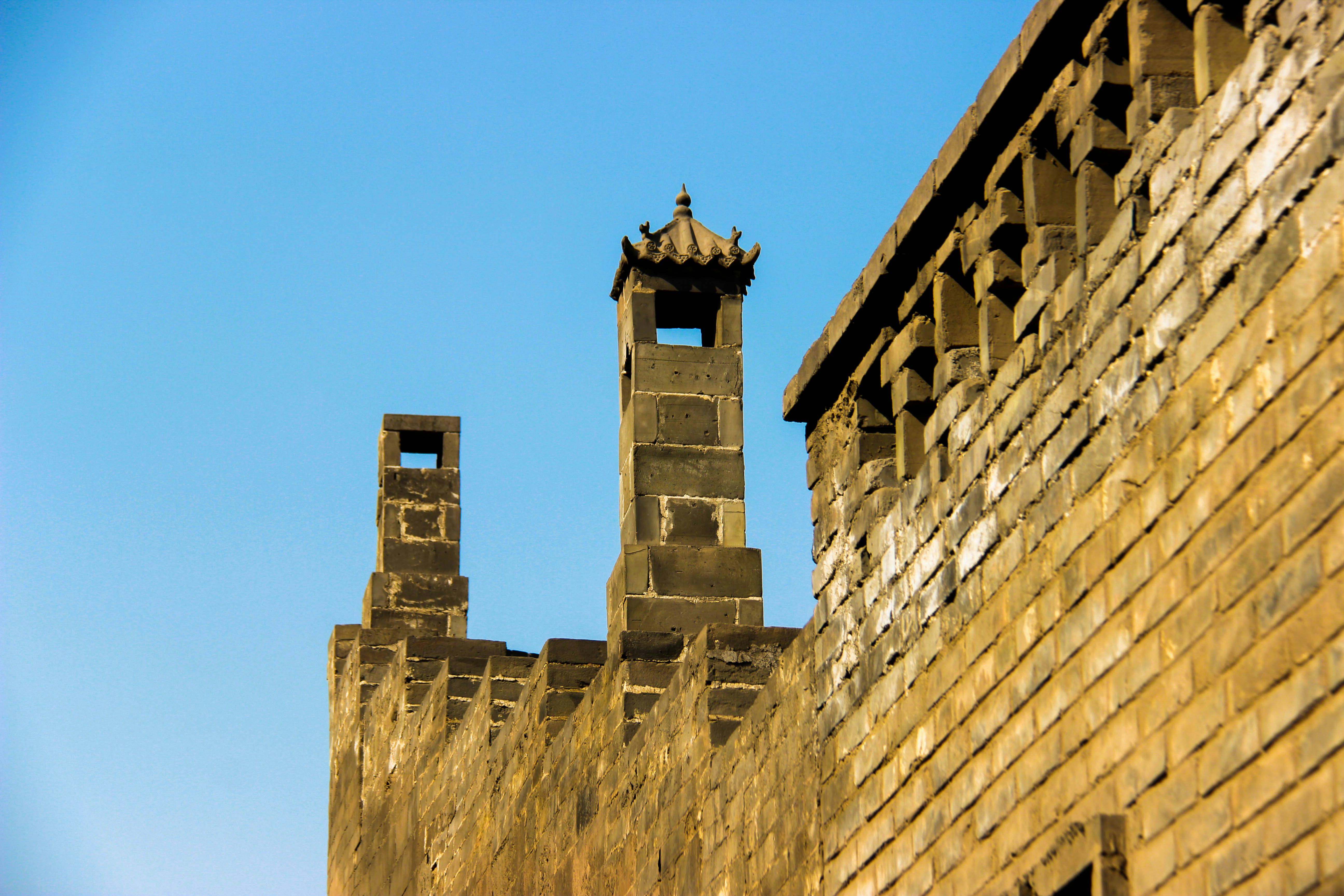
| Kaifeng City Wall | 开封城墙 | One of China's most complete ancient city walls, offering panoramic views of the old town | 40 (cycling option available for additional fee) |
| Bian River Night Cruise | 汴河夜游 | Evening boat tour along the illuminated Bian River, passing under ancient bridges and past historic buildings | 80 (standard), 120 (deluxe with dinner) |
Riverside Scene at Qingming Festival Park (清明上河园)
The Riverside Scene at Qingming Festival Park (Qingming Shanghe Yuan) represents Kaifeng's most ambitious and successful historical reconstruction project. Opened in 1998, the park was built as a living museum based on the famous handscroll painting by Zhang Zeduan that depicts daily life in Kaifeng during the Song Dynasty. The park occupies approximately 600 acres along the banks of the Bian River and has become the city's premier tourist destination, attracting millions of visitors annually.
The attention to historical detail in the park is remarkable. Architects and historians worked together to recreate buildings, costumes, and daily activities based on archaeological evidence and historical records. The result is an immersive experience that allows visitors to step directly into the world depicted in Zhang Zeduan's masterpiece. Every building, from humble residences to imperial palaces, has been constructed using traditional techniques and materials wherever possible.
Park Layout and Key Areas
The park is organized along a north-south axis that roughly follows the course of the Bian River as depicted in the painting. Visitors enter through the Qingming Gate (清明门), a massive archway that模仿 the city gates of Song Dynasty Kaifeng. From here, the park unfolds through a series of themed areas representing different aspects of Song Dynasty life.
The Riverside District (河市) forms the heart of the park and recreates the commercial bustle that characterized the Bian River banks during the Song Dynasty. Visitors can explore recreated shops selling traditional crafts, medicines, and specialty foods. Street performers demonstrate traditional skills including paper-cutting, clay sculpture, and Chinese calligraphy. The atmosphere recreates the famous "hundred schools of merchants" (百家商户) that made Kaifeng the commercial center of medieval China.
The Entertainment District (勾栏瓦肆) recreates the Song Dynasty's famous entertainment quarter. The "goulan" (勾栏) were public performance venues where visitors could enjoy acrobatics, musical performances, dramatic plays, and storytelling. The park features several such venues offering regular performances throughout the day. Visitors can also watch traditional puppet shows, shadow puppet performances, and martial arts demonstrations.
The Imperial Palace Area (皇宫) recreates the grandeur of the Northern Song imperial palace. While the original Song palace was largely destroyed by floods and warfare, the park offers a sense of its scale and magnificence. The main hall, the Taihe Palace (太和殿), serves as the venue for the park's most elaborate daily performance, the "Song Dynasty Royal Ceremony" (宋代朝会盛典).
The Residential District (民宅) showcases the homes of ordinary Kaifeng residents during the Song Dynasty. These include the residences of merchants, craftsmen, and scholars, each decorated according to the owner's social status and occupation. Visitors can observe traditional furniture, household items, and daily routines that would have been typical of the period.
Daily Performances and Shows
One of the park's distinguishing features is its extensive schedule of live performances. The park employs hundreds of performers who present shows throughout the day, recreating the entertainment culture of the Song Dynasty. The following table provides detailed information about the main performances:
| Performance | Time | Location | Description |
|---|---|---|---|
| Song Dynasty Royal Ceremony | 9:00 AM | Imperial Palace Square | Grand opening ceremony featuring imperial guards, musicians, and the "emperor" welcoming visitors |
| Emergency Dispatch | 10:30 AM, 2:30 PM | Riverside District | Famous scene from the painting showing a postal rider rushing through the streets |
| Water Splashing Festival | 11:00 AM, 3:00 PM (Summer only) | Riverside Area | Traditional Song Dynasty water festival with audience participation |
| Acrobatic Show | 11:30 AM, 2:00 PM, 4:00 PM | Entertainment District | Traditional Chinese acrobatics as performed in Song Dynasty Kaifeng |
| Lantern Festival | 6:00 PM (Evening) | Throughout park | Evening lantern display and traditional lantern-making activities |
| Night Cruise Performance | 7:30 PM | Bian River Dock | Boat performance featuring traditional music and dance on the water |
| Laser Light Show | 8:30 PM | Dragon Pavilion Hill | Spectacular light show projecting images onto the water and surrounding buildings |
The Emergency Dispatch (军情快递) performance is particularly famous and recreates one of the most detailed scenes in Zhang Zeduan's painting. A rider on horseback rushes through the streets, representing the urgent delivery of military or government communications. The performance captures the chaotic energy of Song Dynasty Kaifeng and has become one of the park's most-photographed moments.
During summer months (June through August), the park hosts the Water Splashing Festival (泼水节), inspired by traditional summer celebrations in ancient Kaifeng. Visitors are encouraged to join in the fun, bringing waterproof bags and clothing suitable for getting wet. The festival recreates the Song Dynasty tradition of celebrating the hottest days of summer with water-related activities.
The evening performances offer a completely different experience from daytime visits. As the sun sets, thousands of lanterns illuminate the park, creating a magical atmosphere. The Laser Light Show (激光水幕表演) uses the park's waterways and buildings as a canvas for spectacular visual effects, projecting images and videos onto water screens and ancient buildings. This show has become one of Kaifeng's most popular evening attractions.
Interactive Experiences
Beyond watching performances, visitors can participate in numerous interactive activities throughout the park. These include:
- Traditional Crafts Workshops: Visitors can try their hand at traditional papermaking, woodblock printing, Chinese calligraphy, and paper-cutting under the guidance of skilled artisans.
- Costume Rental: The park offers complete Song Dynasty costume rentals, allowing visitors to dress in traditional clothing and walk through the park as if they were Song Dynasty residents. Photography packages are available.
- Traditional Games: Visitors can play traditional Chinese games including shuttlecock kicking, diabolo (空竹), and Chinese chess (象棋).
- Boat Rides: Traditional wooden boats offer rides along the Bian River within the park, recreating the river traffic depicted in the painting.
- Tea Ceremony: Traditional Chinese tea ceremonies are offered at several teahouses within the park, providing insight into Song Dynasty tea culture.
Practical Information
Hours: The park is open daily from 8:00 AM to 10:00 PM (summer) or 9:00 AM to 9:00 PM (winter). Evening ticket prices are slightly higher.
Tickets: Standard adult tickets cost 120 CNY, with reduced prices for students (60 CNY) and children under 1.2 meters (free). Combination tickets including dinner shows and costume rental are available at higher prices.
Recommended Visit Duration: A minimum of 4-5 hours is recommended to fully explore the park and see the main performances. Evening visits require an additional 2-3 hours.
Best Times to Visit: Weekday mornings offer the smallest crowds. Weekend afternoons can be very crowded. The evening shows are particularly spectacular but attract large numbers of visitors.
Facilities: The park offers multiple restaurants serving traditional Kaifeng cuisine, rest areas with seating, lockers for luggage, and wheelchair rentals. English signage is limited, but audio guides are available.
Iron Pagoda Park (铁塔公园)
The Iron Pagoda (铁塔, Tie Ta) is Kaifeng's most iconic landmark and one of China's oldest and most distinctive brick structures. Despite its name, the pagoda is not actually made of iron but of brick covered with brownish glazed tiles that give it a metallic appearance. The pagoda stands approximately 55 meters tall and consists of 13 octagonal stories, making it an impressive sight against the Kaifeng skyline.
Historical Background
The Iron Pagoda was originally constructed in 1049 CE during the reign of Emperor Renzong (仁宗) of the Song Dynasty. It was built to house a collection of Buddhist relics brought to Kaifeng from India by a monk named Huining (惠宁). The pagoda was originally part of a larger Buddhist complex called Kaicheng Temple (开宝寺), which was one of the most important Buddhist temples in northern China during the Song Dynasty.
The pagoda has survived numerous disasters over the nearly 1,000 years of its existence. It has withstood 38 earthquakes, including several major seismic events, and has survived flooding from the Yellow River, which has devastated Kaifeng many times throughout history. In 1662, a massive earthquake damaged the pagoda significantly, and it was rebuilt in 1751 during the Qing Dynasty. The current structure represents this Qing Dynasty reconstruction, though it maintains the original Song Dynasty design and proportions.
The pagoda's distinctive color comes from its glazed brick tiles, which contain iron oxide that gives them a rusty, metallic appearance. The tiles were manufactured using a special technique that made them resistant to weathering and water damage, contributing significantly to the pagoda's longevity.
Architecture and Design
The Iron Pagoda exemplifies the architectural style of Song Dynasty Buddhist pagodas. Its octagonal design was unusual for the period, as most Chinese pagodas of the era were square. The 13 stories represent the 13 levels of Buddhist enlightenment, and each story features ornate brick carvings depicting Buddhist figures, floral patterns, and musical instruments.
The interior of the pagoda is accessible to visitors, with a central wooden staircase spiraling upward through the stories. Each floor offers small windows providing views over the surrounding park and, on clear days, across the Kaifeng cityscape. The stairs are steep and narrow, reflecting the Song Dynasty design that prioritized structural integrity over visitor convenience.
The base of the pagoda features detailed stone carvings from the Song Dynasty, including Buddhist sutras, lotus patterns, and figures of protective deities. These carvings have survived nearly a millennium of exposure and provide valuable insights into Song Dynasty artistic and religious practices.
Surrounding Park
Iron Pagoda Park surrounds the pagoda with traditional Chinese gardens, pavilions, and historical exhibits. The park covers approximately 50 acres and provides a peaceful escape from the urban bustle. Key features include:
The Buddhist Art Museum (佛教艺术博物馆): Located on the eastern side of the park, this museum displays Buddhist artifacts discovered during archaeological excavations of the original Kaicheng Temple complex. The collection includes Buddhist statues, ritual objects, and architectural elements dating from the Tang and Song dynasties.
The Pine and Crane Pavilion (松鹤亭): This traditional pavilion offers views of the pagoda through a screen of ancient pine trees. The pavilion is named for the traditional Chinese symbols of longevity and features detailed woodcarvings.
The Qingzhao Pavilion (清照亭): Dedicated to the famous Song Dynasty poet Li Qingzhao (李清照), who lived in Kaifeng, this pavilion celebrates the city's literary heritage. Li Qingzhao is considered one of China's greatest female poets, and her works are displayed on plaques throughout the pavilion.
The Lotus Pond (荷塘): A traditional lotus garden provides a peaceful backdrop for photography, particularly during the summer months when the flowers are in bloom.
Practical Information
Hours: The park is open from 6:30 AM to 7:30 PM (summer) or 7:00 AM to 6:00 PM (winter).
Tickets: 50 CNY for adults, 25 CNY for students. Children under 1.2 meters enter free.
Climbing the Pagoda: An additional fee of 20 CNY is required to climb the pagoda interior. Visitors should note that the stairs are steep and not recommended for those with mobility issues or fear of heights.
Recommended Visit Duration: 1-2 hours is sufficient to explore the pagoda and surrounding park.
Best Times to Visit: Early morning offers the best light for photography and fewer crowds. The pagoda is particularly beautiful at sunset when the glazed tiles catch the dying light.
Dragon Pavilion Park (龙亭公园)
Dragon Pavilion Park (龙亭公园, Longting Gongyuan) occupies the site of the former Northern Song imperial palace and remains the symbolic center of Kaifeng's historical identity. The park's centerpiece, the Dragon Pavilion itself, was originally built during the Tang Dynasty and rebuilt numerous times over the centuries. Today, it stands as a monument to Kaifeng's imperial past and offers panoramic views over the city and the Bian River.
Historical Significance
The site of Dragon Pavilion Park has been the location of imperial palaces for over a thousand years. During the Northern Song Dynasty, this area housed the main palace complex of the Song emperors, known as the Dali Palace (大内). The palace was the political and ceremonial heart of the Song Empire, housing the throne rooms, living quarters, and government offices of the imperial court.
The original palace was destroyed during the Jin Dynasty invasion of 1127, when the Jurchen armies captured Kaifeng and brought the Northern Song to an end. The palace was subsequently rebuilt during the Jin and Yuan dynasties, though never matching the grandeur of the Song original. The current Dragon Pavilion dates primarily from the Qing Dynasty, with later renovations.
The name "Dragon Pavilion" refers to the dragon motifs that decorate the building and the surrounding area. In Chinese culture, the dragon symbolizes imperial power, and the term "Dragon Throne\