Overview
Huangshan (黄山), meaning "Yellow Mountain" in Chinese, is a mountain range in southern Anhui Province, widely regarded as the most beautiful mountain in China. For over a thousand years, Chinese poets, painters, and scholars have celebrated its dramatic landscapes, earning it the epithet "The most beautiful mountain under heaven" (天下第一奇山).
This UNESCO World Heritage Site encompasses 72 peaks exceeding 1,000 meters in elevation, with the tallest peak,莲花峰 (Lotus Peak), reaching 1,864 meters. The mountain is renowned for four signature natural phenomena: the Sea of Clouds (云海), which graces the summits approximately 75% of the year; Pine Trees (奇松), twisted into otherworldly shapes by the elements; Granite Rocks (怪石), sculpted into fantastical forms; and Hot Springs (温泉), renowned for their therapeutic properties.
Whether you're a photographer chasing the perfect sunrise, a hiker seeking challenging trails, or a culture enthusiast exploring ancient villages, Huangshan delivers an unforgettable experience.
FAQ
Why is Huangshan considered the most beautiful mountain in China for 1,000 years?
Huangshan's reputation as China's most beautiful mountain dates back to the Tang Dynasty (618-907 CE). Chinese scholars and artists were captivated by its unique combination of geological features: granite peaks that pierce through seas of mist, gnarled pine trees clinging to sheer cliffs, and rocks shaped by erosion into forms resembling animals, humans, and mythological creatures. The mountain's ever-changing weather creates countless micro-landscapes—visitors might experience sunshine, fog, rain, and clear skies all in a single day. This dramatic beauty made it the ultimate subject for Chinese landscape painting and poetry, cementing its status as the pinnacle of natural beauty in Chinese culture.
When is the best time to see the Sea of Clouds?
The Sea of Clouds is visible on approximately 75% of days, with the highest probability during spring (April-May) and autumn (October-November). Early morning (6:00-8:00 AM) offers the best chances, as cool air meets warm moisture rising from the valleys below. Autumn is particularly spectacular when the foliage turns crimson and gold, creating a vivid contrast with the white mist below. Winter brings fewer crowds but occasional closures due to snow and ice.
Can I visit Huangshan without hiking?
Absolutely. Huangshan features four cable car systems that transport visitors from the base to the summit in under 10 minutes. The Yungu Cable Car (云谷索道) and the Yuping Cable Car (玉屏索道) are the most popular routes. Once at the top, well-maintained boardwalks and staircases connect major scenic areas, making the summit accessible to most visitors, including those with mobility challenges. For the full experience, consider combining cable car rides with shorter walks to key viewpoints.
How many days do I need for Huangshan?
Two to three days is ideal. A single day is sufficient to see the highlights via cable car, but you'll miss the magical sunrise and sunset from the summit. Staying overnight at one of the mountaintop hotels allows you to experience the Sea of Clouds at dawn—one of Huangshan's most unforgettable moments. A third day can be devoted to exploring the UNESCO-listed villages of Hongcun and Xidi nearby.
Top Attractions
Mount Huangshan (黄山风景区)
The crown jewel of Anhui Province, Mount Huangshan is a UNESCO World Heritage Site recognized in 1990 for its outstanding natural beauty and cultural significance. The mountain's 72 peaks are divided into six scenic areas, with 光明顶 (Guangding Peak), 莲花峰 (Lotus Peak), and 天都峰 (Tiandu Peak) being the most famous.
Key Highlights:
- Sea of Clouds: Best viewed from 光明顶 (Guangding Peak), the mountain's second-highest point at 1,840 meters. On clear mornings, you can watch clouds roll beneath your feet like a turbulent ocean.
- Guest-Greeting Pine (迎客松): The most photographed tree in China, this 1,000-year-old pine appears to bow in welcome to visitors. Located near 玉屏楼 (Yuping Lou), it's the iconic symbol of Huangshan.
- Sunrise: The summit offers several prime viewing spots. 光明顶 and 始信峰 (Shixin Peak) are the most popular sunrise locations, though expect crowds during peak season.
- Granite Formations: Look for rocks named after their shapes—Flying Rock (飞来石), Monkey Watching the Sea (猴子观海), and Immortal Pointing the Way (仙人指路).
Getting Around: The summit area is large, with shuttle buses connecting the cable car stations to major attractions. Allow 4-6 hours to explore the core scenic area.
Cable Car Information:
- Yungu Cable Car (云谷索道): Upper station at 光明顶 area, lower station at Yungu Valley
- Yuping Cable Car (玉屏索道): Upper station near 迎客松, lower station at Tangkou
- Fubang Cable Car (太平索道): Northern route from Fubang Valley
- Chengyu Cable Car (呈坎索道): Eastern approach
Opening Hours: 6:30 AM - 5:30 PM (varies seasonally)
Ticket Price: Entrance ¥230 (peak season), ¥150 (off-season); cable car one-way ¥80-90
Hongcun Village (宏村)
A UNESCO World Heritage Site since 2000, Hongcun is often called the "Chinese Painting Village" (画里乡村) due to its stunning setting amid rolling hills and tranquil waters. This 800-year-old village of the Hu clan is renowned for its well-preserved Ming and Qing Dynasty architecture and its iconic lotus pond.
Key Highlights:
- Lotus Pond (月沼): The heart of the village, this crescent-shaped pond reflects the white-wall, grey-tile buildings and ancient halls surrounding it. The best photos are captured in early morning when the water is still.
- South Lake (南湖): A larger pond on the village's southern edge, flanked by willow trees and a historic academy. Featured in the Oscar-nominated film Crouching Tiger, Hidden Dragon.
- Ancient Architecture: Explore ancestral halls like the Chengzhi Hall (承志堂), one of the finest examples of Hui-style architecture with its intricate wood carvings and murals.
- Rural Life: Unlike many tourist sites, Hongcun remains a living village where residents tend gardens, hang laundry, and continue traditional customs.
Best Time to Visit: Early morning (before 8 AM) for atmospheric shots without crowds, or late afternoon for golden hour lighting. Autumn offers the bonus of lotus flowers and golden fields.
Admission: ¥104 (includes Xidi Village ticket)
Opening Hours: Daily, 24 hours (ticket gates close at night)
Tunxi Old Street (屯溪老街)
Located in Huangshan's urban center, Tunxi Old Street is one of China's best-preserved Ming and Qing Dynasty commercial districts. This 1,200-meter-long pedestrian street runs parallel to the Xin'an River and offers a window into traditional Chinese marketplace culture.
Key Highlights:
- Architecture: Two- to three-story buildings with white walls, grey tiles, and hanging lanterns line the street in traditional Hui style.
- Shops: Browse for local specialties like Huangshan Maofeng tea, stinky mandarin fish, and traditional Chinese medicine.
- Night Market: As evening falls, the street transforms with food stalls, street performers, and illuminated architecture.
- Old Tongren Pharmacy (同仁堂): One of China's oldest and most famous traditional medicine shops, established in 1669.
Best Time to Visit: Late afternoon through evening for the full experience—browse shops, enjoy dinner, and see the illuminated street at night.
Admission: Free
Getting There: 10-minute walk from Huangshan North Railway Station, or take bus #6 from the city center.
Local Food
Stinky Mandarin Fish (臭鳜鱼)
This iconic Huangshan dish is not for the faint of smell—the name literally means "stinky mandarin fish"—but its fermented aroma gives way to a surprisingly delicious, tender flesh with a complex, umami-rich flavor.
Background: Originally developed as a method to preserve fish during transport, the fermentation process creates a distinctive pungency that locals have come to love. The fish is typically steamed with ginger, scallions, and chili, creating a dish that's aromatic, slightly spicy, and incredibly savory.
Where to Try: Available at virtually every restaurant in the Huangshan area. For an authentic experience, seek out family-run establishments in Tunxi Old Street or village homestays in Hongcun.
Price Range: ¥60-120 depending on size and restaurant
Huangshan Maofeng Tea (黄山毛峰)
One of China's ten famous teas, Huangshan Maofeng (meaning "Fur Peak") is a green tea grown in the misty mountains surrounding Huangshan. The name refers to the downy tips on the young tea leaves, which resemble fur.
Tasting Notes: The tea produces a pale green infusion with a mellow, slightly sweet flavor and a distinctive chestnut aroma. It's prized for its refreshing taste and alleged health benefits.
Where to Buy: Authentic Maofeng is available at specialty tea shops throughout the region. For the best quality, visit the tea markets in Tunxi or purchase directly from farms in the surrounding villages.
Price Range: ¥80-500+ per jin (500g), depending on harvest date and quality grade
Other Local Specialties
- Huangshan Sticky Rice Balls (黄山毛豆腐): Fermented tofu formed into balls and pan-fried until crispy outside, creamy inside
- Bamboo Shoots (竹笋): Fresh bamboo shoots harvested in spring, prepared in various styles
- Preserved Pork (腊肉): Smoked pork from heritage breeds, often served with local vegetables
Best Time to Visit
Autumn (October - November)
The most popular and arguably best time to visit Huangshan. Temperatures are comfortable (5-15°C), the skies are clear, and the foliage transforms the mountainsides into a canvas of crimson, orange, and gold. The Sea of Clouds is particularly photogenic against the autumn colors. Expect larger crowds during National Day holiday (October 1-7) and weekends.
Spring (April - May)
Another excellent season with mild temperatures and frequent sea of clouds displays. The mountain comes alive with blooming rhododendrons and fresh green vegetation. Spring is ideal for photographers seeking the famous "four wonders" of Huangshan under favorable conditions.
Summer (June - August)
The off-season brings higher temperatures (20-28°C at the summit), afternoon thunderstorms, and fewer tourists. While the Sea of Clouds is less frequent, the green mountains offer a different kind of beauty. Summer is peak season for Hongcun and Xidi villages.
Winter (December - February)
The quietest season offers dramatic scenery—snow-dusted peaks, frozen waterfalls, and potential for icicle formations. However, some trails may close due to ice, and cable cars occasionally suspend operations during heavy snowfall. Temperatures can drop to -10°C or lower at the summit.
Getting There
From Shanghai
- High-Speed Train: The most convenient option. G7319 and other services depart from Shanghai Hongqiao Railway Station, arriving at Huangshan North Railway Station (黄山北站) in approximately 2.5 hours. Trains run frequently throughout the day.
- Cost: ¥226-264 (second class), ¥360+ (first class)
-
Frequency: ~15 trains daily
-
Bus: Long-distance buses depart from Shanghai South Bus Station, taking 5-6 hours.
- Cost: ¥120-150
From Hangzhou
- High-Speed Train: Just 1.5 hours from Hangzhou East Railway Station to Huangshan North. Over 20 trains daily make this a highly accessible option.
- Cost: ¥120-150 (second class)
From Other Cities
- From Nanjing: 2.5-3 hours by high-speed rail
- From Beijing: 5-6 hours by high-speed rail (via Nanjing or Shanghai)
- From Hong Kong: Direct high-speed rail to Huangshan North (approximately 6 hours)
Getting to the Mountain
From Huangshan North Railway Station:
- Bus: Take bus #1 or #8 to the mountain scenic area (Tangkou Town), approximately 50 minutes, ¥20
- Taxi: About ¥100-150 for a private car
Practical Tips
Accommodation
Summit Hotels: For the ultimate experience, stay overnight at one of the mountaintop hotels to catch the sunrise and sunset. Options include:
- Huangshan Hotel (黄山宾馆): Mid-range, convenient location near Guangding Peak
- Yuping Hotel (玉屏楼宾馆): Located near the Guest-Greeting Pine
- Beihai Hotel (北海宾馆): Near the North Sea scenic area
Advance Booking Essential: Summit hotels book out quickly, especially during peak season (October-November, May Day, National Day). Book 2-3 weeks in advance.
Village Stays: For a different experience, consider homestays in Hongcun or Xidi villages, ranging from ¥150-500 per night.
What to Pack
- Layers: Weather changes rapidly at the summit. Bring a warm jacket even in summer—temperatures can be 10-15°C cooler than at the base.
- Non-slip Shoes: The paths can be wet and slippery, especially in morning mist.
- Rain Gear: An umbrella or rain jacket is essential.
- Camera: A wide-angle lens is ideal for capturing the vast landscapes and Sea of Clouds.
- Headlamp: Useful for early morning hikes to sunrise viewpoints.
Sunrise Strategy
- Check the weather forecast—clear skies the night before offer the best chances.
- Wake up at 5:00 AM and head to 光明顶 (Guangding Peak) or 始信峰 (Shixin Peak).
- Arrive 30-45 minutes early to secure a good spot.
- Bring warm layers—it can be very cold while waiting.
- Stay after sunrise—the light immediately after is often magical.
Health & Safety
- Altitude sickness is generally not a concern at Huangshan's elevation, but those with heart or respiratory issues should consult a doctor.
- The mountain paths are well-maintained but involve significant stair climbing. Assess your fitness level honestly.
- Emergency phones and first aid stations are located throughout the scenic area.
Related Destinations
Xidi Village (西递)
Another UNESCO World Heritage Site, Xidi is smaller and quieter than Hongcun, offering a more intimate glimpse of traditional Hui architecture. The village is known for its ornate ancestral halls and the famous 500-year-old "Huizhou Custom Exhibition Hall."
Admission: ¥104 (combined ticket with Hongcun)
Shanghai (2.5 hours by train)
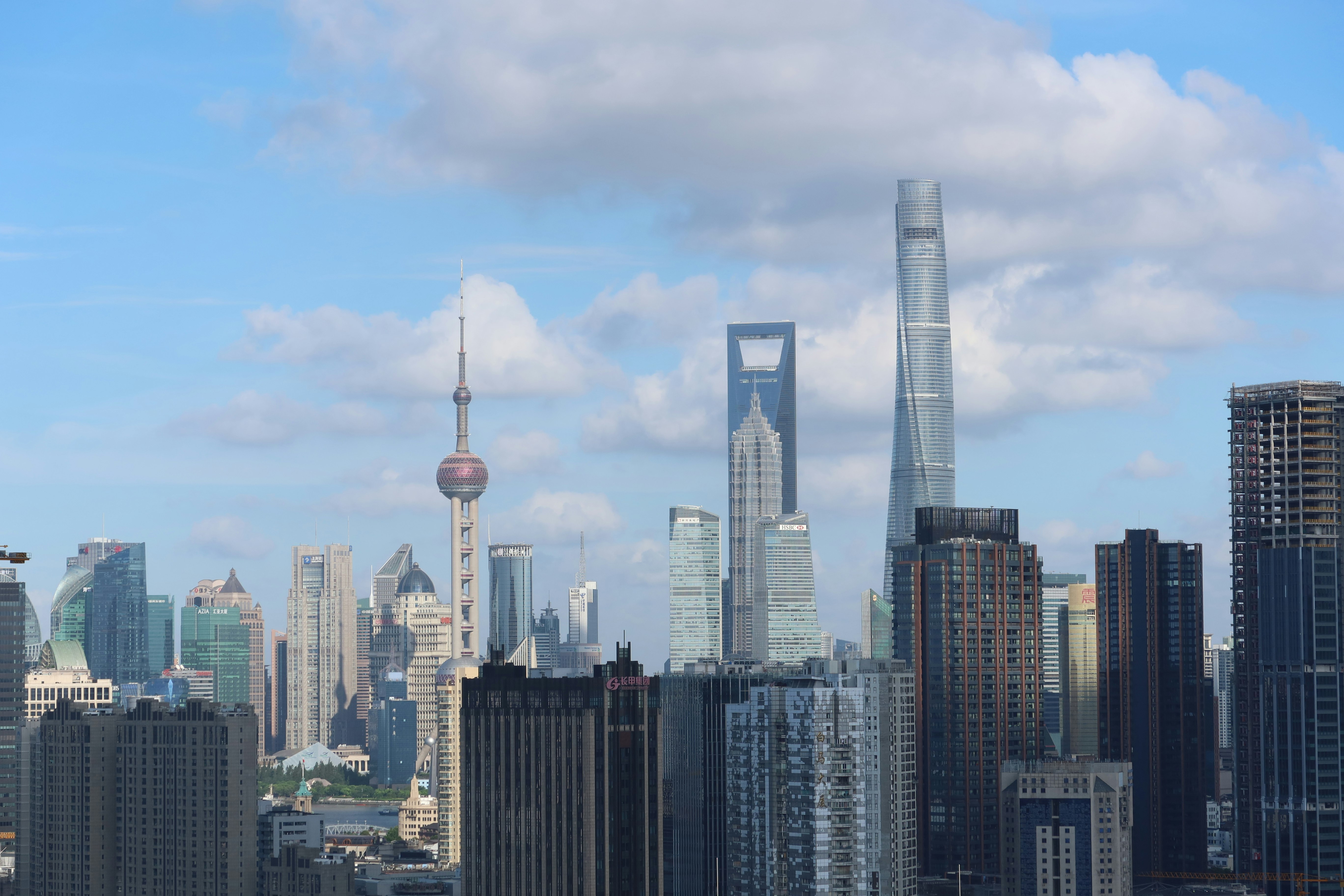
China's largest city offers world-class dining, shopping, and attractions like The Bund, Yu Garden, and the Shanghai Tower. Extend your trip with a few days in this dynamic metropolis.
Additional Resources
- Official Website: huangshan.gov.cn
- Scenic Area Hotline: +86-559-5561111
- Best Map: Pick up a detailed map at the entrance gate (¥3) or download offline maps before visiting.
Have questions about planning your Huangshan trip? Explore our other China travel guides or leave a comment below!