```
Hangzhou Travel Guide
"There is heaven on earth, there is heaven on earth, there is heaven on earth." — Song Dynasty poet
These famous words, uttered by Emperor Song Gaozong when he fled south to Hangzhou, have echoed through the centuries. Today, Hangzhou stands as one of China's most beloved destinations—a city where ancient tradition meets cutting-edge innovation, where mist-shrouded lakeside pagodas rise beside the headquarters of tech giant Alibaba. Welcome to what many consider paradise on earth.
Overview
Hangzhou, the capital of Zhejiang Province, is a city of approximately 12 million people that has captivated travelers, poets, and emperors for over 2,500 years. Located about 180 kilometers southwest of Shanghai in the fertile Yangtze River Delta, Hangzhou has served as China's imperial capital twice and has long been celebrated as one of the most beautiful cities in the world.
The city's fame rests primarily on West Lake (Xihu), a 6.5-square-kilometer body of water that has inspired countless poems, paintings, and love stories throughout Chinese history. Marco Polo reportedly declared Hangzhou "the most beautiful and elegant city in the world" during his 13th-century visit. Today, this UNESCO World Heritage Site remains the heart of the city, surrounded by ancient temples, lush gardens, and willow-lined causeways.
Beyond its natural beauty, Hangzhou is a powerhouse of Chinese industry and innovation. The city is home to Alibaba, the e-commerce giant that has transformed global retail, along with numerous other tech companies. This blend of millennium-old cultural heritage and 21st-century dynamism makes Hangzhou a uniquely compelling destination.
Hangzhou is also synonymous with Chinese silk and tea. The region produces some of China's finest Longjing (Dragon Well) tea, and the surrounding hillsides are carpeted with terraced tea plantations that produce the delicate, chestnut-flavored leaves prized by emperors and connoisseurs alike.
Top Attractions
West Lake (Xihu) 西湖
UNESCO World Heritage Site
West Lake is Hangzhou's crown jewel and the reason most travelers visit this enchanting city. This 6.5-square-kilometer lake has been shaped by human hands for over a millennium, resulting in a masterpiece of cultural landscaping that seamlessly blends natural beauty with architectural artistry.
The lake is surrounded by hills on three sides, with the city extending to the northeast. Its surface is dotted with small islands, connected by elegant causeways and bridges. The most famous of these is the Su Causeway (Sudi), built by the legendary Song Dynasty poet Su Dongpo in the 11th century. This 2.8-kilometer stone causeway crosses the lake's western section, creating a corridor of willows, plum trees, and pavilions that bloom spectacularly in spring.
Ten Scenic Areas comprise the West Lake landscape, each offering distinct character:
| Area | Highlights |
|---|---|
| Leifeng Pagoda | Five-story Ming Dynasty pagoda, sunset views, famous from Legend of the White Snake |
| Three Pagodas | Three 10th-century Buddhist pagodas in a tranquil bay |
| Broken Mountain | Qing Dynasty garden with rock formations and tea houses |
| Lotus in the Breeze | Lotus-covered bay, particularly stunning in summer |
| Moon over the Southern Lake | Evening boat rides with moonlit reflections |
| Lingering Snow | Best spot for winter snow scenes |
| Viewing Fish at Flower Harbor | Koi ponds and elegant pavilions |
| Twilight Gloom on Two Peaks | Views of surrounding mountains at dusk |
| Nine Springs | Mountain springs and walking trails |
| Collection of Clouds | Zen Buddhist atmosphere |
Essential Experiences:
- Boat rides are essential to fully appreciate West Lake. Traditional wooden rowboats depart from several docks around the lake, offering a serene perspective of the surrounding scenery. For a more romantic experience, opt for an evening cruise when the setting sun paints the water gold and the pagodas glow with lanterns.
- Cycling around West Lake is enormously popular. A dedicated bike path circles the entire lake (approximately 13 kilometers), passing through shaded groves, past ancient temples, and alongside tranquil bays. Rentals are available at numerous points around the perimeter.
- Visit at dawn when the lake is shrouded in mist and few tourists are about—the ethereal quality of light over the water has inspired Chinese poets for centuries.
- After rain offers another magical perspective, when the air is fresh, the foliage glistens, and the hills beyond emerge from the mist like Chinese ink paintings.
Admission: Free (individual attractions may charge); boat rides from ¥55
Lingyin Temple (Lingyin Si) 灵隐寺
Buddhist Temple Founded 326 AD
The name Lingyin Temple means "Temple of the Soul's Retreat," and standing before its towering entrance gates, you can understand why monks chose this site over a thousand years ago. Nestled at the foot of Feilai Peak (Feilai Feng), one of Hangzhou's most sacred Buddhist mountains, this temple is one of the oldest and most significant Buddhist temples in China.
Founded in 326 AD during the Eastern Jin Dynasty, Lingyin Temple has been destroyed and rebuilt numerous times over the centuries. The current buildings date primarily from the Ming and Qing dynasties. The temple complex is vast, comprising multiple halls, pavilions, and gardens spread across the forested hillside.
Feilai Feng Cave (Flying Peak Cave), located just behind the main temple, is one of the highlights. This limestone cliff is riddled with grottoes containing hundreds of Buddhist statues carved between the 10th and 14th centuries. The most impressive is a massive Maitreya Buddha statue, 47 meters tall and carved directly into the cliff face during the Song Dynasty. The surrounding caves feature hundreds of smaller figures depicting Buddhist deities, arhats, and celestial beings, their expressions and poses remarkably preserved despite centuries of exposure.
The temple grounds also include the Temple of the Heavenly Kings (Tianwang Dian), the Mahavira Hall (Daxiong Bao Dian) containing Buddhist scriptures and statues, and numerous smaller halls dedicated to various bodhisattvas.
Admission: Temple ¥45; Feilai Feng cave ¥75; combo ticket ¥65
Grand Canal (Da Yunhe) 大运河
UNESCO World Heritage Site
The Grand Canal is an extraordinary feat of ancient engineering—the longest artificial waterway in the world, stretching 1,794 kilometers from Beijing to Hangzhou. Construction began over 2,500 years ago, and the canal reached Hangzhou during the Sui Dynasty (7th century), transforming the city into a vital hub of trade and culture.
In Hangzhou, a 700-year-old historic section has been beautifully preserved and restored, creating a living museum of traditional waterway life. The area around Guanqian Street and the southern canal terminus features Qing Dynasty architecture, stone bridges, ancient warehouses, and traditional boat houses.
Today, you can:
- Walk along the canal banks on beautifully maintained pedestrian promenades lined with willows and historic buildings
- Take a boat ride in traditional wooden water taxis that ply the same waters merchant vessels have navigated for centuries
- Visit the China Grand Canal Museum (中国京杭大运河博物馆), a modern facility with excellent exhibits on the canal's history, construction, and cultural significance
- Explore the historic neighborhoods where local families have lived for generations, sampling street food and browsing traditional shops
The canal area comes alive in the evening when lanterns reflect in the water and restaurants along the banks serve dinner by candlelight.
Admission: Free (museum free, boat rides from ¥60)
Hefang Street (Hefang Jie) 河坊街
Historic Pedestrian Street
For a taste of traditional Hangzhou life, head to Hefang Street, a beautifully restored historic pedestrian street near the southern end of West Lake. This 1,100-meter thoroughfare has been a commercial center for centuries and today showcases the best of Hangzhou's traditional crafts, snacks, and culture.
The street is lined with Qing Dynasty-style buildings housing shops selling:
- Traditional Chinese medicine and herbal remedies
- Silk products from fine scarves to embroidered clothing
- Longjing tea and tea accessories
- Handicrafts including paper cutting, wood carving, and Chinese calligraphy supplies
- Local snacks from steaming dumplings to sweet rice cakes
Don't miss the historic Hu Xuehua Pharmacy (胡氏雪舫), one of China's most famous traditional medicine shops, or the Zhongyi Dermatology Hospital, which has operated from the same location since the 19th century.
The street comes alive in the evening with lantern light, street performers, and crowds of locals and tourists enjoying the festive atmosphere.
Admission: Free
China National Tea Museum (Zhongguo Guojia Cha Bowuguan) 中国茶叶博物馆
Longjing Tea Culture
Tea lovers will find paradise at this excellent museum dedicated to Chinese tea culture, with a particular focus on Hangzhou's famous Longjing (Dragon Well) tea. The museum is set in a beautiful traditional building complex surrounded by tea plantations in the Longjing tea-growing region, about 15 kilometers west of West Lake.
Exhibits cover the entire tea journey, from leaf to cup:
- Tea history spanning 4,000 years
- Tea types and production methods
- Tea ceremony demonstrations and interactive experiences
- Tea culture in Chinese art, literature, and daily life
- Longjing tea production with displays of traditional hand-frying techniques
The museum grounds include restored Qing Dynasty buildings, traditional tea houses where you can sample Longjing tea, and paths winding through the surrounding tea plantations. The area is particularly beautiful in early April during the spring tea picking season, when women in traditional dress harvest the tender leaves by hand.
Admission: Free
Xixi National Wetland Park (Xixi Guojia Shidi Gongyuan) 西溪国家湿地公园
Traditional Water Villages
Located just 10 kilometers west of West Lake, Xixi is one of China's few urban wetlands and a fascinating contrast to the cultivated elegance of West Lake. This 600-hectare park preserves a traditional water village ecosystem with its network of canals, marshes, reed beds, and small islands.
The wetland is home to numerous bird species, including herons, egrets, and kingfishers. Traditional boat tours navigate the narrow waterways, passing by ancient villages where families have lived on the water for centuries.
Highlights include:
- Boat tours through the wetland's intricate waterways
- Qiu Zhu Village, a well-preserved 800-year-old water village
- The Wetland Museum with exhibits on wetland ecology and conservation
- Seasonal flowers—lotus in summer, osmanthus in autumn, plum blossoms in winter
- Traditional performances including folk songs and dragon boat races
Admission: ¥80 (includes boat tour); more during peak seasons
Local Food
Hangzhou cuisine is one of China's eight great culinary traditions, known for its delicate flavors, fresh ingredients, and artistic presentation. The city's proximity to West Lake and the fertile Zhejiang coast provides an abundance of fresh fish, vegetables, and specialty products. Here are the essential dishes to try:
| Dish | Chinese | Description |
|---|---|---|
| Dongpo Pork | 苏东坡肉 | The most famous Hangzhou dish—tender braised pork belly named after the Song Dynasty poet Su Dongpo. The meat is slow-cooked in a sauce of soy sauce, sugar, rice wine, and aromatic spices until it literally melts in your mouth. The fatty layer is silky smooth while the lean meat is impossibly tender. Best enjoyed with steamed rice. |
| West Lake Fish in Vinegar | 龙井虾仁 | Delicate shrimp sautéed with Longjing tea leaves and served in a light, slightly sweet and sour sauce. The tea adds a subtle nutty flavor and beautiful green flecks. A dish that embodies Hangzhou's twin culinary traditions of fresh seafood and famous tea. |
| Beggars Chicken | 叫化鸡 | A dramatic dish dating back centuries—chicken marinated in spices, wrapped in lotus leaves and clay, then buried and slow-cooked in a pit. The result is incredibly tender, aromatic chicken that falls off the bone. Often prepared tableside with dramatic flourishes. |
| Shrimp Scrambled Eggs | 虾仁炒蛋 | A simple but perfectly executed dish of fluffy scrambled eggs with fresh shrimp. The key is the technique—the eggs should be barely set, silky-smooth, and slightly underdone. A comforting, home-style dish found throughout Hangzhou. |
| Longjing Tea | 龙井茶 | Not a dish but an essential Hangzhou experience. This famous green tea has a distinctive flat, sword-shaped leaf and a mellow flavor with notes of chestnut. The best Longjing comes from the villages around Meiwu, where you can buy directly from farmers and watch traditional hand-frying demonstrations. |
| Lotus Root Stuffed with Sticky Rice | 糯米藕 | A popular dessert and snack—glutinous rice stuffed into holes in thick lotus root slices, then braised in rock sugar until the lotus root becomes translucent and the rice takes on a sweet, caramel flavor. Sold by street vendors and in traditional restaurants throughout the city. |
Where to Eat:
- Louwailou (楼外楼): The most famous Hangzhou restaurant, located on West Lake since 1848. Try the Dongpo Pork and West Lake fish. Expect crowds and premium prices.
- Kaiyuan Xuan: Elegant restaurant near the Grand Canal serving refined Hangzhou cuisine in a beautiful traditional setting
- Hefang Street Stalls: For casual sampling, the street food vendors along Hefang Street offer everything from steaming soup dumplings to sweet rice cakes
Best Time to Visit
Hangzhou experiences four distinct seasons, each offering a different perspective on this beautiful city:
| Season | Months | What to Expect |
|---|---|---|
| Spring | March–May | Best overall time. Mild temperatures (15-25°C), Longjing tea picking season in early April, willow trees in fresh green leaf, flowers blooming around West Lake. The most scenic time but also the busiest, especially around Qingming Festival (early April). |
| Summer | June–August | Hot and humid (30-35°C), but the lotus flowers on West Lake are spectacular. Fewer tourists than spring/autumn. Afternoon thunderstorms are common. Early morning or evening visits to West Lake are essential to avoid the heat. |
| Autumn | September–November | Most comfortable. Pleasant temperatures (15-25°C), autumn foliage turning the hillsides gold and red, osmanthus flowers filling the air with fragrance. Mid-autumn (September/October) is prime festival season. |
| Winter | December–February | Quiet and peaceful with few tourists. Temperatures rarely drop below freezing but can feel damp. The lake has a serene, misty quality. Chinese New Year (January/February) brings festive decorations but many businesses close. |
Peak Seasons: Chinese national holidays (Labor Day early May, National Day October 1-7, Chinese New Year) bring massive domestic crowds. If possible, avoid weekends and holidays for the best West Lake experience.
Getting There
By Air
Hangzhou Xiaoshan International Airport (HGH) serves both domestic and international routes. The airport is about 27 kilometers east of the city center.
- From the airport: Metro Line 7 connects the airport to the city (approximately 50 minutes to Wulin Square). Taxis and airport shuttles are also available. Didi rides are convenient and affordable.
By High-Speed Train
Hangzhou is exceptionally well-connected by China's extensive high-speed rail network:
| From | Duration | Notes |
|---|---|---|
| Shanghai | 45-60 min | Departures every 10-15 minutes from Shanghai Hongqiao |
| Shanghai (South Station) | 50-70 min | More departures, slightly longer journey |
| Ningbo | 1 hour | Frequent departures throughout the day |
| Suzhou | ~2 hours | Via Shanghai or direct services |
| Beijing | 4.5-5 hours | Direct G-class trains |
| Nanjing | 1.5-2 hours | Frequent departures |
Main stations: Hangzhou East (东站), Hangzhou Station (城站), and Hangzhou South (南站). Hangzhou East is the largest and best-connected for most travelers.
Getting Around
Metro
Hangzhou's metro system has expanded rapidly and now comprises over a dozen lines covering most major attractions. The system is clean, efficient, and very affordable. Key lines:
- Line 1: Connects Hangzhou East station, West Lake, and Xiaoshan Airport
- Line 2: Runs along the south side of West Lake
- Line 7: Airport line
Metro is the fastest way to travel between the train stations and major tourist areas.
Taxis and Didi
Taxis are inexpensive in Hangzhou, with flagfall around ¥11. Didi (China's Uber equivalent) is widely used and often cheaper. You can request rides in English through the Didi app—simply set your destination and follow the map to your assigned driver.
Cycling
Cycling is one of the best ways to explore West Lake. The city has an extensive bike-sharing system with stations throughout the city, plus numerous private rental shops around the lake perimeter. A popular option is to rent a bike for half a day and circumnavigate West Lake, stopping at various scenic spots along the way.
Walking
West Lake is best explored on foot, particularly the areas around the causeways, gardens, and temples. Allow plenty of time to wander the tree-lined paths and discover hidden pavilions and lotus-filled bays.
Practical Tips
-
Avoid weekends and Chinese holidays if possible—West Lake can become overwhelmingly crowded during these times. If you must visit on a weekend, arrive early morning (before 7 AM) for the most peaceful experience.
-
Rent a bicycle to explore West Lake efficiently. The perimeter road is flat, well-maintained, and offers constant views of the lake. Many rental shops offer hourly or daily rates.
-
Buy Longjing tea directly from tea farmers in Meiwu Village (梅家坞), about 15 kilometers from West Lake. This famous tea-growing village has dozens of family farms where you can sample and purchase tea at fair prices, often significantly cheaper than in city shops. Combine with a visit to the China National Tea Museum.
-
Combine Hangzhou with a Shanghai weekend. The 45-minute high-speed train makes Hangzhou an ideal day trip or weekend escape from Shanghai. Many travelers spend 1-2 days in Hangzhou before or after a Shanghai business trip.
-
Download useful apps before arrival: Didi for taxis, Pleco for translation, and Alipay or WeChat Pay for mobile payments (essential in China).
-
Learn a few basic Mandarin phrases or download an offline translation app. English is not widely spoken outside tourist areas.
-
Bring comfortable walking shoes. Exploring West Lake and the surrounding temples involves considerable walking on uneven surfaces.
Related Destinations
Hangzhou's central location in the Yangtze River Delta makes it an excellent base for exploring the region:
| Destination | Travel Time | Highlights |
|---|---|---|
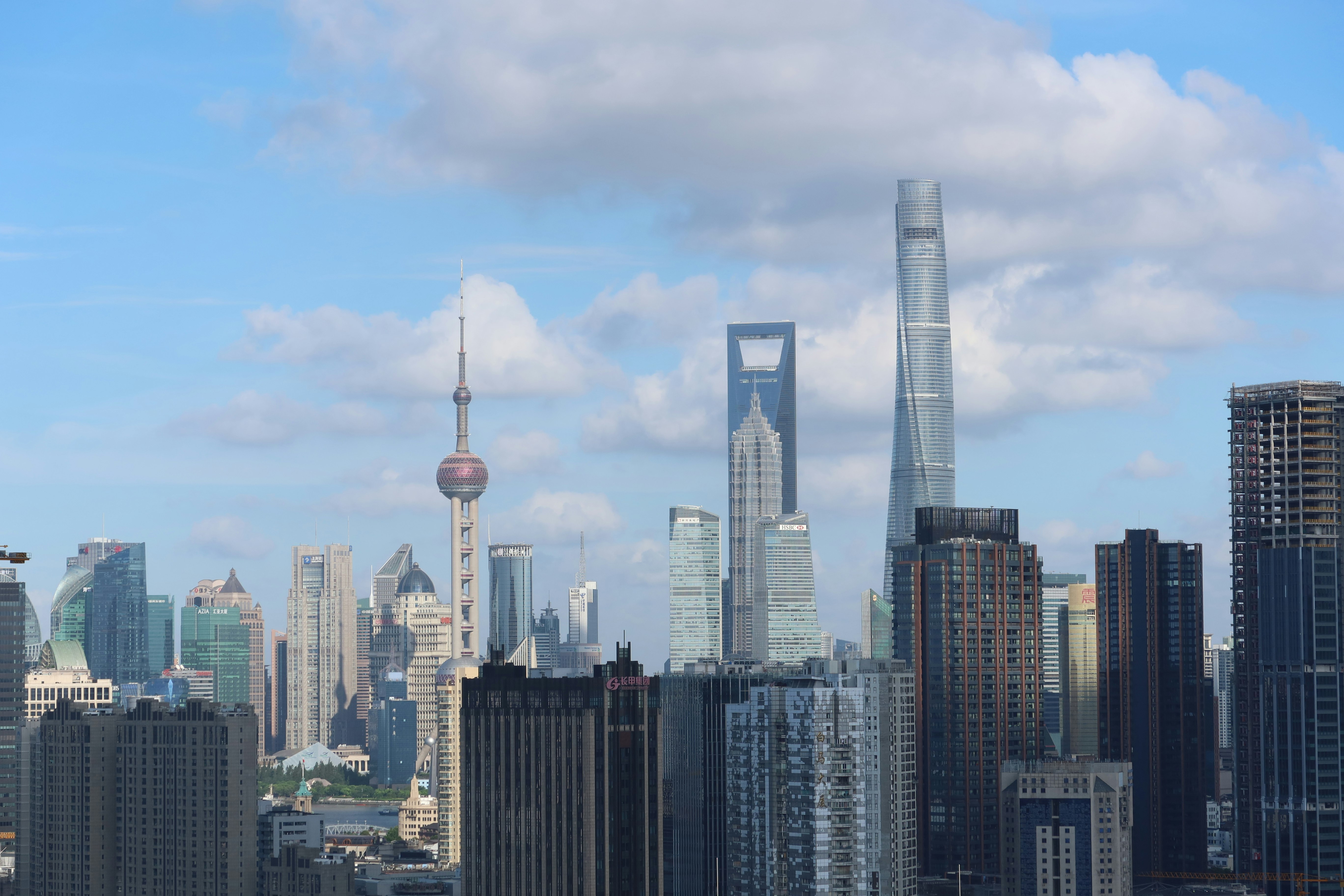
| Shanghai | 45 min by high-speed train | China's largest city, The Bund, Yu Garden, world-class dining and nightlife |
| Suzhou | 2 hours by high-speed train | Classical gardens, UNESCO canals, silk production, "Venice of the East" |
| Wuzhen Water Town | 1 hour by bus or taxi | Best-preserved water town in China, traditional architecture, silk workshops |
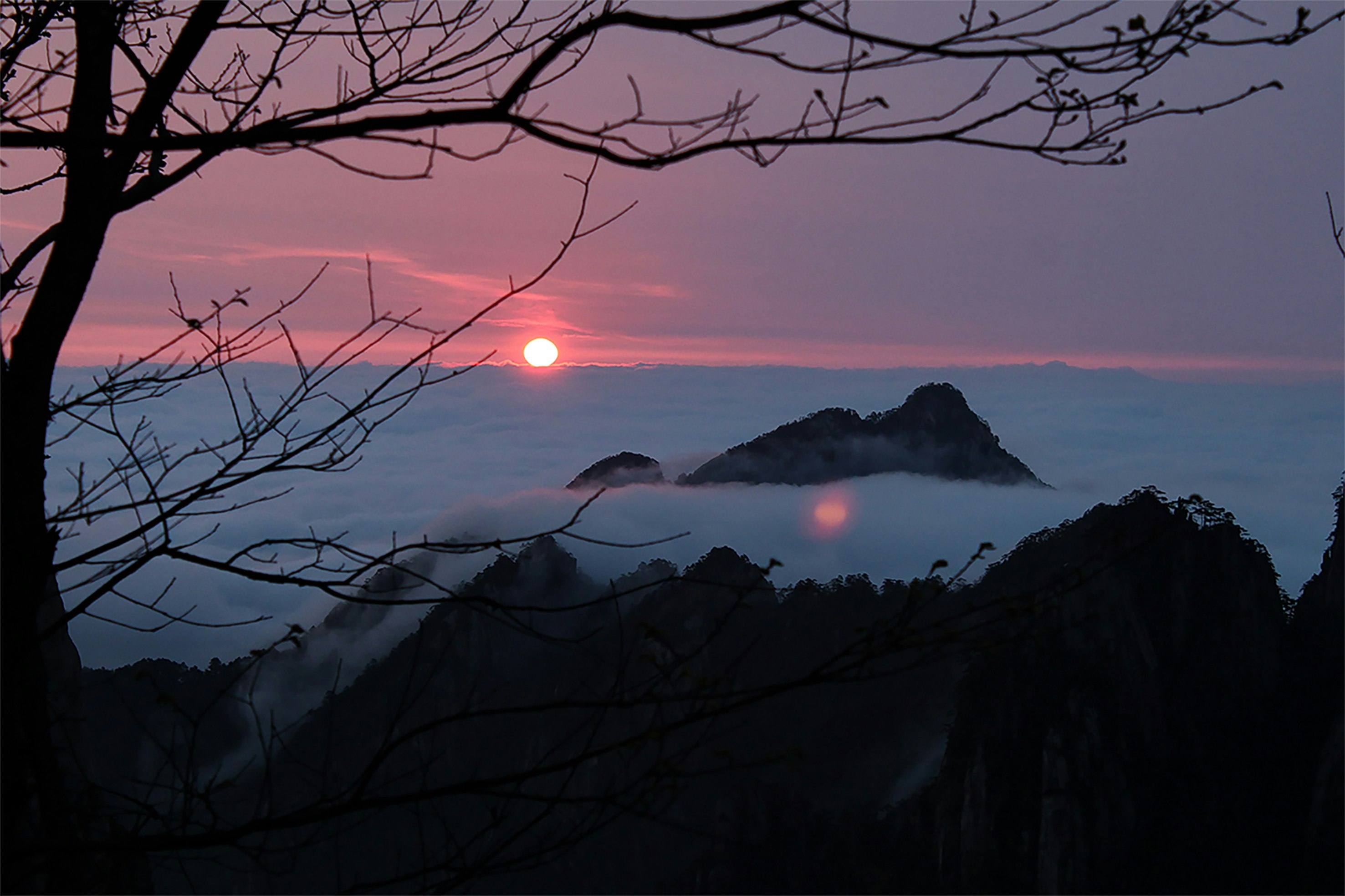
| Huangshan (Yellow Mountain) | 3 hours by high-speed train | UNESCO World Heritage, dramatic granite peaks, sunrise over a sea of clouds |
Have more questions about visiting Hangzhou? Check our FAQ section above or explore our other China travel guides.