Dunhuang Travel Guide
Overview
Dunhuang (敦煌) stands as one of China's most historically significant and visually stunning destinations—a legendary Silk Road oasis city in Gansu Province that served as the gateway to Central Asia for over 1,000 years. This remarkable city, covering approximately 45,000 square kilometers, sits at the edge of the Gobi Desert where the ancient Silk Road trade routes converged before continuing westward into Xinjiang and beyond.
The city's importance cannot be overstated. For millennia, Dunhuang was the critical junction where merchants, monks, diplomats, and soldiers passed through, creating a magnificent fusion of Chinese, Central Asian, Indian, and Persian cultures. This cultural crossroads gave birth to one of humanity's greatest artistic achievements—the Mogao Caves—and continues to captivate travelers with its otherworldly desert landscapes, particularly the famous Singing Sand Dunes and the miraculous Crescent Spring.
Today, Dunhuang offers an extraordinary journey through time, where ancient Buddhist grottoes, camel caravans, and sand dunes create scenes that feel transported from another era, yet remain remarkably accessible to modern travelers.
Top Attractions
Mogao Caves (莫高窟)
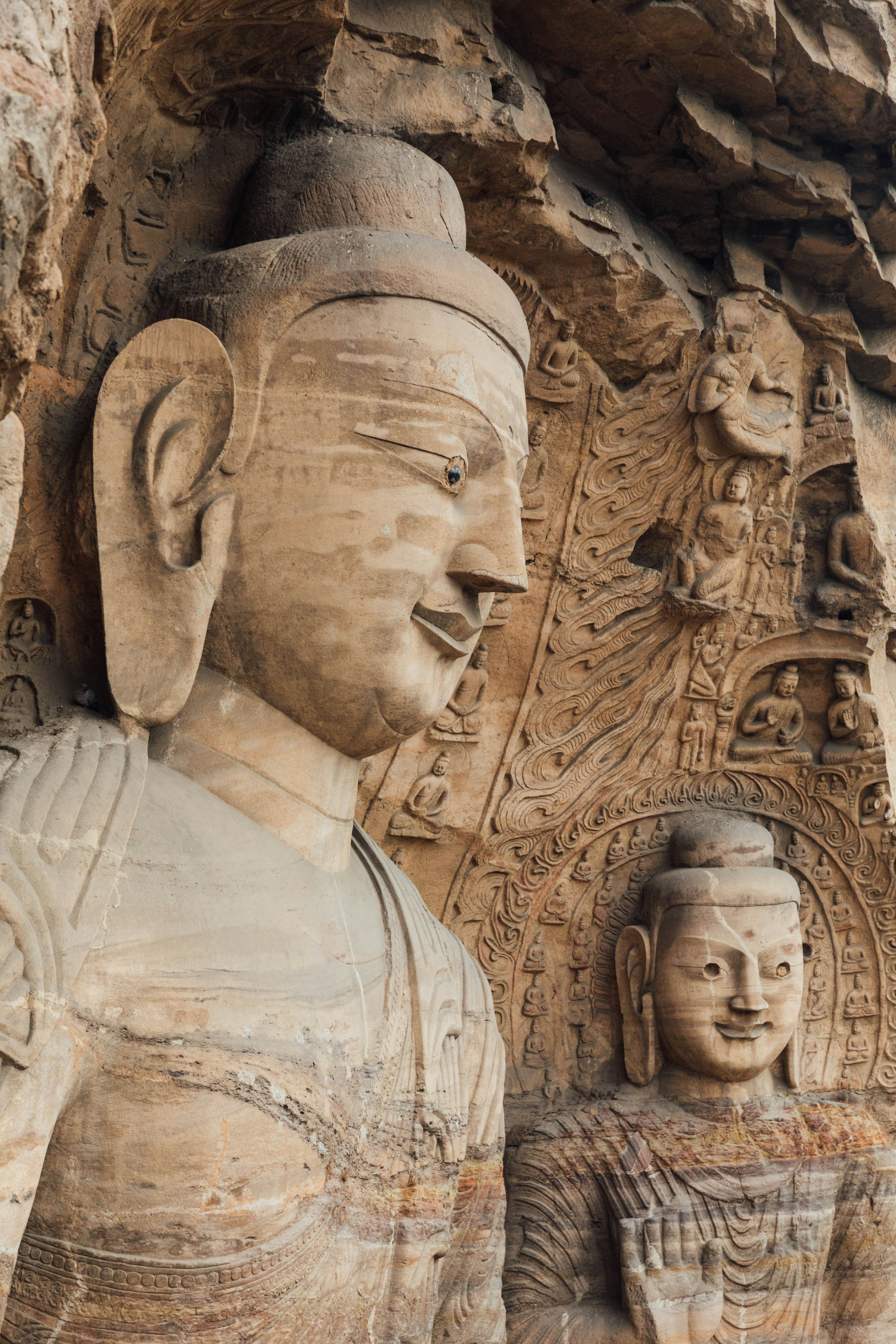
The Mogao Caves represent the pinnacle of Chinese Buddhist art and stand as one of the most significant cultural heritage sites in human history. This extraordinary UNESCO World Heritage Site comprises 492 caves carved into the cliffs of the Echoing Sand Mountain, housing approximately 45,000 square meters of vibrant murals and more than 2,000 painted statues.
History and Significance
The caves were first excavated in 366 CE during the Western Qin dynasty and continued to be expanded over a period of approximately 1,000 years. This makes them a living chronicle of Buddhist art evolution, from early simple figures to the elaborate, colorful masterpieces of the Tang Dynasty. The caves served as both religious sanctuaries and devotional spaces for Silk Road travelers seeking blessings for their dangerous journeys.
What to Expect
Visitors can explore a selection of approximately 40-60 caves (depending on your ticket type), each offering unique artistic treasures:
- Cave 96 (Hundred-Foot Buddha): The most iconic cave, featuring a massive 35.5-meter seated Buddha statue dating to the Tang Dynasty. The statue towers over visitors in an atmosphere thick with incense and reverence.
- Cave 45: Known for its exquisite Tang Dynasty sculptures depicting the Buddha and his disciples with remarkable realism and emotional depth.
- Cave 257 (The Story of the Deer): Features the famous "Nine-Color Deer" mural, one of the earliest narrative paintings in Chinese art.
- Cave 158: Houses a magnificent recumbent Buddha representing the Buddha's Nirvana, with expressive sculptures of mourners from various nations.
Practical Information
- Tickets: Must be booked well in advance—ideally one month ahead for peak season (May-October). Two ticket tiers exist: the standard ticket (¥238) includes access to 8 caves, while the premium ticket (¥300) provides access to more caves including special exhibitions.
- Location: Approximately 25 km south of Dunhuang city center
- Hours: 8:00 AM - 6:00 PM (April through October), 9:00 AM - 5:30 PM (November through March)
- Duration: Plan for 3-4 hours to fully appreciate the site
Insider Tip: Download the official Mogao Caves app before your visit for detailed information about each cave and virtual previews of the artwork.
Singing Sand Dunes and Crescent Spring (月牙泉)
Just 5 km south of downtown Dunhuang lies one of nature's most paradoxical miracles—the Singing Sand Dunes (Mingsha Shan) meeting the Crescent Spring. This extraordinary landscape features 500-meter-high sand dunes that produce an eerie singing sound when the wind blows, surrounding a crystal-clear spring shaped like a crescent moon.
The Singing Sand Phenomenon
The dunes earn their name from the distinctive hum or "singing" produced when sand grains shift and slide down the steep dune faces. This phenomenon, caused by the specific size and shape of the quartz sand grains, has been documented for centuries and remains a source of scientific intrigue and poetic inspiration.
Crescent Spring: The Desert Miracle
What makes this sight truly remarkable is the Crescent Spring—an oasis that has survived for thousands of years amid the shifting sands. The spring measures approximately 100 meters in length and 25 meters in width, with water so clear you can see the bottom. Remarkably, the spring has never been buried by the surrounding dunes, thanks to the unique wind patterns that push sand up and over rather than into the basin.
Activities Available
- Camel Rides: Experience the traditional Silk Road mode of transport with a 30-60 minute ride across the dunes (approximately ¥100)
- Sand Sliding: Rent a sandboard and glide down the dunes—a thrilling experience for all ages
- Dune Bashing: For adventure seekers, jeep tours offer heart-pounding rides up and down steep dune slopes
- Sunrise/Sunset Viewing: The dunes transform into rivers of gold during sunrise and sunset—prime photography conditions
Practical Information
- Admission: ¥110 (includes Crescent Spring access)
- Hours: 24 hours (recommended visit: sunrise or sunset)
- Location: 5 km south of Dunhuang city
Mingsha Sand Dunes (鸣沙山)
While technically part of the same dune system as the Singing Sand Dunes, the Mingsha Sand Dunes deserve separate mention for their dramatic, untouched landscape and cultural significance. These dunes have served as the filming location for numerous Chinese and international films, including the acclaimed "The Legend of the Red Stone" and various television dramas.
The dunes offer a more raw, adventurous experience compared to the tourist-friendly Crescent Spring area. Visitors can hike to the dune peaks for panoramic views of the desert oasis below, particularly spectacular during the "golden hour" of sunset when the entire landscape glows amber.
Dunhuang Museum (敦煌博物馆)
For those seeking deeper historical context, the Dunhuang Museum provides an excellent introduction to the region's rich past. This well-curated museum houses artifacts spanning from the Western Han Dynasty (206 BCE - 25 CE) through the Tang Dynasty (618-907 CE), offering insights into the Silk Road trade and cultural exchange.
Highlights Include
- Replicas of Mogao Caves murals and statues
- Silk Road trade goods including ceramics, textiles, and precious metals
- Ancient documents and manuscripts in multiple scripts
- Detailed dioramas of historical Dunhuang and the Silk Road
Practical Information
- Admission: Free
- Hours: 9:00 AM - 5:30 PM (Closed Mondays)
- Duration: 2-3 hours recommended
- Location: Dunhuang city center, near the old town
Shadow Puppet Show (皮影戏)
End your day in Dunhuang with a traditional Shadow Puppet Show, a beloved form of Chinese folk art that has been performed for over 1,000 years. These evening cultural performances bring to life ancient legends and Buddhist stories through intricately crafted leather puppets manipulated behind a backlit screen.
The shows typically run for 60-90 minutes and often include English subtitles or commentary for international visitors. Several restaurants and cultural centers in Dunhuang offer dinner-and-show packages, combining local cuisine with this mesmerizing art form.
Local Food
Dunhuang's cuisine reflects its position on the Silk Road, blending Chinese culinary traditions with Central Asian influences. The desert climate and caravan history have produced a distinctive food culture emphasizing hearty, energy-rich dishes perfect for travelers.
| Dish | Description | Approximate Price |
|---|---|---|
| Dunhuang Noodles (驴肉黄面) | The city's signature dish—tender donkey meat served over yellow wheat noodles with savory sauce. A unique local specialty that has been prepared for centuries. | ¥30-50 |
| Cold Dishes with Grape Vinegar | Refreshing appetizer plate featuring local vegetables dressed in Dunhuang's famous sweet grape vinegar, a regional specialty. | ¥20-35 |
| Cumin Lamb Skewers (羊肉串) | Tender lamb cubes marinated with cumin, chili, and garlic, grilled to perfection over open flames—a Silk Road classic. | ¥5-15 per skewer |
| Dunhuang Grapes | The region is famous for its vineyards—visit between August and October for the freshest, sweetest grapes you've ever tasted. | ¥10-20 per jin |
| Donkey Meat Hot Plate | A warming dish of thinly sliced donkey meat quickly stir-fried with vegetables and aromatic spices, served on a sizzling hot plate. | ¥40-60 |
| Hand-Pulled Noodles | Watch skilled chefs pull fresh noodles by hand, served in savory broth or with various toppings—a satisfying comfort food. | ¥15-30 |
Foodie Tip: Head to the Dunhuang Night Market (沙州夜市) in the city center for the widest variety of local foods and an authentic evening atmosphere. The market comes alive after sunset with dozens of food stalls offering everything from grilled meats to fresh fruit.
Best Time to Visit
| Season | Weather | Pros | Cons |
|---|---|---|---|
| Spring (April-May) | Pleasant 15-25°C (59-77°F), occasional sandstorms | Comfortable temperatures, fewer crowds than summer, wildflowers in bloom | Sandstorms possible, some attractions may have limited hours |
| Summer (June-August) | Hot 30-40°C (86-104°F), very dry | Long daylight hours, full access to all attractions, vibrant night markets | Extreme heat can be uncomfortable, peak tourist season, advance booking essential |
| Autumn (September-October) | Comfortable 15-25°C (59-77°F), low humidity | Most pleasant weather, beautiful autumn colors, harvest season with best grapes | Crowds during National Day holiday (early October), temperatures begin dropping |
| Winter (November-March) | Cold -10 to 10°C (14-50°F), occasional snow | Few tourists, lowest prices, unique snowy desert landscapes | Short daylight hours, some attractions have reduced access, very cold nights |
Recommended Visiting Window: May through October
The optimal time to visit Dunhuang is from May through October, with late September to mid-October offering the most comfortable conditions. Autumn brings clear skies, pleasant temperatures, and the famous grape harvest season. Summer, while popular, can be uncomfortably hot with temperatures reaching 40°C.
Getting There
By Air
Dunhuang Airport (DNH) is located approximately 13 km east of the city center. The airport has grown significantly in recent years, now offering direct flights to several major Chinese cities:
| Route | Duration | Frequency |
|---|---|---|
| Beijing | ~3 hours | Daily |
| Shanghai | ~4 hours | Daily |
| Xi'an | ~2 hours | Daily |
| Chengdu | ~2.5 hours | Daily |
| Lanzhou | ~1.5 hours | Multiple daily |
From the airport, taxis and airport shuttles are available to the city center (approximately ¥30-50, 20-30 minutes).
By Train
The Silk Road Railway connects Dunhuang to major cities along the ancient trade route:
- Lanzhou to Dunhuang: Approximately 12 hours (overnight recommended)
- Xi'an to Dunhuang: Approximately 16-20 hours (overnight sleeper services available)
The train station is located about 10 km from the city center, with taxis and buses readily available.
Travel Tip: For the most scenic approach, consider the train journey from Lanzhou, which passes through the dramatic landscapes of the Gobi and Taklamakan Deserts.
Getting Around
By Taxi
Taxis in Dunhuang are inexpensive and convenient. The city is relatively compact, with most attractions within 10-30 minutes of the center. Typical fares:
- City center to Mogao Caves: ¥40-60
- City center to Singing Sand Dunes: ¥20-30
- Airport/station to city center: ¥30-50
By Organized Tour
For the Mogao Caves, we strongly recommend booking an organized tour or hiring a guide. The caves' historical and artistic significance is difficult to appreciate without expert commentary. Tours typically include:
- Transportation to/from the caves
- Professional English-speaking guide
- Advance ticket booking (a significant advantage)
- Optional stops at related attractions
By Bike
Many visitors rent bicycles to explore the Singing Sand Dunes area and nearby attractions. Several hotels and rental shops in the city center offer daily rentals for approximately ¥30-50.
Practical Tips
Booking the Mogao Caves
- Book at least 1 month in advance during peak season (May-October)
- Book through the official website (www.mogaocave.com) or authorized travel agencies
- Consider the premium ticket (¥300) for access to more caves and special exhibitions
- Arrive early (8:00 AM) to avoid crowds and the hottest part of the day
Desert Preparation
- Bring sand goggles or sunglasses—wind-blown sand is common and can be painful
- Apply sunscreen liberally and reapply throughout the day
- Wear a hat and covering clothing to protect from the sun
- Bring water—the desert air is extremely dry
- Cover camera equipment when not in use to prevent sand damage
Photography
- Best times: Sunrise and sunset for the most dramatic desert photography
- Golden hour (approximately 1 hour before sunset) creates magical light on the dunes
- Tripod recommended for low-light photography at the caves
- Flash photography is prohibited inside the Mogao Caves
Combining with Other Destinations
Dunhuang fits perfectly into a broader Silk Road itinerary. Consider combining your visit with:
- Xi'an: 12 hours by train or 1 hour by flight—the classic Silk Road starting point
- Turpan: 4 hours by train—famous for its ancient ruins and desert vineyards
- Urumqi: 6 hours by train—the gateway to Xinjiang and further Central Asia
- Qinghai Lake: 8 hours by train—the stunning high-altitude lake on the Tibetan Plateau
Related Destinations
| Destination | Distance from Dunhuang | Travel Time | Highlights |
|---|---|---|---|
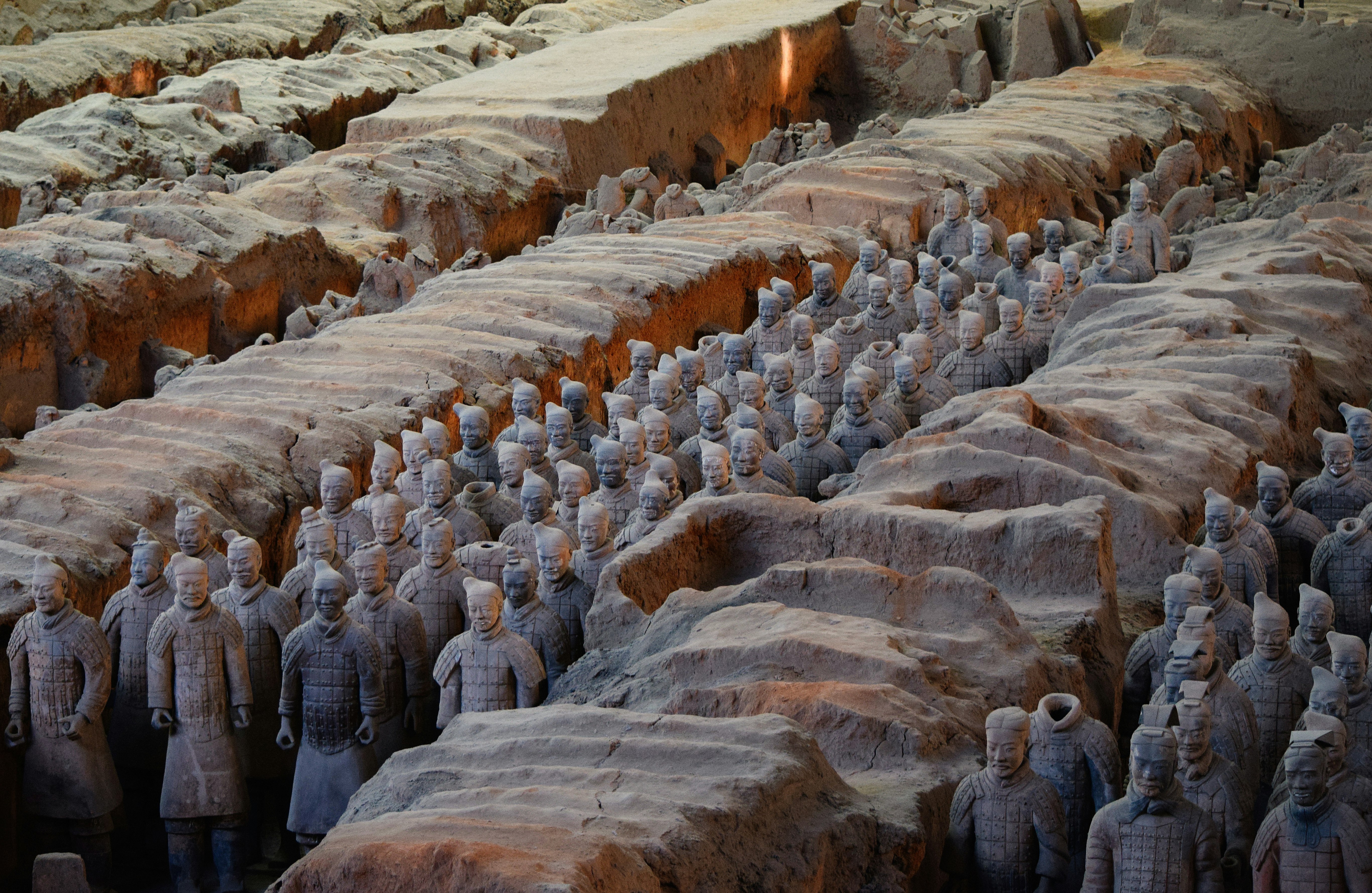
| Xi'an | ~1,200 km | 12h train / 1h flight | Terracotta Warriors, Great Wild Goose Pagoda, Muslim Quarter |
| Turpan | ~350 km | 4h train | Ancient Jiaohe ruins, Flaming Mountains, wine regions |
| Urumqi | ~900 km | 6h train | Heavenly Mountain, regional museum, Xinjiang cuisine |
| Qinghai Lake | ~700 km | 8h train | Sacred lake, Tibetan culture, high-altitude scenery |
Dunhuang offers an unforgettable journey into the heart of the ancient Silk Road, where 1,600 years of Buddhist art, dramatic desert landscapes, and living cultural traditions converge. Whether you're marveling at the painted caves, watching the sunset from a camelback, or simply soaking in the oasis atmosphere, this Gansu gem will leave you with memories to last a lifetime.