Datong Travel Guide
FAQ
What is Datong best known for?
Datong is best known as the ancient capital of Northern Wei dynasty, home to the magnificent Yungang Grottoes (a UNESCO World Heritage Site), the precarious Hanging Temple, and one of China's "Three Famous Ancient City Walls." It's also famous as the "Coal Capital of China" due to its extensive mining history.
How many days do I need in Datong?
A minimum of 2-3 days is recommended to explore Datong's main attractions. This allows time for the Yungang Grottoes, Hanging Temple, Nine Dragon Wall, Ancient City Wall, and Yingxian Wooden Pagoda without rushing.
Is Datong worth visiting?
Absolutely. Datong offers an extraordinary window into China's ancient Buddhist heritage and Northern Wei history. The Yungang Grottoes are among China's finest Buddhist cave temples, and the Hanging Temple is a marvel of engineering perched dramatically on a cliff face.
What is the best way to get to Datong?
Datong is well-connected by high-speed rail from Beijing (approximately 2 hours), Taiyuan (1.5 hours), and other major cities. The city also has an airport with domestic flights. High-speed rail is the most convenient option.
Is English spoken in Datong?
English is not widely spoken outside major hotels and tourist sites. It's advisable to have a translation app or learn basic Mandarin phrases. Hotel staff at international establishments can usually assist.
What should I wear when visiting the grottoes and temples?
Wear comfortable walking shoes as you'll be walking on uneven surfaces. Dress modestly when visiting religious sites. The caves can be cool even in summer, so bring a light jacket.
Overview
Located in northern Shanxi Province, Datong (大同) stands as one of China's most historically significant cities. Once the capital of the Northern Wei Dynasty (386-534 AD), this ancient city preserves an extraordinary collection of Buddhist art and architecture that spans over 1,500 years.
The city serves as a gateway to the rich cultural heritage of Shanxi, China's ancestral home to powerful merchant families and a cradle of Confucian learning. Datong's strategic position on the Ordos Desert edge made it a vital frontier garrison and cultural crossroads along the ancient Silk Road.
Beyond its ancient treasures, Datong is known as China's "Coal Capital" — the backbone of the nation's industrial revolution. This dual identity creates a fascinating juxtaposition where ancient Buddhist caves sit alongside modern mining infrastructure.
Today, Datong has invested heavily in tourism, meticulously restoring portions of its ancient city wall and developing the Yungang Grottoes area into a world-class museum complex. The city offers visitors an authentic glimpse into China's imperial past while maintaining the straightforward, unpretentious character of a working northern Chinese city.
Top Attractions
| Attraction | Type | Highlights | Opening Hours | Ticket Price |
|---|---|---|---|---|
| Yungang Grottoes | UNESCO World Heritage | 45 caves, 51,000 Buddhist statues, Northern Wei masterpieces | 08:30-17:30 (Apr-Oct), 08:30-17:00 (Nov-Mar) | ¥120 |
| Hanging Temple (Xuankong Temple) | Religious/Historical | Built into cliff face, 1,500 years old, 40 halls | 08:30-17:30 (Apr-Oct), 08:30-17:00 (Nov-Mar) | ¥125 |
| Datong Ancient City Wall | Historical | 7.24 km perimeter, Ming Dynasty era, panoramic views | 24 hours (some sections) | ¥30 (full circuit) |
| Nine Dragon Wall | Cultural Heritage | Nine dragons carved in relief, longest glazed wall in China | 08:00-18:00 | ¥30 |
| Yingxian Wooden Pagoda | Architectural | World's tallest wooden pagoda (67m), 1,000+ years old | 08:00-18:00 | ¥60 |
Yungang Grottoes (云冈石窟)
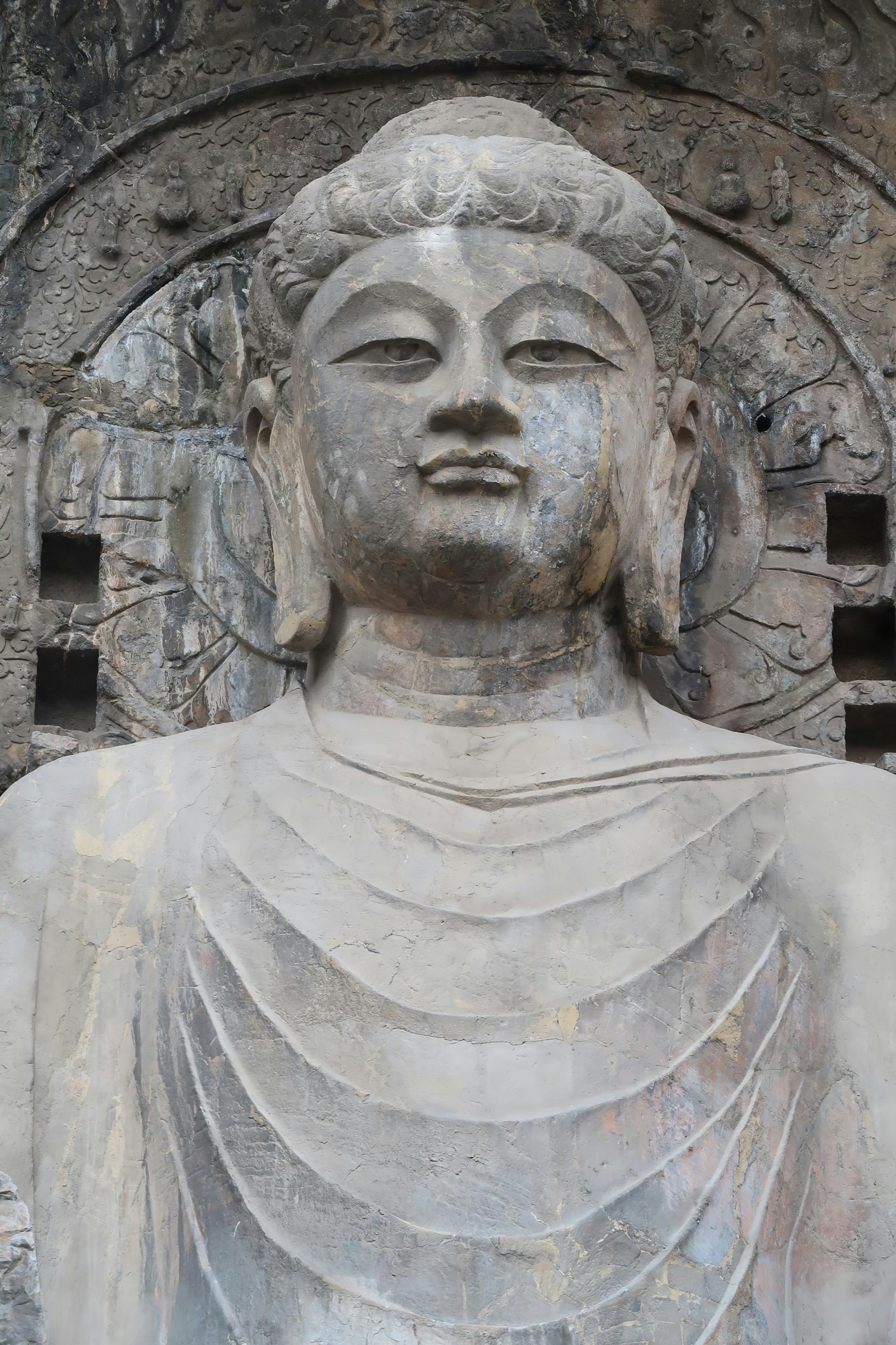
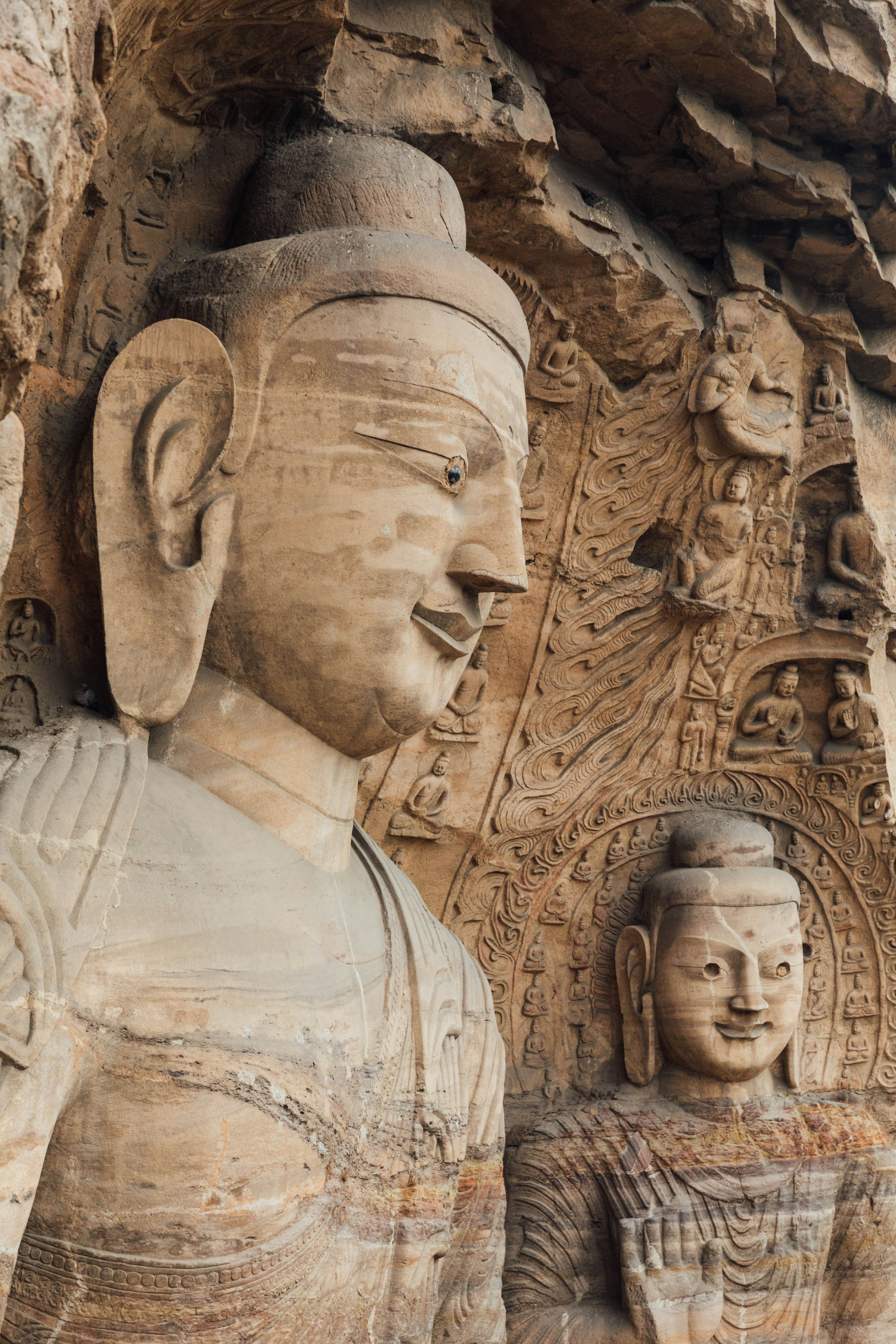
The Yungang Grottoes represent one of China's greatest artistic achievements and a UNESCO World Heritage Site. Carved between 460 and 525 AD during the Northern Wei Dynasty, these 45 caves contain over 51,000 Buddhist statues, ranging from a few centimeters to 17 meters in height.
The grottoes are divided into three eastern sections: the Early Caves (featuring massive Buddha statues), Middle Caves (known for elaborate carvings), and Western Caves (with the impressive 17-meter "Cloud Messenger" Buddha). The artistic style blends Indian Gandhara influences with Chinese aesthetics, creating a unique visual language.
Plan at least 2-3 hours here. The newly built museum at the entrance provides excellent context through English exhibits and replicas. Morning visits offer the best lighting for photographs inside the caves.
Hanging Temple (悬空寺)
Perched dramatically on a vertical cliff face 75 meters above the ground, the Hanging Temple (Xuankong Si) defies gravity and imagination. Built over 1,500 years ago, this architectural wonder combines Taoist, Buddhist, and Confucian elements in its 40 halls and pavilions.
The temple's secret lies in its clever engineering: horizontal planks embedded into the cliff, iron chains for support, and buildings that appear to float. Walking the narrow corridors and ascending steep staircases offers thrill-seekers and history buffs alike an unforgettable experience.
Arrive early (before 9 AM) to avoid crowds. The temple closes during thunderstorms for safety. Wear sturdy shoes and be prepared for heights — the experience is not for those afraid of heights.
Datong Ancient City Wall
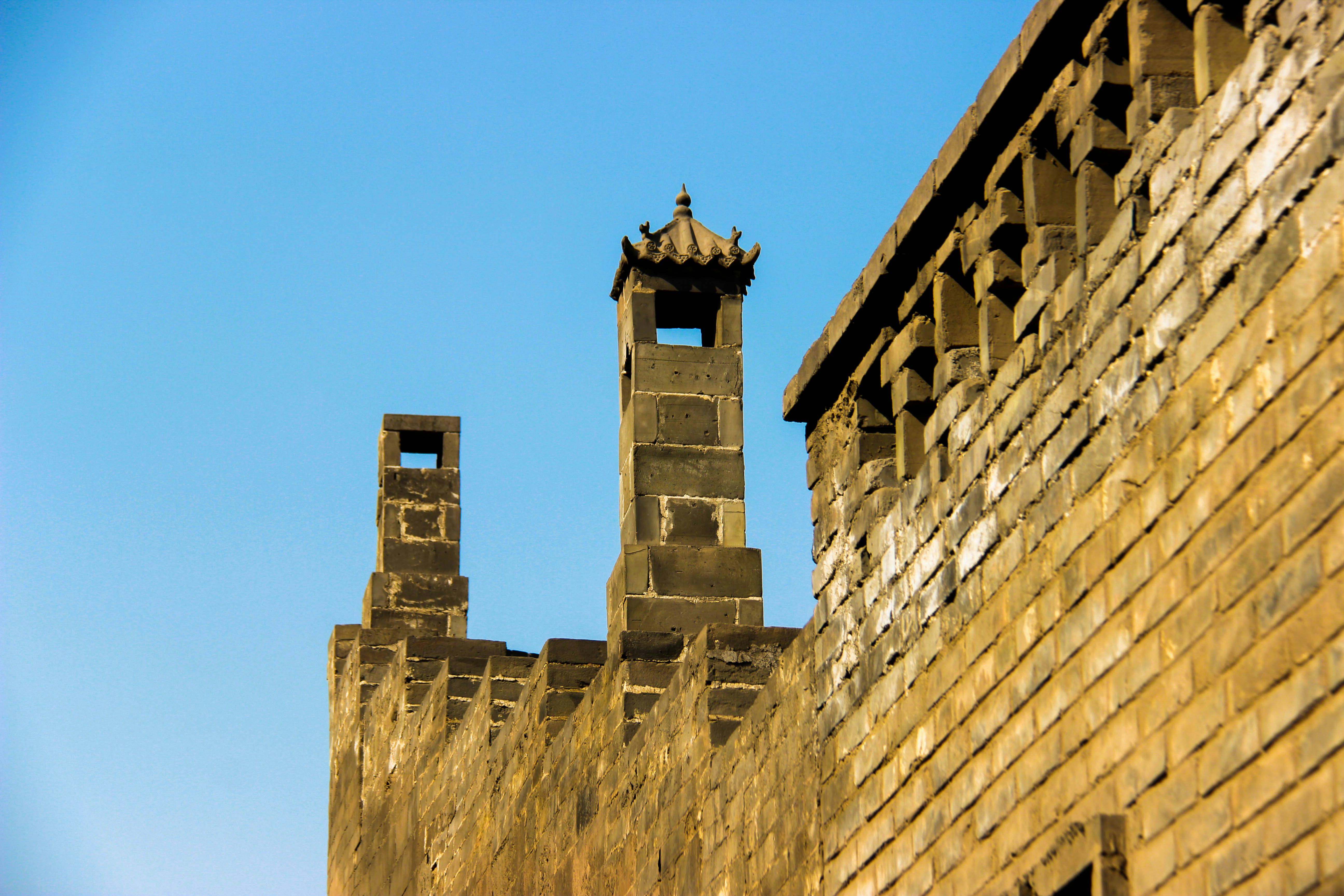
The Datong Ancient City Wall is one of China's "Three Famous Ancient City Walls" (along with Xi'an and Pingyao). Originally built during the Ming Dynasty (1372), the current wall was reconstructed and now encompasses a 7.24-kilometer perimeter.
You can walk or cycle the entire circuit along the wall's broad top, which offers panoramic views of the city and surrounding mountains. The four main gates — Yongning, Qingyuan, Yingxin, and Wengcheng — are particularly impressive, with restored watchtowers and gates.
For the best experience, visit at sunset to see the city transform as lights illuminate the walls and towers.
Nine Dragon Wall (九龙壁)
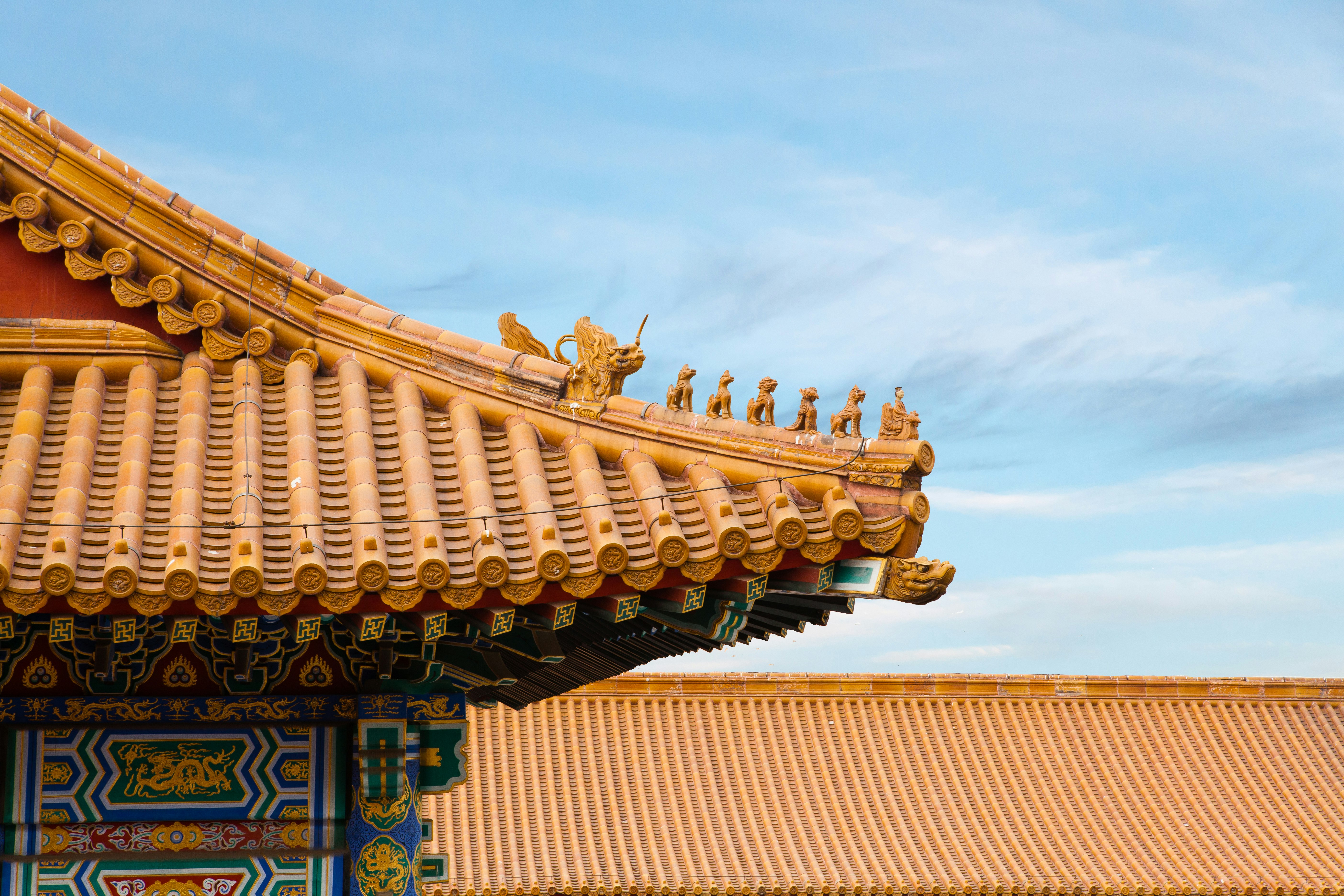
The Nine Dragon Wall in Datong is the longest and most complete glazed nine-dragon screen in China, measuring 45.5 meters long and 8 meters high. Built in 1392 during the Ming Dynasty, it served as a screen wall for the palace of Prince Zhu Zhanji.
Each of the nine dragons is depicted in a different pose, surrounded by waves, clouds, and mountains. The intricate craftsmanship of the colored glazed tiles is extraordinary, with colors remaining vibrant despite 600 years of exposure.
Located in the heart of the old town, the Nine Dragon Wall is best combined with a stroll through the nearby ancient streets.
Yingxian Wooden Pagoda (应县木塔)
Standing 67 meters tall, the Yingxian Wooden Pagoda is the world's tallest wooden pagoda and the only surviving example of an octagonal wooden pagoda from the Liao Dynasty (1056). Built without a single nail, it has survived earthquakes, wars, and storms for nearly 1,000 years.
The pagoda's five stories each feature intricate bracketing systems and Buddhist statues. Due to structural concerns, visitors can currently only enter the ground floor, but the exterior view is still breathtaking.
Located about 70 kilometers from Datong, this side trip takes 1.5-2 hours by bus or taxi. Combine with a visit to the nearby Yungang Grottoes for a full-day excursion.
Local Food
| Dish | Type | Description | Where to Try |
|---|---|---|---|
| Knife-cut Noodles (刀削面) | Noodles | Hand-cut noodles cooked in rich broth, a Shanxi staple | Any local noodle restaurant |
| Datong Style BBQ (大同烧烤) | Barbecue | Local specialty featuring lamb, vegetables, and unique spices | Night markets, BBQ streets |
| Fried Sesame Cakes (芝麻烧饼) | Snack | Crisp, flaky cakes with sesame seeds, perfect for on-the-go | Morning markets, street vendors |
| Suan Niang Jiaozi (酸娘饺子) | Dumplings | Tangy, sour dumpling filling unique to the Datong region | Family-run dumpling shops |
| Shanxi Vinegar (山西醋) | Condiment | World-famous aged vinegar, essential to local cuisine | Local supermarkets, dedicated shops |
Knife-cut Noodles (刀削面)
No visit to Datong is complete without trying daoxiao mian — knife-cut noodles. These thick, chewy noodles are sliced directly from a block of dough into boiling water, then served in savory broth with toppings like braised pork, vegetables, or tomato sauce.
The texture is unlike any other noodle — slightly thick and satisfying. Watch the chefs skillfully slice the dough in rhythmic motions — it's as much a performance as it is a meal.
Datong Style BBQ
Datong's barbecue culture is legendary in northern China. The local style features high-quality lamb, marinated vegetables, and unique spice blends that differ from other Chinese BBQ traditions.
Head to the night market areas for the most authentic experience. The atmosphere is lively, with vendors calling out their specials and tables packed with locals enjoying skewers and beer.
Shanxi Vinegar
Shanxi vinegar is one of China's "Four Famous Vinegars" and an essential ingredient in Datong's cuisine. Made from sorghum and barley through a meticulous fermentation process, it has a complex, mellow flavor that elevates any dish.
Visit dedicated vinegar shops to sample different aged varieties and purchase bottles to take home. The darker, more aged varieties are considered the finest.
Best Time to Visit
| Season | Weather | Pros | Cons |
|---|---|---|---|
| Spring (Apr-May) | Mild, 10-25°C | Pleasant temperatures, fewer crowds, flowers in bloom | Occasional sandstorms from Gobi Desert |
| Summer (Jun-Aug) | Warm, 25-35°C | Long days, full attractions open, festival season | Hot, crowded, peak tourist season |
| Autumn (Sep-Oct) | Cool, 10-25°C | Golden foliage, comfortable weather, harvest season | Can get crowded during National Day (Oct 1-7) |
| Winter (Nov-Mar) | Cold, -15 to 5°C | Empty attractions, lower prices, unique winter scenery | Very cold, some attractions may have reduced hours |
The best time to visit Datong is arguably late April to early June or September to October. These periods offer comfortable temperatures, minimal rainfall, and manageable tourist crowds.
Summer can be surprisingly hot (often above 30°C) but is convenient for families traveling during school breaks. Winter brings bitter cold but offers a unique, atmospheric experience with far fewer visitors — just bundle up and enjoy the empty grottoes.
Getting There
By High-Speed Rail
Datong's high-speed rail station (Datong Nan Railway Station) connects to major cities:
- From Beijing: ~2 hours (¥150-180)
- From Taiyuan: ~1.5 hours (¥70-90)
- From Hohhot: ~2 hours (¥100-120)
Trains depart frequently from Beijing's Beijing North Station and Beijing Fengtai Station. Booking in advance is recommended, especially during holidays.
By Air
Datong Yungang Airport (DAT) operates domestic flights to Beijing, Shanghai, Guangzhou, Xi'an, and other cities. The airport is about 15 kilometers from the city center; take a taxi (¥30-40) or bus (¥10) to reach downtown.
By Bus
Long-distance buses connect Datong to nearby cities and tourist sites. While cheaper than trains, they are slower and less comfortable. Bus stations include Datong Bus Station and Pingyao Bus Station for those coming from the south.
Getting There from Other Shanxi Destinations
- From Pingyao: 3-4 hours by bus or train
- From Taiyuan: 1.5-2 hours by train
- From Wutai Mountain: 2-3 hours by bus
Getting Around
By Taxi/ Ride-Hailing
Taxis and ride-hailing services (Didi, the Chinese Uber) are affordable and convenient in Datong. Most short trips within the city cost ¥10-25. For day trips to attractions like the Hanging Temple or Yungang Grottoes, hiring a taxi for the day (approximately ¥200-300) is often the most comfortable option.
By Bus
Public buses cover most tourist sites and are very cheap (¥1-2). However, routes can be confusing for non-Chinese speakers, and schedules are less reliable. Bus routes to major attractions include:
- Yungang Grottoes: Bus #3 or tourist bus line
- Hanging Temple: Tourist bus or bus #10
- Nine Dragon Wall: Walkable from city center
By Bicycle
Datong has a public bike-sharing system (Mobike, Ofo) with stations throughout the city. Cycling is a pleasant way to explore the flat city center and ancient walls. Rentals cost approximately ¥1-3 per 30 minutes.
Organized Tours
For the Hanging Temple and Yungang Grottoes, many visitors opt for organized day tours from Datong or Taiyuan. Tours include transportation, entrance tickets, and sometimes a guide. This is especially convenient for the Hanging Temple, which requires a 1.5-hour bus ride each way.
Practical Tips
Language
- English is not widely spoken outside tourist sites and international hotels
- Download a translation app like Pleco or Google Translate with offline Chinese pack
- Learn basic phrases: "Nǐ hǎo" (Hello), "Xièxiè" (Thank you), "Duōshǎo qián?" (How much?)
Money
- Cash is still widely used in smaller restaurants and shops
- WeChat Pay and Alipay are accepted almost everywhere
- Bring some cash for entrance tickets and small vendors
Connectivity
- Purchase a Chinese SIM card or e-SIM for reliable data
- WiFi is available at most hotels and restaurants
- A VPN is recommended to access Western apps and websites
Health
- Tap water is not potable; drink bottled or filtered water
- The Hanging Temple requires climbing many stairs — not recommended for those with mobility issues
- Bring sunscreen and a hat in summer
Etiquette
- Remove shoes when entering temples
- Ask permission before photographing local people
- Don't point feet at Buddha statues
- Accept business cards with both hands
Safety
- Datong is generally very safe for travelers
- Watch for pickpockets in crowded tourist areas
- Be cautious when crossing streets — traffic can be chaotic
Related Destinations
| Destination | Distance | Travel Time | Highlights |
|---|---|---|---|
| Pingyao Ancient City | 150 km | 3-4 hours | Best-preserved Ming Dynasty walled city, Shanxi merchants |
| Taiyuan | 280 km | 1.5-2 hours | Capital of Shanxi, Jinyuan, Shanxi Museum |
| Wutai Mountain (五台山) | 180 km | 2-3 hours | One of China's Four Sacred Buddhist Mountains |
| Yongji Pinghu Scenic Area | 200 km | 3 hours | Yellow River wetlands, Hukou Waterfall nearby |
| Beijing | 350 km | 2-3 hours | Great Wall, Forbidden City, capital city access |
Pingyao Ancient City
Just 150 kilometers south, Pingayao offers the best-preserved ancient city wall in China and a remarkably intact Ming Dynasty streetscape. Once the financial capital of China, it's now a UNESCO World Heritage Site where you can stay in converted courtyard mansions and walk through centuries of history.
Wutai Mountain
One of China's Four Sacred Buddhist Mountains, Wutai Shan features over 50 temples and is a major pilgrimage site. The mountain's five peaks represent the five directions, and its spiritual significance dates back over 1,500 years.
Taiyuan
The provincial capital serves as the main transportation hub and offers excellent museums, particularly the Shanxi Museum with its impressive collection of ancient artifacts. It's also the gateway to attractions throughout the province.
Datong remains one of China's most rewarding travel destinations — a place where ancient Buddhist art meets industrial heritage, and where the warmth of northern Chinese hospitality welcomes every visitor.