```
Beijing Travel Guide
Overview
Beijing stands as China's political heart and one of the world's great ancient capitals, having served as the imperial seat for over 800 years across multiple dynasties. Today, this metropolis of approximately 21 million residents seamlessly weaves together three millennia of imperial history with hyper-modern development, creating a destination that captivates history enthusiasts, culture seekers, and urban explorers alike. The city's flat terrain, laid out in distinctive concentric rings around the ancient core, makes navigation surprisingly intuitive for first-time visitors.
The grandeur of the Forbidden City remains the crown jewel of Beijing's imperial heritage, its 180 acres and 980 buildings having housed 24 emperors of the Ming and Qing dynasties. Beyond this architectural masterpiece, the Temple of Heaven showcases the spiritual dimension of imperial rule, where emperors annually prayed for bountiful harvests. The Great Wall of China, one of humanity's most extraordinary engineering achievements, lies just 60-120 kilometers from the city center, making it an achievable day trip that ranks among travel's most transformative experiences.
Modern Beijing offers equally compelling attractions—the vast Tiananmen Square, the beautifully preserved Summer Palace with its Kunming Lake, and the labyrinthine hutongs (traditional alleyways) that reveal authentic local life. The city pulses with contemporary energy through its thriving arts scene, world-class dining, and the endless spectacle of a capital racing into the future while honoring its past.
Top Attractions
The Forbidden City (Palace Museum)
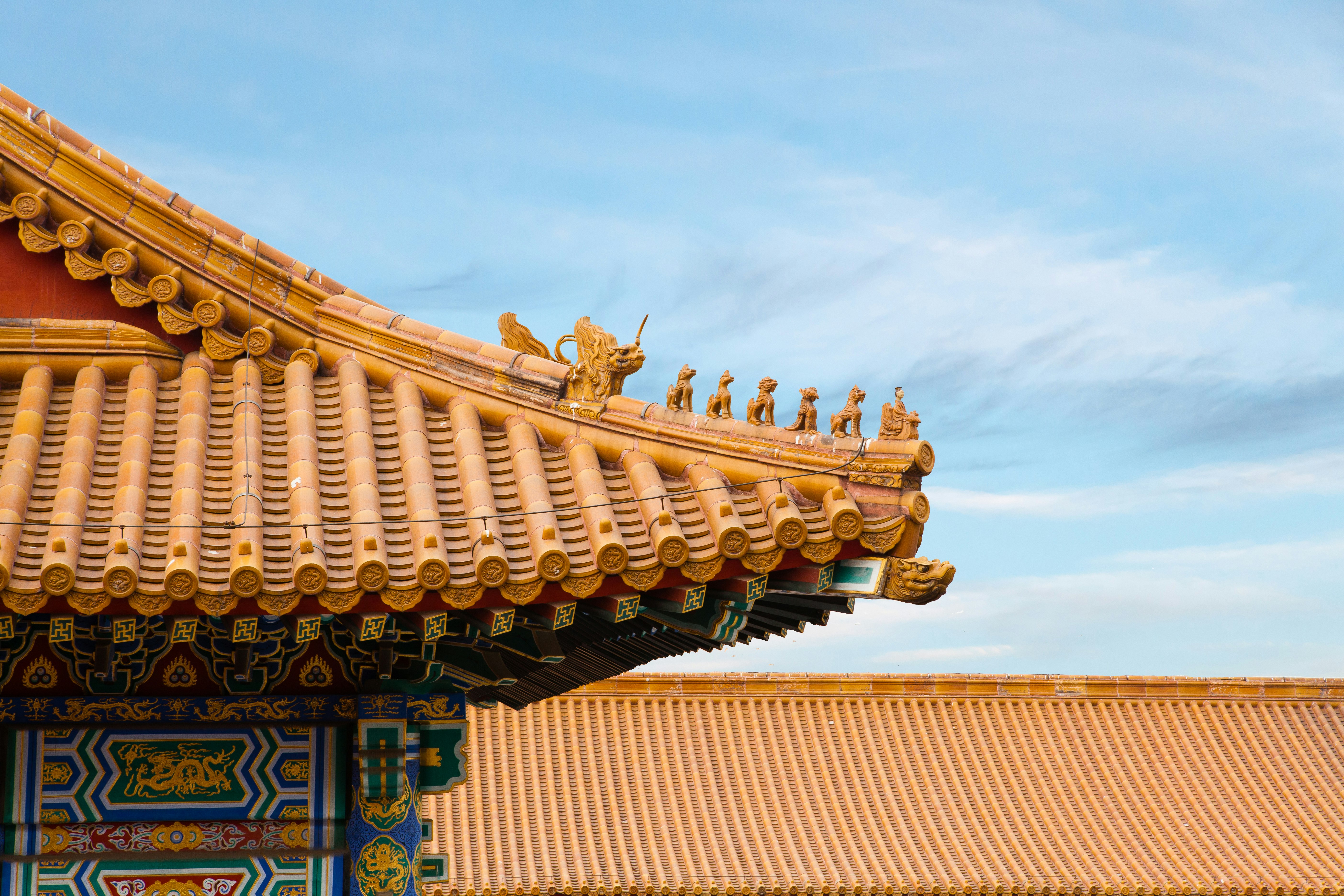
The Forbidden City (Zijin Cheng) represents the pinnacle of Chinese imperial architecture and remains the world's largest palace complex, covering 180 acres with 980 surviving buildings. For 492 years (1420-1912), this fortified enclave served as the exclusive domain of Chinese emperors, their families, and court officials—commoners were forbidden from entering, hence the name. Today, the Palace Museum houses over 1.8 million art treasures and welcomes millions of visitors annually who come to walk the same marble pathways once reserved for emperors.
Begin your visit through the imposing Meridian Gate (Wu Men), the main southern entrance, then follow the central axis through the Hall of Supreme Harmony (Tai He Dian), where coronations and major state ceremonies took place. The throne room's massive bronze cauldrons and golden dragon throne exemplify imperial power. Plan at least three hours to explore both the central axis and the less crowded eastern and western palaces, which house exhibitions on imperial life, ceramics, and calligraphy. The northern exit leads directly to Jingshan Park, offering spectacular panoramic views of the entire complex.
Practical information: Open daily 8:30 AM – 5:00 PM (extended to 5:30 PM in summer). Admission: 60 RMB (off-peak), 80 RMB (peak season, April-October). Tickets must be booked online in advance through the official Palace Museum website or mini-program. Audio guides available for 20 RMB.
The Great Wall of China
The Great Wall represents humanity's most ambitious architectural undertaking, stretching over 21,000 kilometers across northern China over two millennia. While no single section captures the wall's full extent, several accessible sections near Beijing offer unforgettable experiences ranging from heavily restored tourist-friendly stretches to wild, unrestored segments for adventurous hikers.
| Section | Character | Best For | Distance from Beijing | Admission |
|---|---|---|---|---|
| Badaling | Heavily restored, wide pathways, cable cars | First-time visitors, accessibility | ~70 km | 40-65 RMB |
| Mutianyu | Well-restored, fewer crowds, toboggan ride | Families, scenic views | ~90 km | 40-65 RMB |
| Jinshanling | Partially restored, popular for hiking | Hikers, photography | ~130 km | 40-65 RMB |
| Simatai | Original unrestored sections, night tours | Adventurers, Great Wall purists | ~120 km | 70-150 RMB |
Badaling offers the most convenient access and comprehensive facilities, making it ideal for those with limited time or mobility concerns. Mutianyu provides a more pleasant experience with excellent restoration, scenic mountain views, and a thrilling toboggan ride down the mountain. Jinshanling attracts photographers and hikers seeking a balance between restored and wild wall, while Simatai offers the most authentic experience with original Ming Dynasty battlements and unique night tours when the wall is illuminated.
Temple of Heaven
The Temple of Heaven (Tian Tan) served as the sacred space where emperors of the Ming and Qing dynasties conducted elaborate ceremonies to pray for good harvests and divine guidance. This UNESCO World Heritage site, completed in 1420, represents the pinnacle of Chinese religious architecture through its symbolic design—the square earth and circular heaven philosophy manifested in every structure.
The complex's centerpiece, the Circular Hall of Prayer for Good Harvests (Qiu Tan Dian), stands atop a three-tiered marble terrace, its triple-gabled roof reaching 38 meters heavenward without a single nail. The Hall of Imperial Supplications (Huang Qiong Yu) features remarkable acoustic properties—whisper at one end and be heard clearly at the other. Surrounding the main halls, the vast 273-hectare park comes alive at dawn with hundreds of locals practicing tai chi, dancing, and playing traditional instruments.
Practical information: Open daily 6:00 AM – 10:00 PM (park), main halls 8:00 AM – 6:00 PM. Admission: 15 RMB (park only), 34 RMB (full access). Best visited early morning to witness local cultural activities.
Tiananmen Square
Tiananmen Square occupies the symbolic heart of modern China, spanning 440,000 square meters as the world's largest public urban plaza. This immense space has witnessed pivotal moments in Chinese history, from the founding of the People's Republic in 1949 to countless national celebrations. The square is surrounded by monumental architecture: the Chairman Mao Memorial Hall to the south, the Great Hall of the People to the west, the National Museum of China to the north, and the Gate of Heavenly Peace (Tiananmen) leading to the Forbidden City.
The daily flag-raising ceremony at sunrise draws crowds who come to witness this precisely choreographed spectacle. Arrive 30 minutes early to secure a good viewing position near the flagpole. The Mao Zedong Portrait adorns the gate above the main entrance to the Forbidden City, becoming particularly photogenic during the blue-sky autumn days.
Practical information: Open 24 hours. Free admission. Security checks required. The Mao Mausoleum (open Tuesday-Sunday 8:00 AM-12:00 PM, free) houses Mao's preserved body and draws long lines.
Summer Palace
The Summer Palace (Yi He Yuan) served as the imperial summer retreat for Qing dynasty emperors, evolving over centuries into the magnificent park that now showcases the finest examples of Chinese garden architecture. Spanning 290 hectares, the palace complex centers on Kunming Lake, a man-made reservoir created in the 18th century, dotted with bridges, islands, and pavilions connected by elegant walkways.
The Long Corridor stretches 728 meters, making it the longest covered corridor in the world, its beams decorated with over 14,000 paintings depicting Chinese history, mythology, and landscape scenes. The Marble Boat (Fang Bo), a peculiar structure with a stone hull and wooden superstructure, symbolizes the emperor's attempt to weather political storms. The peaceful Kunming Lake invites boat rides (20 RMB) offering perspectives unavailable from shore, while the hilltop Tower of Buddhist Incense provides panoramic views of the entire palace grounds.
Practical information: Open daily 6:30 AM – 6:00 PM (summer), 7:00 AM – 5:00 PM (winter). Admission: 20 RMB (park), 60 RMB (includes all attractions). Take Metro Line 4 to Beigongmen or Xiyuan station.
Hutongs and Houhai
Beijing's hutongs—narrow alleyways formed by lines of traditional courtyard residences (siheyuan)—represent the city's authentic historical fabric, rapidly disappearing amid modernization but preserved in several neighborhoods. These atmospheric labyrinths offer glimpses into traditional Beijing life, with elders playing chess, families enjoying meals in courtyard homes, and small shops selling local delicacies.
The Houhai area (North Sea) provides the most accessible hutong experience, surrounding a scenic lake with bars, restaurants, and nightlife. Rent a bicycle to explore the maze of alleys branching from here, or book a rickshaw tour (approximately 100-200 RMB per hour) for guided commentary on historical sites and local stories. The area comes alive in the evening when lanterns illuminate traditional courtyard homes and bars fill with locals and tourists alike. Particularly interesting hutongs include Baochao, Fangjia, and Guozijian streets, each offering distinctive architectural character and local flavor.
Local Food
Beijing's culinary tradition reflects its imperial heritage and geographic position as China's northern gateway, emphasizing hearty noodles, slow-roasted meats, and wheat-based dishes that sustained generations of court officials and commoners alike. The city's food scene ranges from street food stalls serving time-honored recipes to elegant restaurants reimagining classic dishes for modern palates.
| Dish | Description | Where to Try |
|---|---|---|
| Peking Duck (Beijing Kao Ya) | Iconic dish featuring crispy-skinned duck, thin pancakes, scallion, cucumber, and sweet bean sauce | Bianyifung, Quanjude, Da Dong |
| Jianbing (Chinese Crepe) | Savory street food crepe with egg, crispy wonton skin, scallions, and various fillings | Morning markets, street vendors |
| Zhajiangmian | Hand-pulled noodles topped with fermented soybean sauce, vegetables, and minced pork | Da Zha Lan, local noodle shops |
| Mongolian Hotpot | communal pot with simmering broth, fresh meats, vegetables, and dipping sauces | Haidilao, Little Sheep |
| Liangpi (Cold Skin Noodles) | Refreshing chilled noodles with sesame sauce, cucumber, and bean sprouts | Hu La Tang, street vendors |
| Peking Fried Lamb | Tender lamb slices wok-fried with scallions and cumin, a Muslim-influenced classic | Muslim Quarter restaurants |
For the ultimate Peking Duck experience, head to Quanjude (established 1864) for the traditional presentation or Da Dong for a more contemporary approach with thinner, crispier skin. Jianbing makes for an excellent breakfast—seek out morning markets or street vendors where the cooking is done on large circular iron pans. The Wangfujing and Guijie areas offer excellent food street experiences, while Sanlitun's "Designer Bar Street" provides international dining options.
Best Time to Visit
Beijing experiences distinct four seasons, each offering dramatically different experiences and challenges for travelers. Autumn (September-November) generally ranks as the optimal time to visit, while spring brings the famous "yellow dust" storms and winter can see bitter cold and pollution.
| Season | Avg. Temperature | Pros | Cons |
|---|---|---|---|
| Spring (Mar-May) | 10-25°C (50-77°F) | Cherry blossoms, comfortable temps, Tomb-Sweeping Festival | Yellow dust storms, high pollution, crowded |
| Summer (Jun-Aug) | 25-35°C (77-95°F) | Long days, vibrant nightlife, water attractions | Extreme heat, heavy crowds, rain season |
| Autumn (Sep-Nov) | 10-25°C (50-77°F) | Clear skies, stunning fall foliage, comfortable temps | Crowds during National Day (Oct 1-7), variable |
| Winter (Dec-Feb) | -10-5°C (14-41°F) | Empty attractions, ice festivals, lowest prices | Bitter cold, short days, pollution spikes |
Autumn delivers Beijing at its finest—clear blue skies, comfortable temperatures, and the golden canopy of ginkgo trees transforming the city. The Mid-Autumn Festival (September/October) offers cultural experiences, though National Day Week brings massive crowds. Winter appeals to budget travelers and those seeking atmospheric shots of snow-dusted imperial architecture, though air pollution can be significant and outdoor exploration uncomfortable. Avoid spring if possible due to the yellow dust (huang sha) from Mongolian deserts, which can ground flights and create unhealthy air quality.
Getting There
By Air
Beijing is served by two major airports: Beijing Capital International Airport (PEK) and Beijing Daxing International Airport (PKX).
Beijing Capital International Airport (PEK) remains the primary hub, located 32 kilometers northeast of the city center. Terminal 3, one of the world's largest airport terminals, handles most international arrivals. The Airport Express (25 RMB) connects to Dongzhimen Station on Metro Line 2 in approximately 25 minutes. Taxis to central Beijing cost approximately 100-150 RMB depending on traffic and destination. Official taxis queue at designated stands outside arrivals.
Beijing Daxing International Airport (PKX), opened in 2019, serves as the newer hub located 46 kilometers south of the city. Designed by Zaha Hadid, the stunning terminal resembles a phoenix spreading its wings. The Daxing Airport Express (10-25 RMB) connects to Caoheqiao Station (Line 10/19) in 20 minutes. PKX handles many domestic flights and select international routes, particularly those operated by Chinese airlines.
By High-Speed Rail
Beijing's extensive high-speed rail network connects the city to virtually all major Chinese destinations. The Beijing South Railway Station (Beijing Nan) serves routes to Shanghai (4.5 hours), Hangzhou (5 hours), and southern destinations. Beijing Railway Station and Beijing West Railway Station offer additional routes, including overnight sleeper services to destinations across China.
Advance booking is essential during Chinese holidays. Use the 12306 official app (in Chinese) or the English-friendly Trip.com to book tickets. Stations are connected to the metro network, making city center access straightforward.
Getting Around
Beijing Metro
The Beijing Metro stands as one of the world's largest and busiest subway systems, with 27 lines covering virtually every corner of the city. Trains run from approximately 5:00 AM to 11:00 PM, with intervals of 2-5 minutes during peak hours. The system is remarkably efficient, clean, and the most reliable way to navigate the city.
Fares are distance-based, ranging from 3-9 RMB. Purchase a Yikatong交通卡 (transportation card) at any station for convenient tap-and-go access—you can load value at service counters or machines and use it on metro, buses, and even some taxis. For short visits, single-journey tickets are available at machines (accepts cash and some mobile payment). English signage is common at major tourist stations.
Taxis and Didi
Taxis (marked with yellow/green signs) are abundant and inexpensive by Western standards. Base fare starts at 13 RMB for the first 3 kilometers, then 2.3 RMB per additional kilometer. Most drivers speak limited English; have your destination written in Chinese characters or use a translation app. Insist on the meter (yao biao) rather than negotiating a fixed price.
Didi (China's Uber equivalent) offers a convenient English-language app interface. Select "Didi Express" for standard taxis or "Didi Premier" for higher-end vehicles. Link a foreign credit card through the in-app payment system to avoid cash transactions. Didi is particularly useful for reaching attractions not near metro stations, like the Great Wall or Summer Palace.
Practical Tips
Advance Booking is Essential. The Forbidden City requires online ticket reservations (available 7 days in advance), and peak season tickets sell out quickly. Book Great Wall tour operators or transportation in advance during national holidays. The Palace Museum, Summer Palace, and Temple of Heaven all offer timed entry slots—arrive within your allocated window.
Witness the Flag Ceremony. The daily flag-raising at Tiananmen Square (sunrise, approximately 5:30-7:00 AM depending on season) draws crowds but offers a memorable experience. Arrive by 5:00 AM to secure a front position. The ceremony lasts about 7 minutes and is followed by the lowering ceremony at sunset.
Get a SIM Card. While Beijing has excellent Wi-Fi coverage, having a local SIM card ensures navigation access and communication. Purchase an eSIM through Airalo before arrival or a physical SIM at the airport (look for China Mobile, China Unicom, or China Telecom counters in arrivals). Expect to pay 100-200 RMB for a tourist-friendly package with 10-20GB data.
Download Offline Maps. Google Maps functions poorly in China. Download Maps.me or 百度地图 (Baidu Maps) with offline maps before arriving. Baidu Maps offers excellent English support, real-time bus/metro information, and walking navigation through complex areas like hutongs.
Bring Cash and Payment Apps. While mobile payment (WeChat Pay, Alipay) dominates daily transactions, some smaller establishments, tips, and emergency situations require cash. Bring 500-1000 RMB in cash and download WeChat Pay, linking it to a foreign credit card where possible.
Related Destinations
- Chengde Travel Guide — Mountain retreat with the magnificent Mountain Resort and surrounding Buddhist temples
- Xitang Travel Guide — Ancient water town in Jiangsu Province with traditional canals and bridges