```
Aershan (Arxan) Travel Guide
Aershan (阿尔山; Ā'ěrshān), also known as Arxan, is a hidden gem nestled in the western slopes of the Greater Khingan Range in eastern Inner Mongolia. This enchanting destination offers a unique blend of volcanic landscapes, pristine forests, rolling grasslands, and therapeutic hot springs—earning it the moniker "Switzerland of Inner Mongolia." Whether you're seeking adventure in nature, cultural immersion in Mongolian heritage, or simply a peaceful retreat from city life, Aershan delivers an unforgettable experience.
FAQ
What is Aershan famous for?
Aershan is renowned for its volcanic geological formations, including the Arxan Volcanic Group—one of the best-preserved volcanic clusters in China. It's also famous for its natural hot springs, autumn foliage (particularly in September-October), and location at the transition between forest and prairie ecosystems.
How do you pronounce Aershan?
Aershan is pronounced "AR-shan" (approximately). The Chinese name 阿尔山 (Ā'ěrshān) literally means "A Er Mountain," named after the nearby Mount A'er.
Is Aershan worth visiting?
Absolutely. Aershan offers a rare combination of volcanic landscapes, dense forests, ethnic Mongolian culture, and natural hot springs. It's less crowded than major Chinese tourist destinations, making it ideal for those seeking authentic natural beauty.
How many days do you need in Aershan?
A minimum of 2-3 days is recommended to explore the main attractions. For a more relaxed experience with hiking and hot spring soaking, 4-5 days is ideal.
What is the best way to reach Aershan?
The most convenient way is by train to Aershan City (阿尔山站), which has direct connections from major cities like Beijing, Hohhot, and Harbin. Alternatively, you can fly into Yichun or Hailar and then travel by bus or train.
Are there hot springs in Aershan?
Yes! Aershan is famous for its natural hot springs. The Aershan Hot Springs (阿尔山温泉) are located about 2.5 km from the city center and offer various pools with different therapeutic properties.
Overview
Aershan sits at an elevation of 1,200-1,400 meters above sea level, creating a cool climate even during summer months. The region covers approximately 7,400 square kilometers and is characterized by its diverse topography: volcanic plateaus, alpine meadows, dense coniferous forests, and marshlands.
The area's volcanic history is evident in its unique geological features—crater lakes, basalt columns, volcanic slag mounds, and mineral-rich hot springs that have attracted visitors for centuries. The Arxan Volcanic Group, dating back approximately 200 million years to the Mesozoic Era, represents one of the most well-preserved volcanic clusters in eastern China.
Beyond its natural wonders, Aershan holds significant cultural importance as a region where Mongolian, Daur, and Oroqen ethnic groups have lived for generations. The nearby Hulunbuir Prairie represents one of China's largest and most authentic grasslands.
Key Facts at a Glance
| Attribute | Details |
|---|---|
| Location | Eastern Inner Mongolia Autonomous Region, China |
| Coordinates | 47.1775° N, 119.9456° E |
| Elevation | 1,200-1,400 meters |
| Area | ~7,400 km² |
| Population | ~68,000 |
| Climate | Cool continental monsoon |
| Best Season | May-October (autumn peak) |
| Nearest Airport | Aershan Yalu Airport |
Top Attractions
Aershan and its surrounding region offer diverse attractions from volcanic formations to ethnic cultural experiences. Here are the five must-visit destinations:
| Attraction | Type | Highlights | Recommended Visit Time |
|---|---|---|---|
| Arxan Volcanic Group | Volcanic Landscape | Crater lakes, basalt columns, volcanic slag fields, Tianchi (Heavenly Lake) | Half to full day |
| Hulunbuir Prairie | Grassland | Endless rolling grass, Mongolian nomad culture, horse riding, traditional ger camps | 1-2 days |
| Aershan National Forest Park | Nature Reserve | Primeval forest,杜鹃湖 (Rhododendron Lake), 三潭峡 (Three Pools Gorge), hiking trails | 1-2 days |
| Sino-Mongolia Border | Border Region | Frontier landscapes, border trading, ethnic minority villages, Stolot International Trade | Half day |
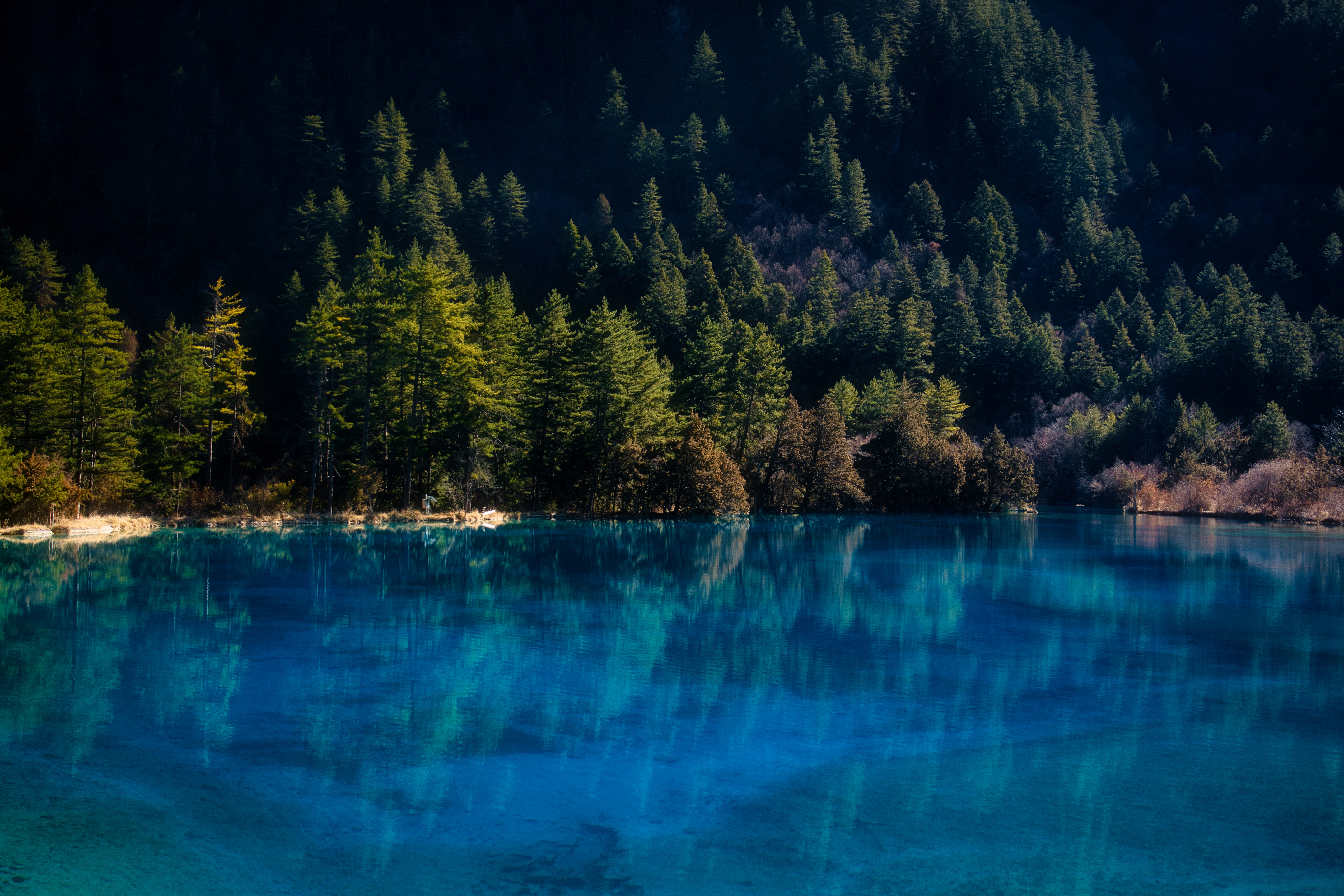
| Five-Stone Lake | Lake & Wetland | Volcanic crater lake, scenic boardwalks, bird watching, mirror-like reflections | Half day |
Arxan Volcanic Group (阿尔山火山群)
The Arxan Volcanic Group is the crown jewel of the region, comprising over 50 volcanic cones, crater lakes, and volcanic geological formations spread across the Greater Khingan Range. The most notable include:
- Tianchi (Heavenly Lake) - A stunning crater lake at 1,300 meters elevation, known for its crystal-clear waters and surrounding volcanic backdrop
- Dichi (Earth Lake) - Another crater lake with unique geological features
- Basalt Column Cliff - Natural hexagonal basalt columns formed from ancient lava cooling
- Volcanic Slag Fields - Black volcanic rock landscapes that create a surreal moonscape appearance
The area offers hiking trails of varying difficulty, with the most popular route connecting several volcanic formations.
Hulunbuir Prairie (呼伦贝尔草原)
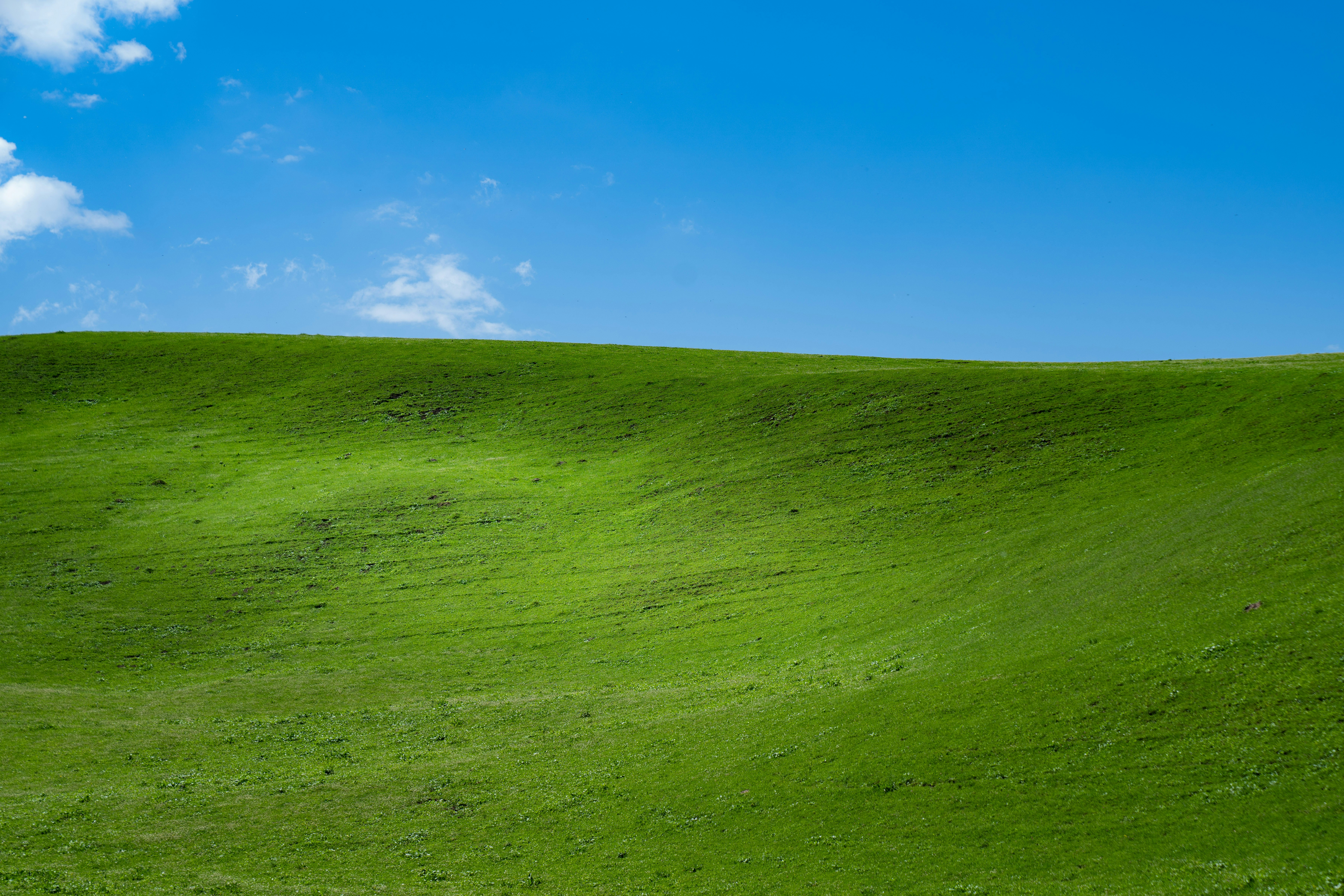
Just a short drive from Aershan lies the magnificent Hulunbuir Prairie—one of the largest and most beautiful grasslands in China. This vast sea of green (or gold in autumn) stretches as far as the eye can see and offers an authentic glimpse into traditional Mongolian nomadic life.
Highlights:
- Witness traditional horse racing, archery, and wrestling competitions
- Stay in authentic Mongolian gers (yurts)
- Experience horseback riding across the open plains
- Visit nomadic families and learn about their sustainable pastoral lifestyle
- Enjoy traditional Mongolian hospitality with milk tea and roasted lamb
Aershan National Forest Park (阿尔山国家森林公园)
This 103,149-hectare forest park showcases the natural diversity of the Greater Khingan Range. The park features pristine coniferous forests, crystal-clear lakes, gorges, and wetlands.
Must-visit sites within the park:
- Rhododendron Lake (杜鹃湖) - Named after the rhododendron flowers that bloom around its shores in spring
- Three Pools Gorge (三潭峡) - A scenic gorge with three natural pools connected by rushing streams
- Daxiao Qingshan (大小兴安岭) - The meeting point of the Greater and Lesser Khingan Ranges
- Primeval forest hiking trails with observation decks
Sino-Mongolia Border
The border region offers a unique opportunity to experience China's frontier culture. The Stolot International Trade Border Crossing (阿尔山-松贝尔口岸) allows limited cross-border travel and trade.
Experiences:
- Visit the border trading market
- Explore ethnic Daur and Oroqen villages
- Photograph the scenic border landscapes
- Learn about the area's frontier history
Five-Stone Lake (五大连池)
Despite the name, Five-Stone Lake actually refers to a cluster of five interconnected volcanic crater lakes formed during the same volcanic activity that created the Arxan Volcanic Group. The lakes are known for:
- Mirror-like reflections of the surrounding forest and sky
- Abundant wildlife and waterfowl
- Scenic boardwalk trails around the lakes
- The unique geological formations of volcanic rock surrounding the water
Local Food
Aershan's cuisine reflects its location at the intersection of Mongolian, Manchu, and Chinese culinary traditions. The region is known for hearty, meat-heavy dishes perfect for the cool climate, as well as unique forest specialties.
| Dish | Type | Description |
|---|---|---|
| Roasted Whole Lamb (烤全羊) | Specialty | A traditional Mongolian feast dish—whole lamb roasted on an open spit with herbs and spices, served with dipping sauces and flatbread |
| Mongolian Hotpot (蒙古火锅) | Hotpot | Regional variation of hotpot featuring thin-sliced lamb, wild mushrooms, and local vegetables in a savory broth |
| Milk Tea (奶茶) | Beverage | Traditional Mongolian salty milk tea, made with fermented mare's milk (or cow's milk), tea leaves, and salt |
| Dried Beef (牛肉干) | Snack/Preserved | Air-dried beef strips, seasoned and dried for preservation—protein-rich and perfect for travel |
| Wild Mushroom (山野蘑菇) | Vegetable | Foraged mushrooms from the Greater Khingan forests, often served stir-fried or in soups |
Culinary Tips
- Restaurant recommendations: Look for establishments in Aershan City center and near tourist attractions. Many family-run restaurants offer authentic Mongolian and Northeastern Chinese cuisine.
- Dietary restrictions: Vegetarian options are limited in this meat-loving region. Consider bringing some snacks if you have specific dietary needs.
- Food safety: The hot springs area has several restaurants; otherwise, stick to established eateries in town.
Best Time to Visit
Aershan offers distinct experiences across all four seasons, each with its own unique charm:
| Season | Months | Weather | Highlights | Travel Tips |
|---|---|---|---|---|
| Spring | April-May | Cool (5-15°C), occasional rain | Rhododendron blooms, melting snow creating waterfalls, fewer tourists | Bring layers; some attractions may have limited access due to snow melt |
| Summer | June-August | Pleasant (15-28°C), occasional thunderstorms | Lush green forests, best for hiking, warm weather for hot springs | Peak season for Chinese tourists; book accommodations in advance; bring rain gear |
| Autumn | September-October | Cool (5-20°C), crisp and clear | Peak season—stunning fall foliage (golden larch, red maple), photography paradise | Most crowded but most beautiful; book early; bring warm layers for mornings/evenings |
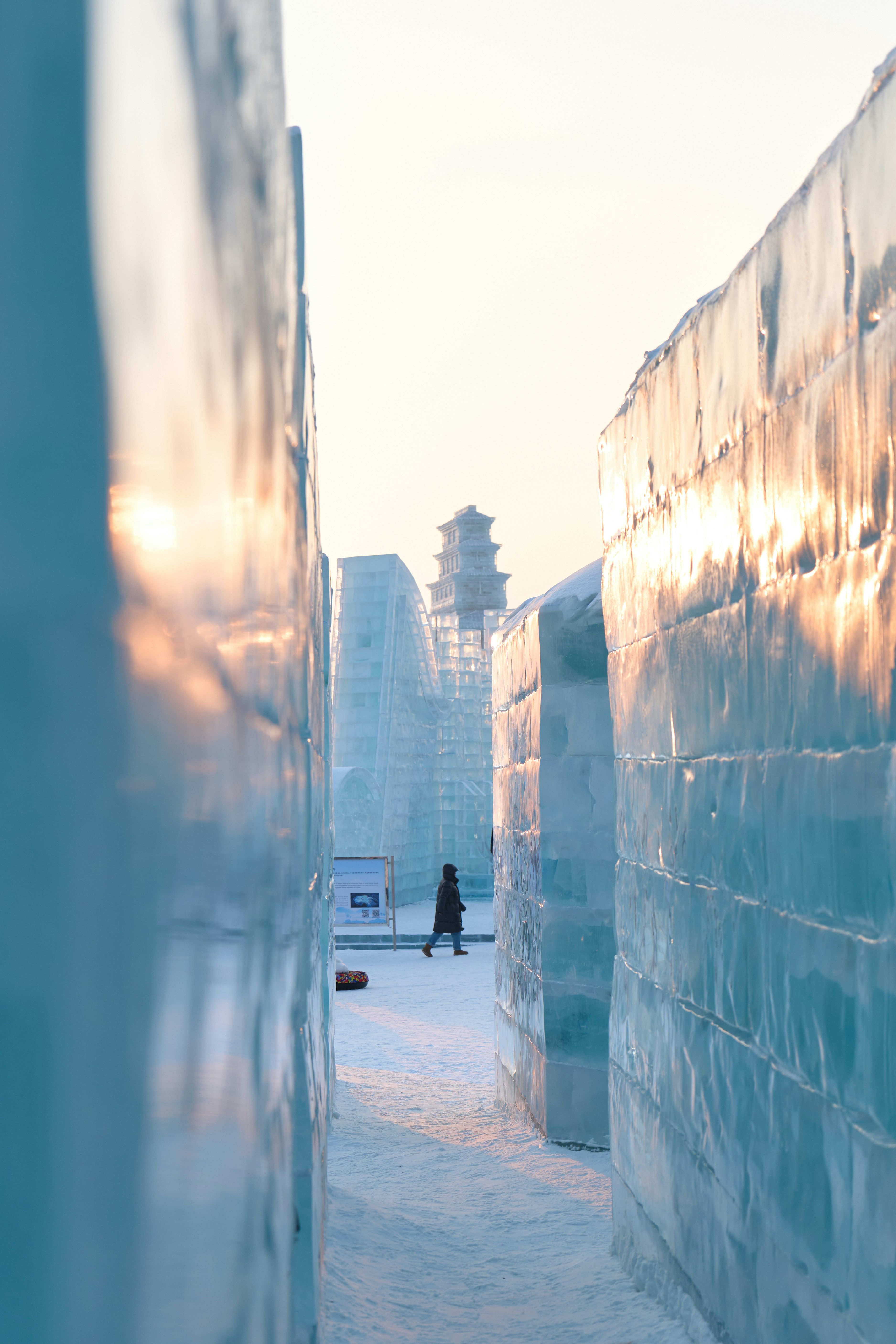
| Winter | November-March | Cold (-30 to -10°C), heavy snow | Frozen landscapes, ice and snow festivals, hot springs in snow | For adventurous travelers only; many attractions closed; extreme cold requires proper gear |
Recommended Visit Window
Late September to early October is widely considered the best time to visit Aershan. The autumn foliage reaches its peak, painting the forests in brilliant shades of gold, orange, and red. The weather is comfortable, and the contrast between the colorful forests and dark volcanic rocks creates photographer's paradise conditions.
Getting There
By Train
The most popular and convenient way to reach Aershan is by train. Aershan railway station (阿尔山站) connects to several major cities:
| Route | Duration | Notes |
|---|---|---|
| From Beijing | ~14-16 hours | Direct overnight train available |
| From Hohhot | ~12-14 hours | Multiple daily departures |
| From Harbin | ~10-12 hours | Convenient connection from northeastern China |
| From Tongliao | ~8-10 hours | Popular transit point |
Tip: Book hard sleeper (硬卧) or soft sleeper (软卧) tickets in advance, especially during peak season (National Day holiday and autumn weekends).
By Air
Aershan Yalu Airport (阿尔山伊尔施机场) serves the region with flights to:
The airport is located about 20 km from Aershan City. Taxis and airport shuttles are available.
By Bus
Long-distance buses connect Aershan to nearby cities, though schedules are less frequent than trains:
- From Hailar (海拉尔): ~4-5 hours
- From Ulanhot (乌兰浩特): ~3-4 hours
- From Hulunbuir: ~5-6 hours
Getting Around
Within Aershan City
- Taxis: Readily available in the city center. Negotiate or ensure the meter is used for trips to attractions.
- Rickshaws: Traditional three-wheeled rickshaws are available for short trips around town.
To Attractions
| Option | Pros | Cons |
|---|---|---|
| Tour Bus | Affordable, convenient, guided | Fixed schedule, less flexibility |
| Private Car/Taxi | Flexible, door-to-door | More expensive (negotiate in advance) |
| Rental Car | Complete independence | Requires international driving permit; roads can be challenging |
| Motorbike | Adventurous, flexible | Not recommended for beginners; safety concerns |
Organized Tours
Many visitors opt for organized day tours from Aershan City, which typically include transportation to major attractions like the Forest Park and Volcanic Group. This is especially convenient for those with limited time.
Practical Tips
Packing Essentials
- Clothing: Layered clothing is essential—temperatures vary significantly between day and night. Bring a warm jacket even in summer.
- Footwear: Comfortable hiking shoes with good traction
- Sun protection: Sunscreen, sunglasses, and a hat (high altitude = stronger sun)
- Insect repellent: Summer months can have mosquitoes and other insects
- Rain gear: Quick-dry layers and a waterproof jacket
Health & Safety
- Hot springs: Don't stay in hot spring pools for too long; take breaks and stay hydrated
- Altitude: Aershan's elevation can cause mild altitude sickness for some—take it easy on your first day
- Wildlife: Bear sightings are rare but possible in remote areas; make noise while hiking and store food properly
- Medical facilities: Basic medical facilities are available in Aershan City; bring any necessary medications
Communication
- Language: Mandarin Chinese is spoken everywhere. English is limited outside tourist areas.
- Mobile coverage: Good coverage in most areas; 4G is available
- Wi-Fi: Available in most hotels and restaurants in the city
Money & Payments
- Cash: Bring sufficient cash as ATMs can be limited outside the city
- Mobile payment: WeChat Pay and Alipay are widely accepted in tourist areas
- Credit cards: Not widely accepted outside hotels
Cultural Etiquette
- Photography: Always ask permission before photographing local people, especially in ethnic minority villages
- Tipping: Not customary in this region
- Environmental responsibility: Pack out all trash; stay on marked trails to protect the fragile volcanic and forest ecosystems
Opening Hours & Tickets
- Most attractions open at 8:00 AM and close at 5:30 PM
- Tickets for Aershan National Forest Park can be purchased online or at the entrance
- Some attractions offer combined tickets for better value
Related Destinations
If you're visiting Aershan, consider extending your trip to explore these nearby destinations:
| Destination | Distance from Aershan | Highlights |
|---|---|---|
| Hulunbuir | ~200 km | Vast grassland, ethnic culture, horse riding |
| Ergun | ~300 km | Wetlands, Russian-influenced border town |
| Zhalantun | ~150 km | Mongolian culture, horse racing festivals |
| Manzhouli | ~400 km | Sino-Russian border, Russian architecture, shopping |
| Ulan Hot | ~250 km | Historic Mongolian city, hot springs |
| Greater Khingan Range | Adjacent | Primeval forests, wildlife, hiking trails |
This travel guide was last updated in April 2026. Operating hours, prices, and accessibility may change seasonally. Please verify current information before your trip.